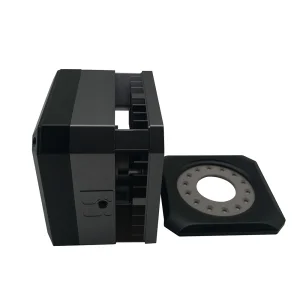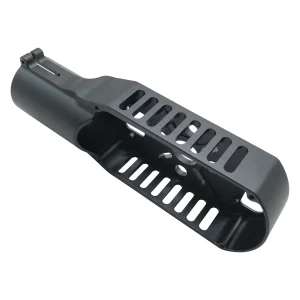
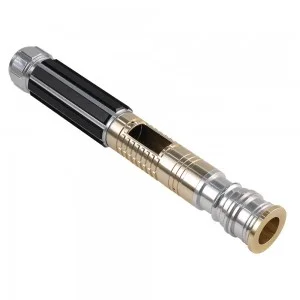
Global OEMs demand highly robust procurement strategies. Sourcing replacement parts from factories equipped with 5-axis centers minimizes logistical disruptions and reduces single-point-of-failure vulnerabilities in high-velocity assembly lines.
Unscheduled machine downtime costs heavy industry millions. By leveraging high-tolerance spare parts engineered exactly to OEM specifications, production facilities can schedule preventive retrofits, extending structural lifespan.
Procurement teams navigate complex cost-to-performance metrics. Standardized precision manufacturing offers affordable yet micro-tolerant components that comply with global industrial specifications, optimizing operational overhead.
In modern industrial landscapes, CNC machinery acts as the backbone of high-volume and high-precision production. The reliability of this infrastructure hinges entirely on the quality of its components. Global enterprises are shifting away from low-cost, unverified spare parts towards strategically aligned manufacturing partners capable of delivering certified, high-tolerance components. This tactical pivot is driven by the imperative to avoid downtime, manage global supply chains under shifting tariff regimes, and maintain the absolute integrity of production lines. Our manufacturing ecosystem integrates high-end machinery with deep material expertise to meet these stringent requirements.
Shenzhen Xiang Xin Yu Technology Co., Ltd. is a premier manufacturing enterprise specializing in high-tolerance CNC machining. Backed by years of industrial expertise and cutting-edge engineering capabilities, we address the rigorous manufacturing demands of international corporate clients.
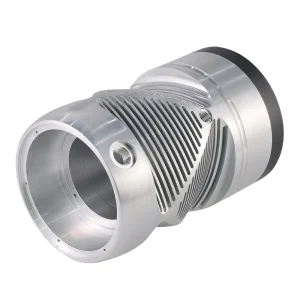
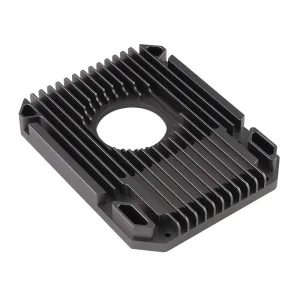
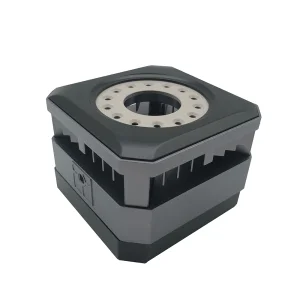
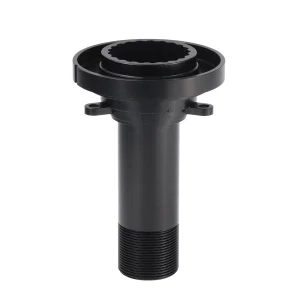
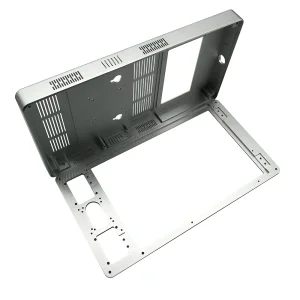
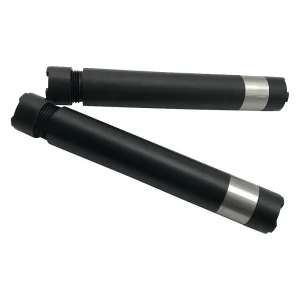
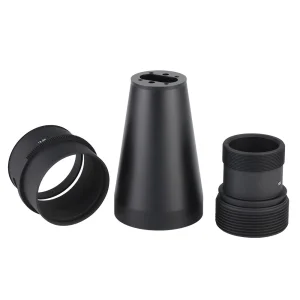
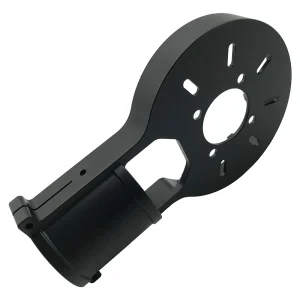
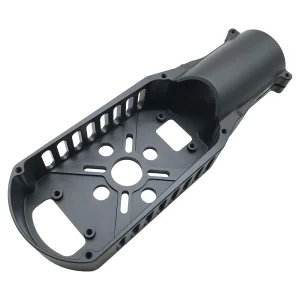
Our facility features an array of high-precision multi-axis CNC machining centers, automated turn-mill lines, and ultra-accurate quality control machinery. We process custom components across multiple sectors, producing high-reliability components for aerospace systems, critical medical devices, automotive drivetrains, and consumer tech hardware.
With an emphasis on rapid prototyping, raw material traceability, and geometric accuracy, we deliver tailored solutions from initial blueprint rendering through to full-scale batch production. Our engineering teams systematically optimize manufacturing layouts, ensuring our products comply with demanding industry benchmarks.
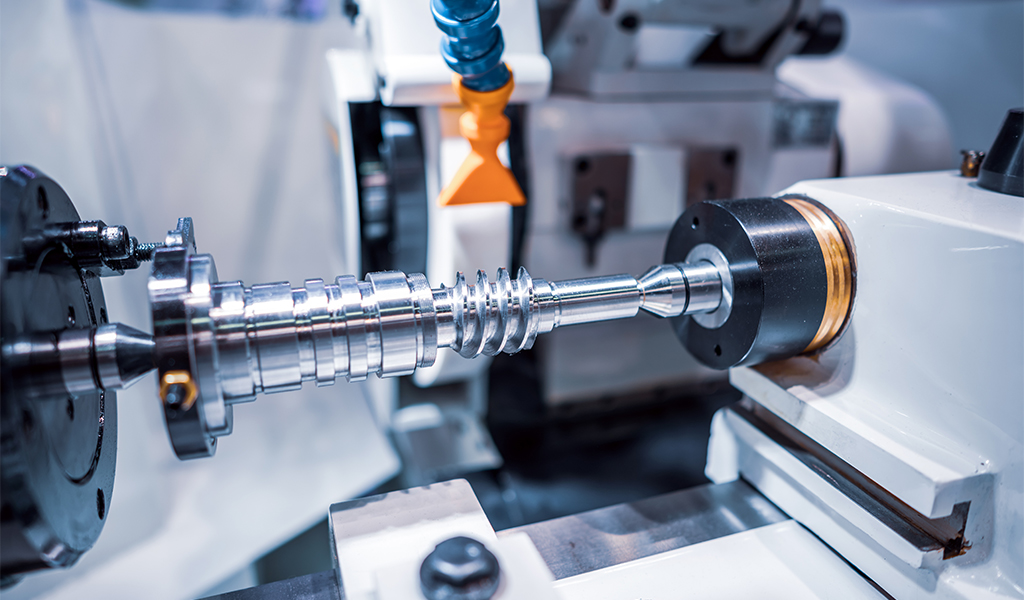
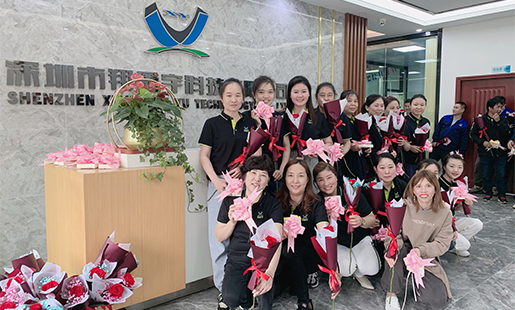
We actively encourage our teams to pioneer novel machining trajectories and implement advanced CAM layouts. This drive minimizes cycle times and improves execution accuracy for complex geometries.
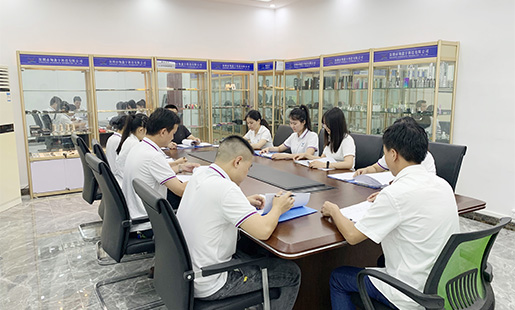
Our production protocols are structured around achieving zero defects. By integrating in-line measurement systems and automated tools, we ensure structural integrity across every component.
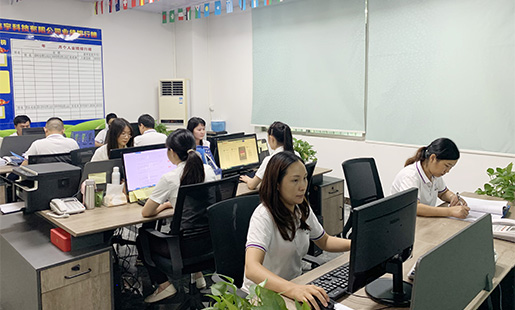
We work closely with client engineering divisions to support rapid prototyping and collaborative design review. This direct exchange aligns manufacturing with downstream assembly requirements.
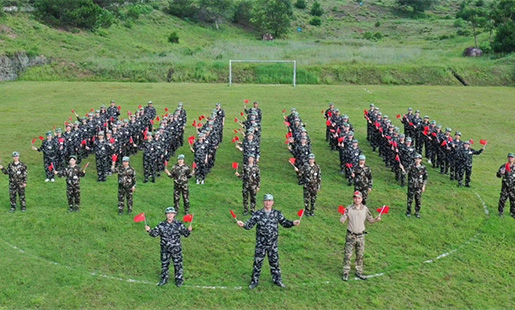
Transparency underpins our business relations. From raw material mill test reports (MTR) to final dimensional logs, we provide clear documentation for every production batch.
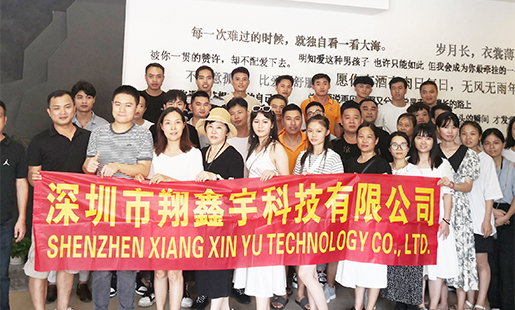
Industrial machinery components handle significant dynamic loads. We carry out structural and dimensional validation to ensure safety and functionality in heavy-duty operating environments.
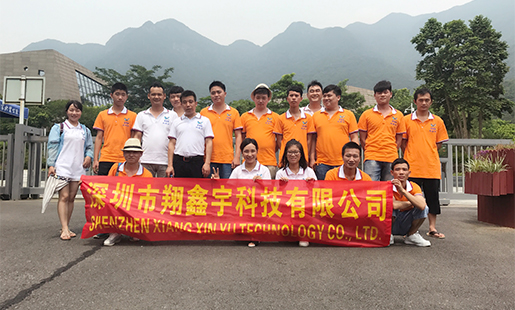
We support our engineering staff with structured professional training and ensure safe workspace environments, cultivating talent to deliver specialized client support.
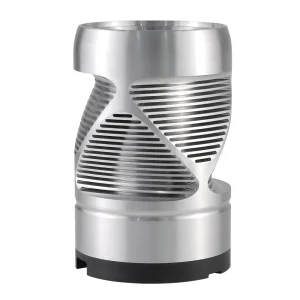
Our machining lines are configured to manage challenging industrial designs. By employing 3-axis, 4-axis, and simultaneous 5-axis CNC machining, we can mill, turn, and drill multi-faceted parts without requiring multiple fixtures. This setup reduces cumulative tolerance errors and maintains positioning precision across complex parts.
Our material list includes high-grade metals and engineering plastics, such as aluminum alloys (6061-T6, 7075), stainless steel (304, 316, 17-4 PH), titanium (Ti-6Al-4V), carbon steels, brass, and plastics like PEEK, POM (Delrin), and PTFE. Our CNC lathes feature integrated live tooling, allowing turning and milling operations in a single setup for concentric, balanced cylindrical components.
In addition, our CAD/CAM software integration allows us to import 3D CAD files (STEP, IGES, Parasolid) directly. This digital transition links component designs straight to toolpath generation, reducing setup times and facilitating rapid prototyping cycles for critical spare parts.
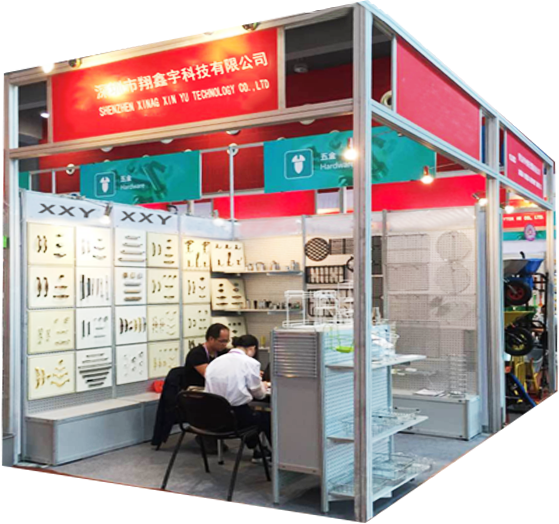
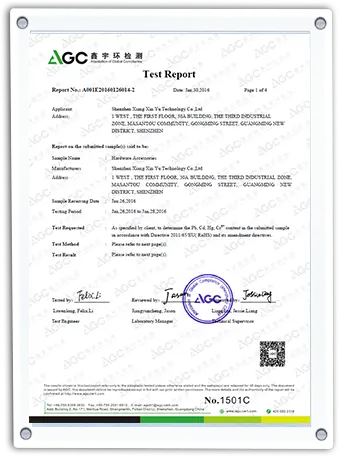
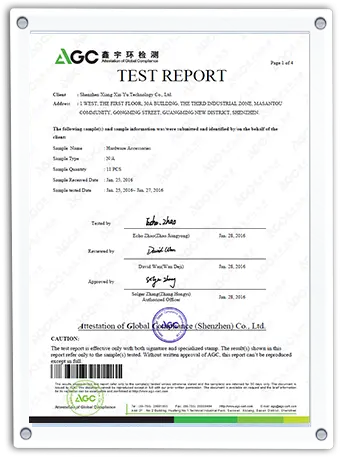
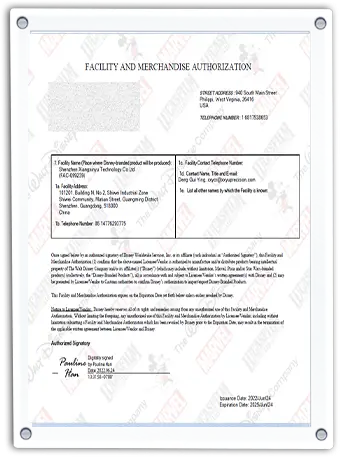
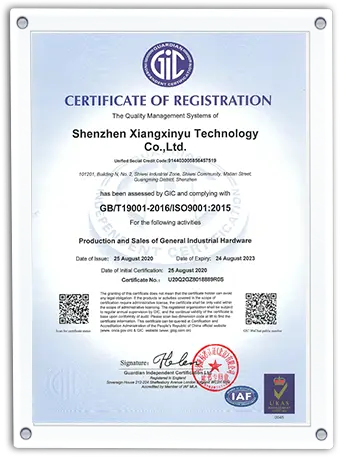
Within precision manufacturing, standardized quality certifications provide clear indicators of a factory's technical capabilities and quality management. We maintain a documented Quality Management System (QMS) to ensure repeatability across production runs.
Comprehensive trace reports, internal audits, and certified measurement instruments ensure high precision.
Verified raw material sourcing, chemical composition compliance, and environmental standards certificates.
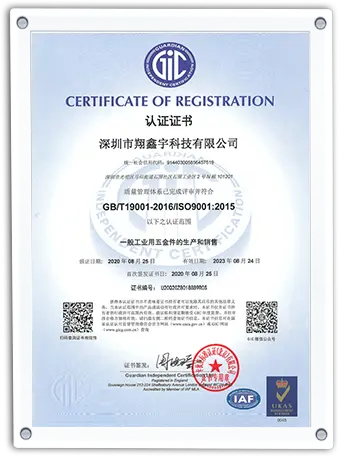
Industrial machinery components face rising demands for performance under dynamic stress. Our manufacturing lines adapt to these requirements by modernizing production technology. Below is a strategic overview of our technology implementations and research focuses aimed at supporting future B2B procurement needs:
Ideal for slender, high-aspect-ratio components in medical and aerospace sectors. Supporting guide-bush setups prevent deflection at the cutting zone, maintaining tolerances of +/- 0.005mm.
By simulating toolpaths against digital twins of our CNC centers, we identify potential collisions, axis limits, and surface errors before running physical material, saving time and resources.
Post-machining surface treatments must meet precise requirements. We offer bead-blasting, hard-anodizing, passivating, and electro-polishing, verified through profilometers to confirm Ra roughness values.
To support international distribution, we ensure all components comply with the European Union's Restriction of Hazardous Substances (RoHS) directive. Material inputs are verified through incoming inspection. Additionally, our logistics teams provide full custom packaging, including rust-preventative VCI bags and shock-resistant custom crates, protecting parts during ocean and air freight.
Depending on the geometry and material selected, our standard tolerance range is +/- 0.01mm. For critical interfaces, we can achieve +/- 0.005mm on our high-speed milling and Swiss turning machines, verified through coordinate measuring machines (CMM).
We source raw metals and polymers from ISO-certified mills. Every batch of material received is logged with its corresponding Mill Test Report (MTR). This documentation is archived and can be provided with shipment delivery notes.
Yes. Our engineering division operates a dedicated prototyping cell designed for quick turnarounds. Once prototype geometry and fit-checks are approved, we transfer CAM data to our automated production lines to scale output.
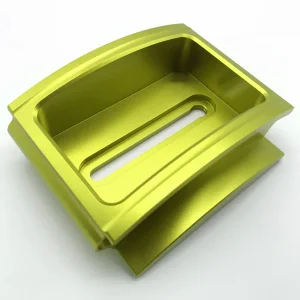
We provide a range of surface finishing options, including clear and color anodizing (Type II & Type III hardcoat), passivating, electroless nickel plating, zinc plating, black oxide conversion, bead blasting, and powder coating.
 Xiang Xin Yu