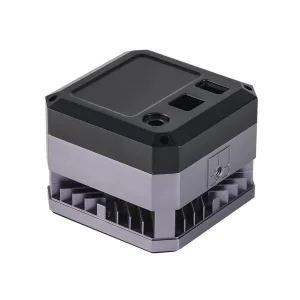
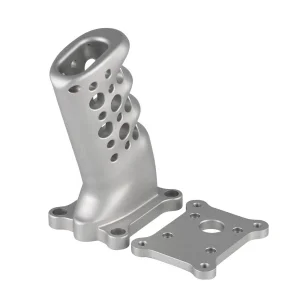
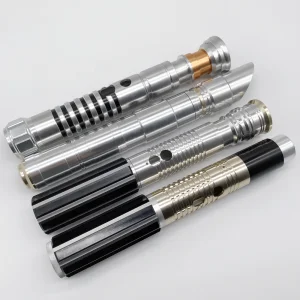
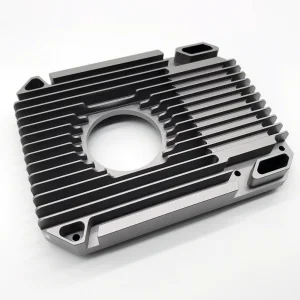
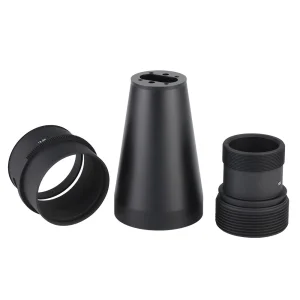
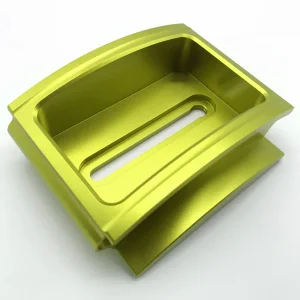
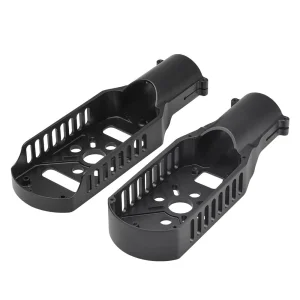
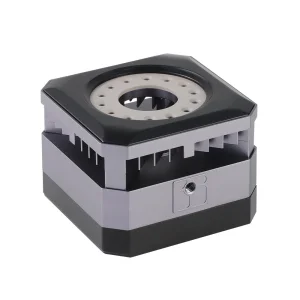
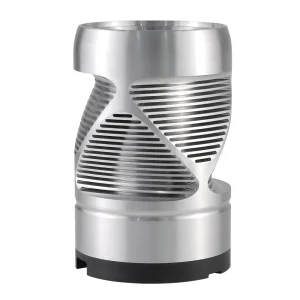
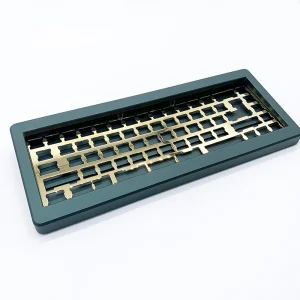
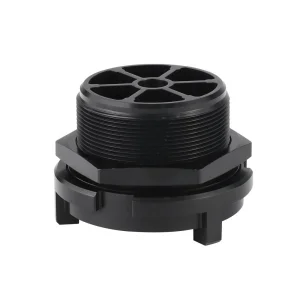
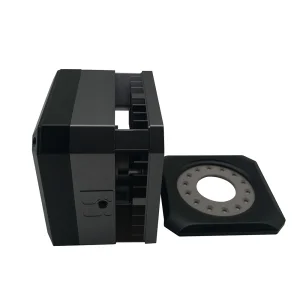
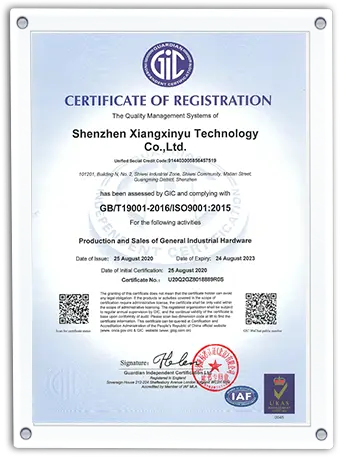
Direct supply line engineered parts manufactured under strict ISO 9001 certifications. Select the appropriate configuration to download technical datasheets.
Shenzhen Xiang Xin Yu Technology Co., Ltd. is a highly specialized enterprise focusing on state-of-the-art CNC machining, structural component engineering, and customized manufacturing services. Backed by several years of deep domain experience, we operate a production center equipped with high-speed 3-axis, 4-axis, and multi-axis CNC machines capable of executing intricate designs. We transform raw metallurgical stock into highly critical, functional components that meet exact design tolerances.
Our capabilities serve industries requiring absolute precision. We regularly machine robust components for the aerospace sector, high-durability assemblies for automotive systems, medical instruments demanding strict compliance, and complex enclosures for electronics. Our engineering team continuously refines manufacturing toolpaths and fixtures to improve quality, shorten turnaround cycles, and keep unit costs highly competitive.
At Shenzhen Xiang Xin Yu, production is integrated with quality control. We run a rigorous inspection regimen tracking raw material sourcing up to final optical and coordinate inspections. Our customized engineering solutions help clients optimize their product designs for efficient manufacturing (DFM).
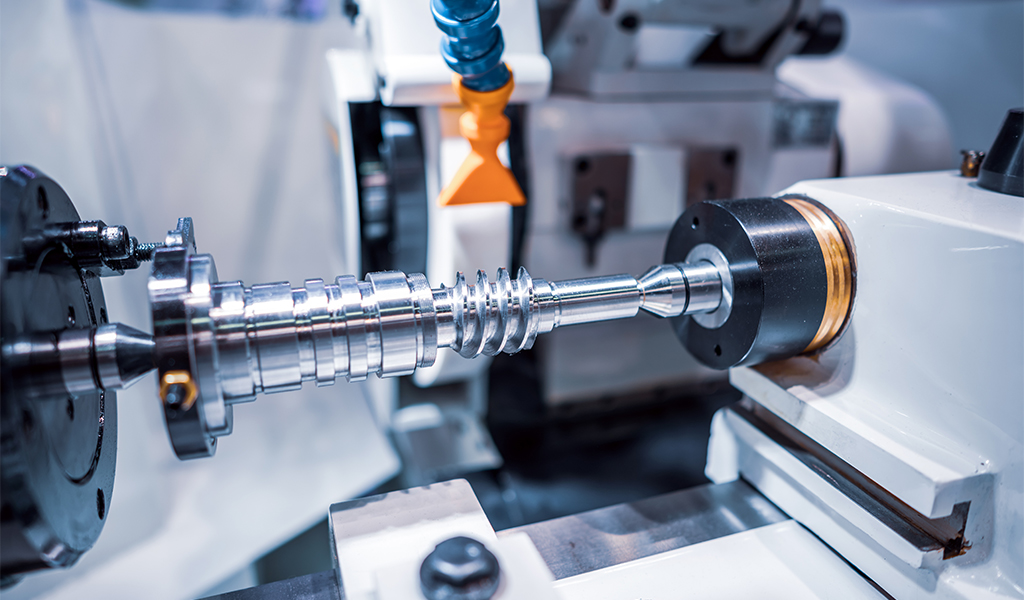
Maximizing performance and yield across industrial projects begins with choosing the correct alloy and manufacturing process.
The mechanical properties of aluminum alloys vary depending on their compositional elements. Selecting the right alloy is essential to balancing raw strength, machinability, weight, and corrosion resistance.
| Alloy Series | Key Elements | Mechanical Strengths | Ideal Applications |
|---|---|---|---|
| 6061-T6 | Magnesium, Silicon | Excellent weldability, high corrosion resistance, yield strength up to 276 MPa. | Structural frames, internal electronic brackets, custom CNC enclosures. |
| 7075-T6 | Zinc, Copper | Aircraft-grade tensile strength (up to 572 MPa), superior fatigue strength. | Aerospace gears, structural wing spars, high-stress defense equipment. |
| 5052-H32 | Magnesium, Chromium | Outstanding marine corrosion resistance, high ductility, excellent formability. | Saltwater marine hulls, pressure vessels, complex sheet metal housings. |
| 2024-T3 | Copper, Manganese | High strength-to-weight ratio, exceptional structural performance at low temperatures. | Fuselage skins, structural components under tension, transportation gear. |
Ideal for creating constant cross-sectional profiles. Used to produce cost-effective, high-volume structural framing, heat sinks, and brackets.
Delivers high precision for complex 3D profiles. Achieves tight linear and geometric tolerances down to ±0.005mm on custom components.
Options include Type II and Type III (Hardcoat) anodizing for surface durability, chemical conversion coatings (Alodine), bead blasting, and powder coating.
Aligning component production with macro supply chain variables, sustainability directives, and localized production networks.
Evaluating 3D models to minimize thin-wall collapse, optimize tool paths, decrease material waste, and select cost-effective aluminum grades.
Partnering with certified refineries using renewable energy to decrease scope-3 emissions, supporting green procurement and corporate sustainability initiatives.
Using real-time telemetry and state-of-the-art tooling to monitor tolerance stability, heat transfer, and surface finishes across production runs.
Applying standard anodizing and passivation treatments while complying with RoHS, REACH, and other environmental guidelines to manage heavy metal runoff.
Using specialized packaging to protect structural components from oxidization and mechanical damage during international air, land, and sea transport.
Our operational framework is built on core values that ensure transparency, reliability, and long-term customer relationships.
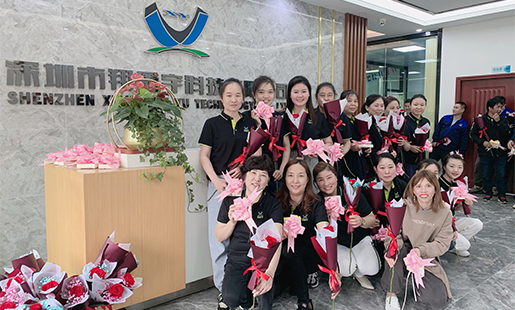
We encourage our technical teams to develop new machining strategies, optimize tool geometries, and utilize modern equipment to improve productivity.
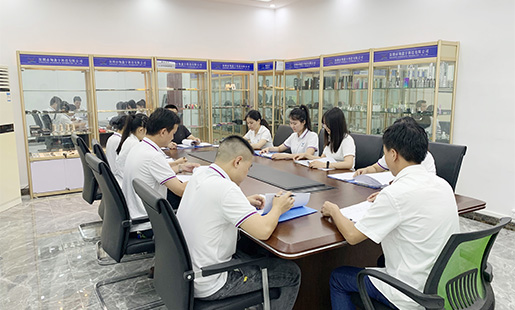
We work to maintain high precision across all operations, monitoring critical-to-quality dimensions at every stage of the manufacturing process.

Our departments work together to streamline operations, sharing data and manufacturing insights to keep client projects on schedule.
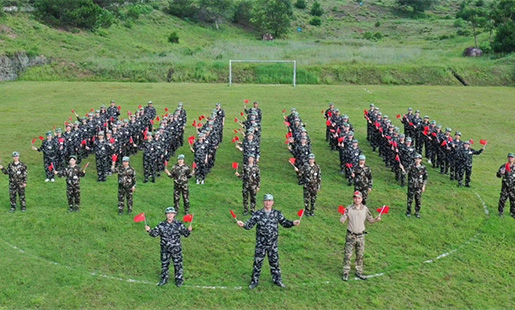
We run honest, transparent operations. Material sourcing certificates, dimensions, and inspection reports are fully documented and shared.
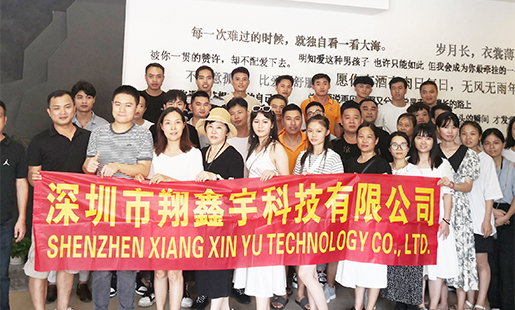
We recognize the importance of every part we make to the performance and safety of the final product. Every job is handled with care.
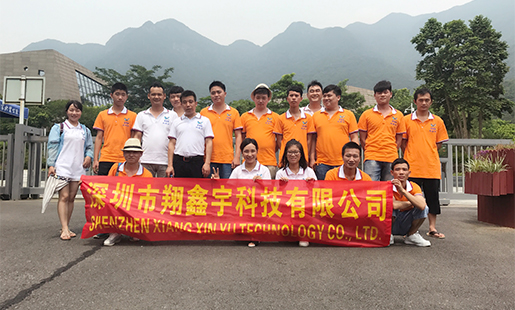
We respect the goals of our clients and the ideas of our employees, fostering a collaborative workspace focused on continuous improvement.
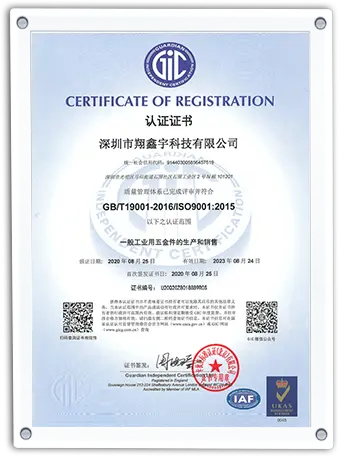
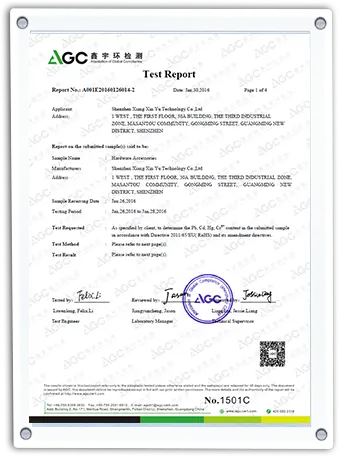
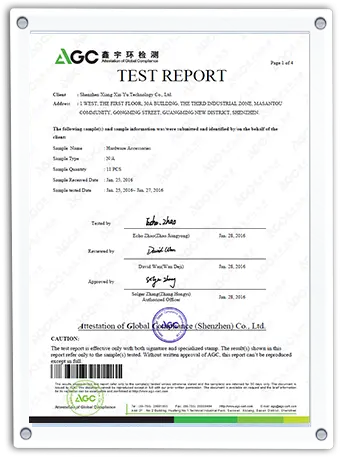
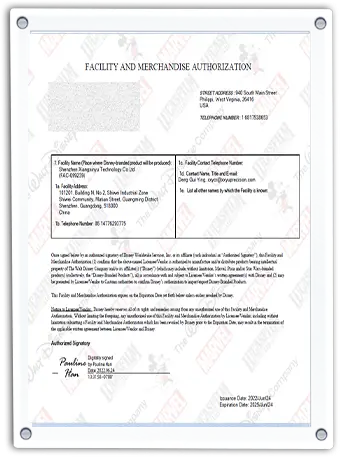
In modern manufacturing, industry certifications confirm a factory's technical capabilities and quality management standards. Our operations align with established international benchmarks, helping us meet client requirements across complex applications.
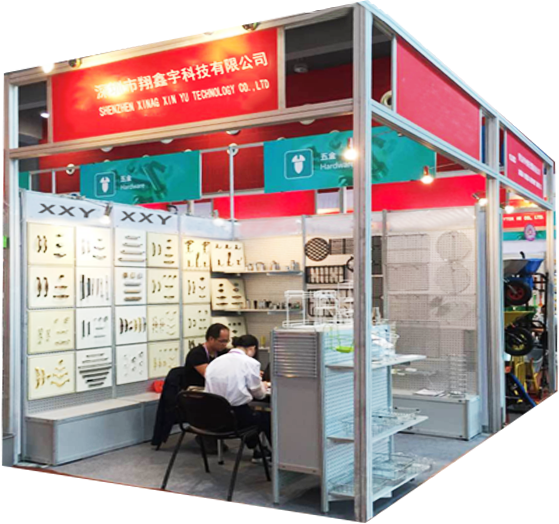
We operate as a direct manufacturing supplier, checking all material inputs and surface finishes against RoHS and environmental guidelines.
Direct answers regarding engineering options, production lead times, tolerances, and quality certifications.
Our precision machining centers maintain dimensional tolerances down to ±0.005mm (0.0002 inches) under controlled conditions. We configure tool paths, spindle speeds, and coolant flow to manage the material's thermal expansion during production.
Every production batch is traced back to its raw material stock. We supply mill test reports (MTRs) and material composition certificates detailing chemical composition and mechanical properties upon request.
We offer clear and color anodizing (Type II), hardcoat anodizing (Type III), chromate conversion chemical film (Alodine), bead blasting, sandblasting, chemical passivation, and industrial powder coating.
Yes. Our engineering team reviews submitted 3D designs (STEP, IGES, SolidWorks files) to check for deep internal pockets, thin walls, tight radiuses, and non-standard thread configurations. We suggest adjustments to improve machinability and lower production costs.
Standard prototypes typically take 3 to 7 working days, depending on geometry and required surface treatments. Production batches take 2 to 4 weeks depending on order volume and the factory schedule.
Yes, our raw materials and surface treatments comply with current RoHS and REACH regulations. We provide chemical verification testing documents from accredited third-party laboratories.
Browse our catalog of custom assemblies, turning parts, sheet metal components, and specialized casting solutions.
 Xiang Xin Yu