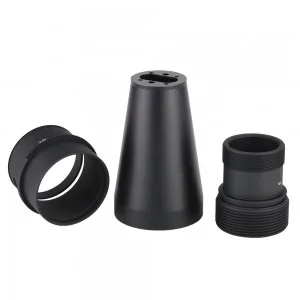
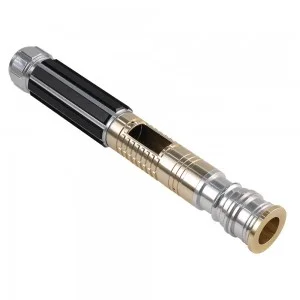
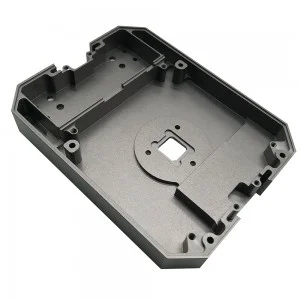
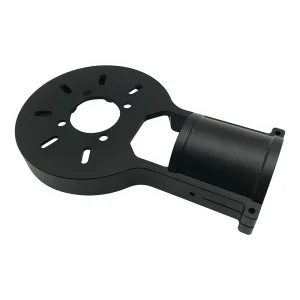
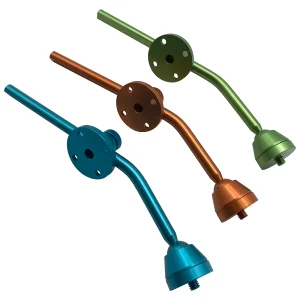
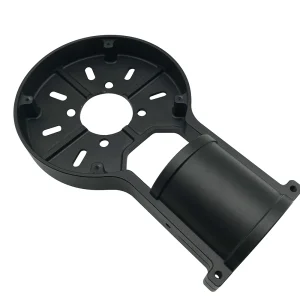
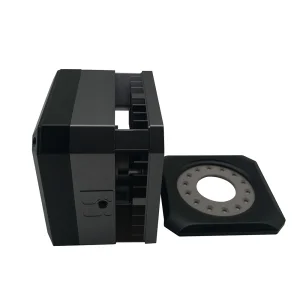
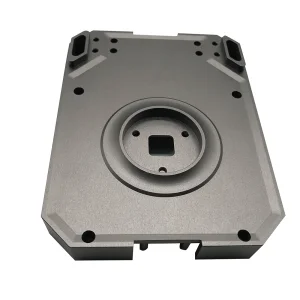
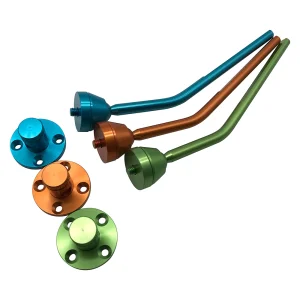
Explore our core high-tolerance CNC engineered parts designed for rigorous aerospace, defense, and medical standard specifications.
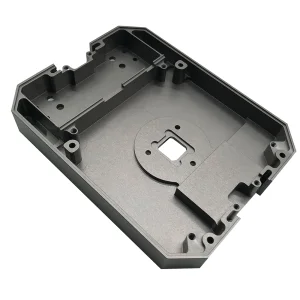
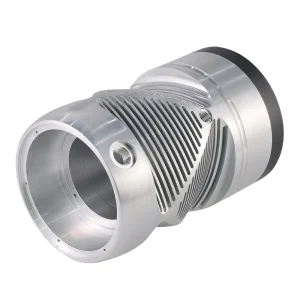
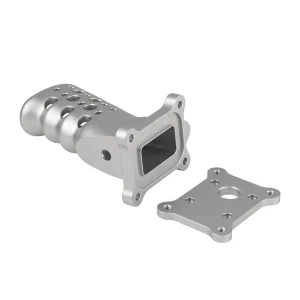
Titanium stands as the cornerstone of contemporary aerospace metallurgy and high-reliability mechanical engineering. Valued for its incredible strength-to-weight ratio, superior fatigue resistance, and absolute biocompatibility, titanium is an indispensable structural element. As industrial automation accelerates globally, the demand for titanium grades—specifically Grade 5 (Ti-6Al-4V) and Commercially Pure Grade 2—has experienced exponential growth.
Modern supply chain pressures compel procurement managers and design engineers to look for specialized titanium companies that do more than just supply raw stock. The current global titanium ecosystem emphasizes precision CNC subtractive fabrication, tight tolerancing, and optimized surface treatment profiles. The conversion of raw ingots into intricate components requires deep metallurgical expertise to overcome titanium’s low thermal conductivity and high chemical reactivity during high-velocity milling operations.
According to modern metallurgical indices, the transition toward complex CAD-modeled parts in aerospace and advanced orthopedic implants has driven CNC titanium manufacturing houses to adopt multi-axis machining methods. This technical advancement reduces tool wear while preventing work-hardening of the titanium matrix.
Machining titanium efficiently requires a solid understanding of how different alloys behave under thermal and physical stresses. Unlike structural steels, titanium retains high yield strength at elevated temperatures, concentrating cutting forces on the tool's shear plane. Below is an engineering overview of the primary alloys machined in our facility:
| Titanium Grade | Composition (Key Elements) | Yield Strength (MPa) | Primary Industrial Applications | Machinability Profile |
|---|---|---|---|---|
| Grade 1 & 2 (CP) | Commercially Pure Ti | 275 - 350 | Chemical processing vessels, marine piping systems, dental plates | Highly ductile; susceptible to built-up edge (BUE) formation |
| Grade 5 (Ti-6Al-4V) | 6% Al, 4% V, Balance Ti | 880 - 920 | Aerospace structural bulkheads, turbine rotors, high-end automotive fasteners | High strength, low thermal conductivity; requires specialized tool coatings |
| Grade 23 (Ti-6Al-4V ELI) | Extra Low Interstitials (O, N, Fe) | 825 - 860 | Orthopedic bone screws, spinal cages, joint replacements, cardiac implants | Excellent fracture toughness; requires strict biological cleanliness |
Because titanium exhibits low elasticity (young's modulus), components tend to spring back during heavy cuts. To counter this, our CNC technicians implement rigid fixturing with minimal overhang. We utilize solid carbide cutters coated in TiAlN (Titanium Aluminum Nitride) or AlTiN to shield the tool from localized heat generation. Additionally, high-pressure coolant (minimum 70 bar/1000 psi) is applied directly to the tool tip to flush chips and prevent galling.
Shenzhen Xiang Xin Yu Technology Co., Ltd. is an enterprise specializing in CNC machining, with many years of industry experience and outstanding technical strength.
We are equipped with advanced CNC machine tools and equipment, which can meet the processing requirements of various complex and precise parts. From key components in the aerospace field to high-precision parts in the automotive industry, from fine components in medical equipment to micro-structural parts in the electronics industry, we can provide customers with high-quality products with exquisite craftsmanship and strict quality control.
The company focuses on technological innovation and talent cultivation, and has an experienced and highly skilled professional team. They constantly explore and research new processing techniques and methods to improve production efficiency and product quality.
We always adhere to the customer-centered approach, deeply understand customer needs, and provide customers with customized solutions and all-round service support. From order receipt to product delivery, every link is strictly controlled to ensure the timely delivery of high-quality products.
In terms of quality control, we have established a perfect quality management system and strictly manage the purchase of raw materials, production process monitoring and finished product inspection to ensure that each product meets industry standards and customer requirements. In the future, we will continue to uphold the concepts of professionalism, innovation, quality and service, constantly enhance our own strength, provide customers with better CNC machining services, and become a leading enterprise in the industry.
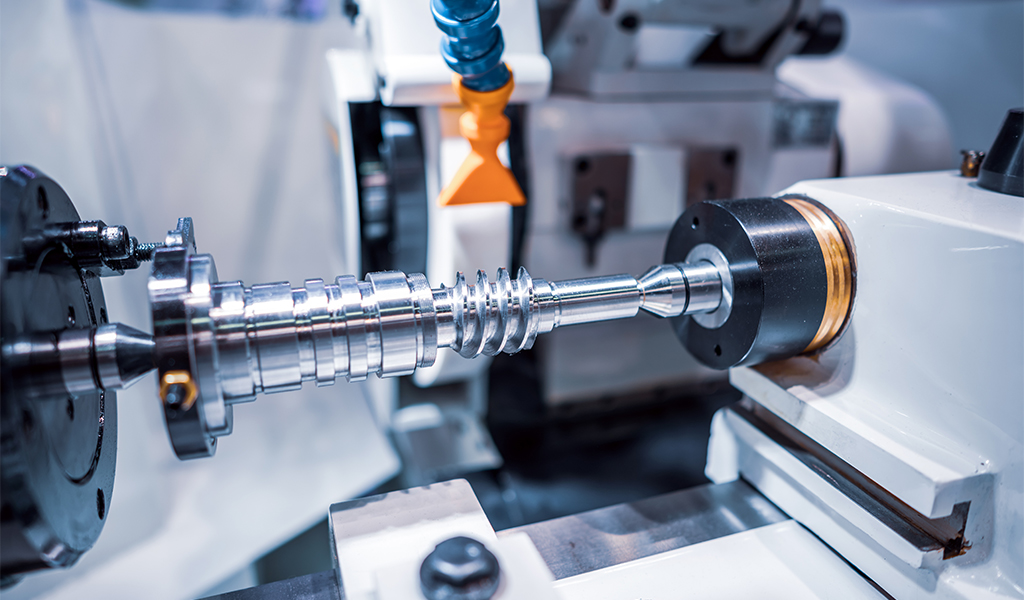
Our operational methodology is built on foundational engineering values designed to guarantee absolute repeatability and trust.
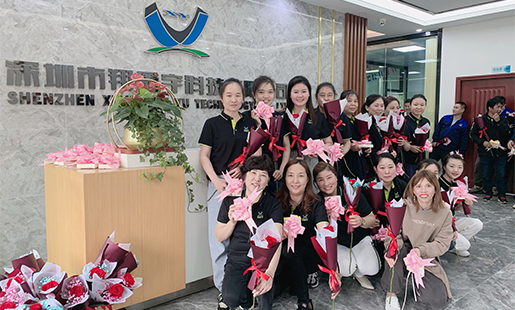
We encourage employees to continuously explore new processing methods and technologies to improve production efficiency and product quality and meet the changing needs of customers.
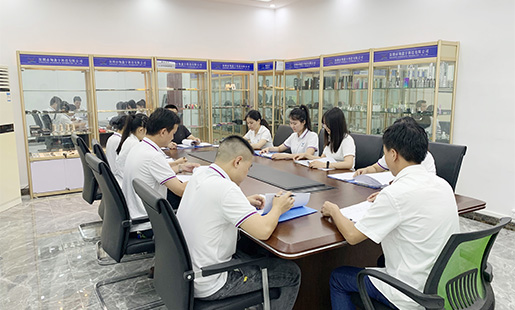
We pursue excellent quality, strictly control every processing link, and strive for zero defects to provide customers with the best products.

Team members support and collaborate with each other, jointly overcome difficulties, share experiences and knowledge, and form a strong whole.

Establish honest and cooperative relationships with customers and suppliers, keep promises, and treat every business with honesty and fairness.
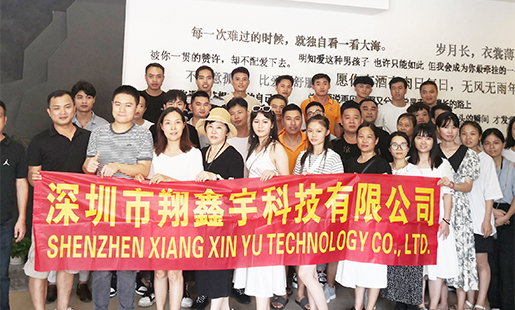
We are well aware that every product is related to the interests and safety of customers. Therefore, we always maintain a high sense of responsibility and take every job seriously.
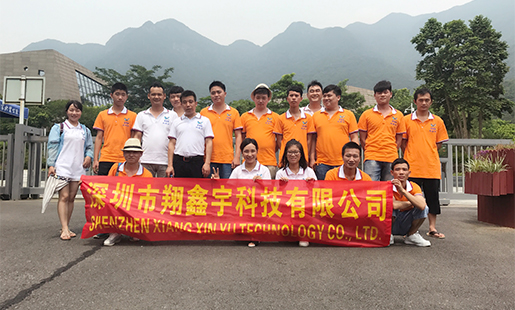
Respect the personality and ideas of each employee, provide a good development space for employees, and also respect the needs and opinions of customers.
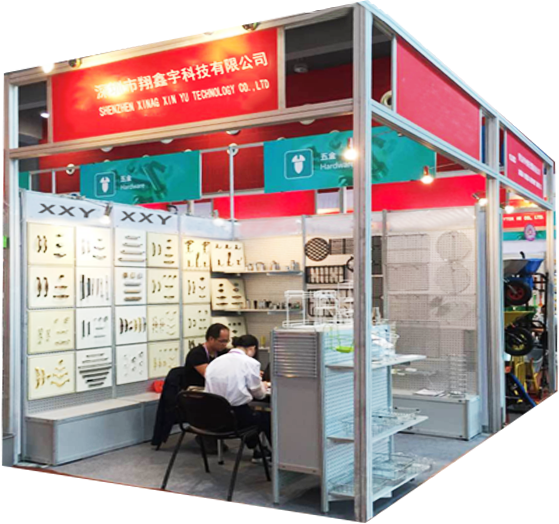
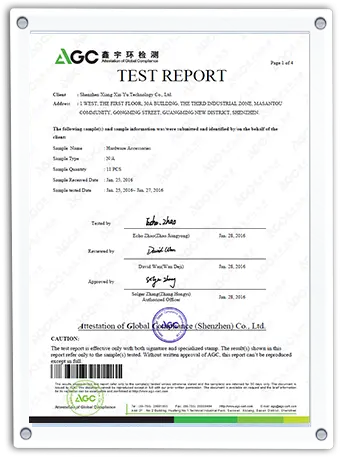
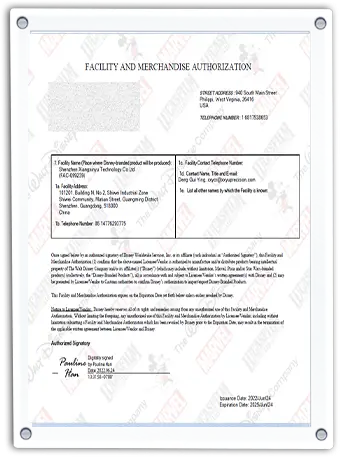
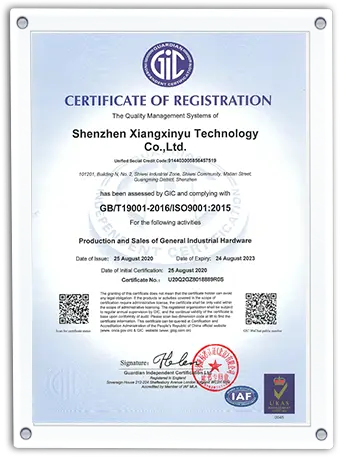
In a CNC machining company, professional certificates are important criteria for measuring the technical strength of the company and the professional quality of employees.
These professional certificates not only represent the individual professional skills of employees but also reflect the overall technical level and quality assurance ability of the company, helping to enhance the company's competitiveness in the market.
Quality control operations at Shenzhen Xiang Xin Yu Technology Co., Ltd. adhere to standardized international protocols. While providing state-of-the-art metal CNC services, we also coordinate with specialized partners to supply components aligned with chemical and material compliance.
*Chinese direct factory for the silicone oil, MM, and other organosilicone materials.
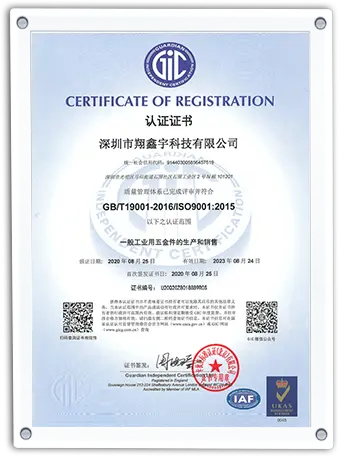
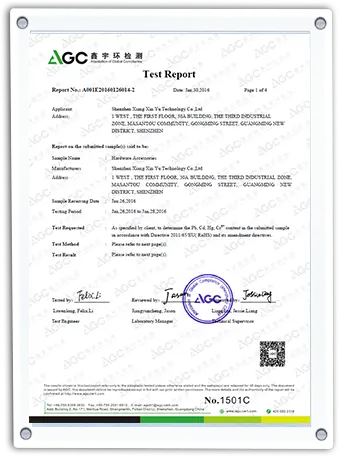
Different global locations demand varying engineering guidelines. The aerospace sectors in the US and Europe rely heavily on AMS (Aerospace Material Specifications) and ASTM specifications, whereas localized medical markets require strict compliance with ISO 13485 regulations. Below is a breakdown of our customized industry solutions:
Our facility mills complex titanium stator segments, bracket arrays, and fuel system adapters. These elements operate in extreme pressure gradients, requiring absolute geometric accuracy to minimize fatigue cracks.
From custom orthopedic joint implants to small diagnostic device housings, our manufacturing processes guarantee contamination-free surface states. Post-process electropolishing and ultrasonic cleaning steps ensure components are biocompatible.
Due to titanium's natural oxide layer, it is virtually impervious to localized crevice corrosion and pitting in high-salinity seawater. We produce custom subsea sensor enclosures, downhole tools, and high-tensile pressure bolts.
As modern engineering pushes limits, titanium machining workflows continue to evolve. At Shenzhen Xiang Xin Yu Technology, we monitor these technical advancements closely to continuously improve our production efficiency and output quality:
Conventional machining fluids often fail under the extreme heat generated at the cutting zone of titanium alloys. Our future engineering layout plans to integrate liquid nitrogen (LN2) or supercritical carbon dioxide (scCO2) delivery systems. Direct tooling cooling reduces structural tool wear by up to 40% and allows for higher feed rates.
To minimize the high Buy-to-Fly ratio (often 10:1 or more in aerospace where 90% of material is milled away), we are optimizing pathways for 3D printed Near-Net-Shape components. Once printed, we finish the critical dimensions using our 5-axis high-speed milling machines, offering significant cost savings for our clients.
By utilizing adaptive programming within CAM software, we dynamically modify feed speeds based on continuous spindle load feedback. This adjustment prevents tool damage during deep slots and guarantees stable micro-tolerances.
"Titanium’s thermal conductivity is extremely low, meaning the heat generated during milling cannot escape via chips. If tools dwell for even a second too long, the friction can cause localized hardening, making future cuts difficult. We solve this by using high-feed milling tools that distribute cutting forces axially."
— Chief CNC Production EngineerGet technical answers regarding raw material specifications, machining practices, and production capabilities.
Discover more specialized CNC manufacturing services designed for defense, automotive, and emerging high-tech markets.
 Xiang Xin Yu