Explore our high-performance components, engineering capabilities, and global CNC machining solutions.
Aligning precision engineering training with corporate supply chain cost optimization.
In the contemporary manufacturing sector, CNC (Computer Numerical Control) systems form the absolute bedrock of complex manufacturing. From fabricating high-tolerance micro-components for medical implants to scaling massive engine structures for next-generation electric vehicles, the demand for precision is unyielding. However, as the global industrial landscape shifts toward automation and Industry 4.0, a significant workforce talent deficit has emerged. OEMs (Original Equipment Manufacturers) and Tier-1 suppliers globally are experiencing a severe shortage of skilled operators capable of managing multi-axis machining centers.
To offset this bottleneck, procurement professionals are increasingly turning to strategic Cheap CNC Training Factories & Services. Here, "cheap" does not indicate a reduction in quality; rather, it represents the optimization of educational operations, structured digital twin simulations, and lean training methodologies that dramatically reduce cost-per-student while delivering industry-standard competency. By partnering with advanced manufacturing institutions, global companies can execute strategic, localized training frameworks that integrate directly with their factory floors, preserving precision and elevating equipment lifespan.
When international buyers source CNC training services, their selection methodology spans several critical metrics. First, training programs must feature curriculum modularity, allowing fast customization based on local hardware assets (such as Fanuc, Siemens, or Haas control packages). Secondly, there must be a seamless bridge between CAD/CAM software application and hands-on lathe and mill operations.
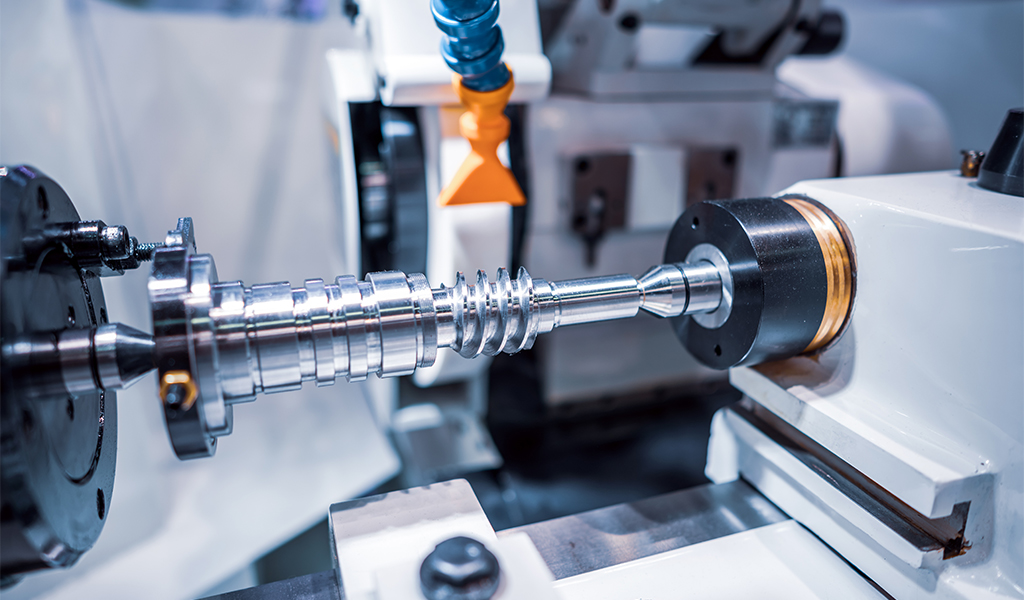
Empirical success numbers driving operational excellence and talent development.
Shenzhen Xiang Xin Yu Technology Co., Ltd. - Driving CNC Innovation and Workforce Competency.
Shenzhen Xiang Xin Yu Technology Co., Ltd. is an enterprise specializing in CNC machining, with many years of industry experience and outstanding technical strength. We are equipped with advanced CNC machine tools and equipment, which can meet the processing requirements of various complex and precise parts. From key components in the aerospace field to high-precision parts in the automotive industry, from fine components in medical equipment to micro-structural parts in the electronics industry, we can provide customers with high-quality products with exquisite craftsmanship and strict quality control.
The company focuses on technological innovation and talent cultivation, and has an experienced and highly skilled professional team. They constantly explore and research new processing techniques and methods to improve production efficiency and product quality. We always adhere to the customer-centered approach, deeply understand customer needs, and provide customers with customized solutions and all-round service support. From order receipt to product delivery, every link is strictly controlled to ensure the timely delivery of high-quality products.
In terms of quality control, we have established a perfect quality management system and strictly manage the purchase of raw materials, production process monitoring and finished product inspection to ensure that each product meets industry standards and customer requirements. In the future, we will continue to uphold the concepts of professionalism, innovation, quality and service, constantly enhance our own strength, provide customers with better CNC machining services, and become a leading enterprise in the industry.
The standard pillars built on innovation, transparency, and operational responsibility.
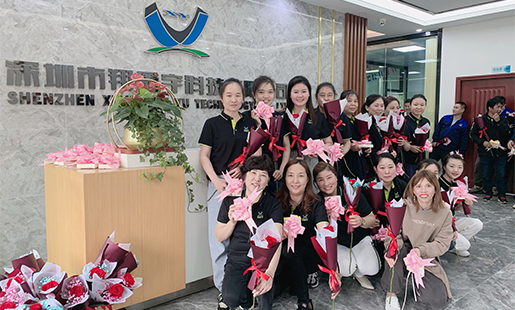
We encourage employees to continuously explore new processing methods and technologies to improve production efficiency and product quality and meet the changing needs of customers.
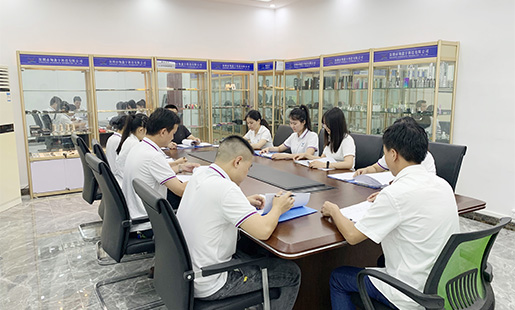
We pursue excellent quality, strictly control every processing link, and strive for zero defects to provide customers with the best products.
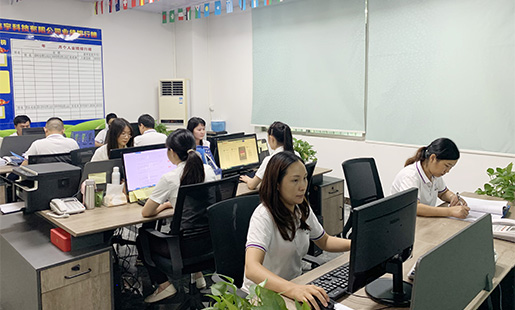
Team members support and collaborate with each other, jointly overcome difficulties, share experiences and knowledge, and form a strong whole.

Establish honest and cooperative relationships with customers and suppliers, keep promises, and treat every business with honesty and fairness.
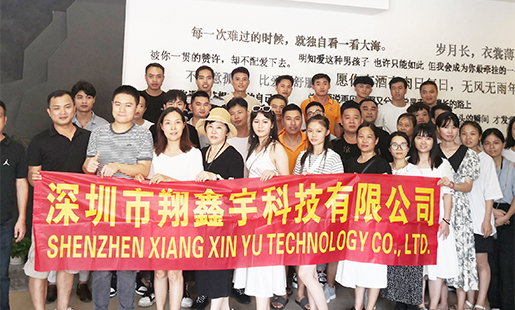
We are well aware that every product is related to the interests and safety of customers. Therefore, we always maintain a high sense of responsibility and take every job seriously.
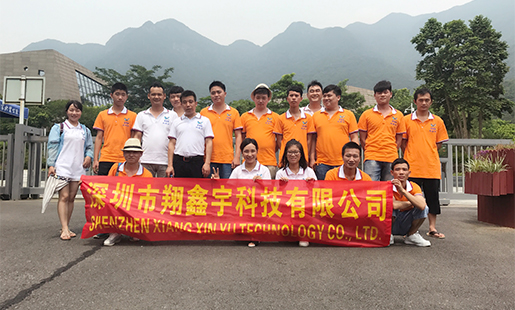
Respect the personality and ideas of each employee, provide a good development space for employees, and also respect the needs and opinions of customers.
Constructing structured proficiency tiers for operators and programmers in multi-axis fabrication.
Understanding geometric dimensions and tolerances (GD&T), raw material behavior (aluminum alloys, stainless steels, engineering plastics), and manual mill setups.
Writing and auditing raw G-code. Translating physical drafts into optimized, collision-free coordinate movements for multi-axis configurations.
Advanced MasterCAM and UG training to generate machine-ready toolpaths, reducing component cycle times and minimizing machine tool wear.
A critical element of our CNC training services is practical simulation. By combining low-cost physical control panel interfaces with high-end desktop virtual twins, we offer a safe, highly repetitive learning process. This strategy prevents damage to actual multi-million dollar machining centers and drastically lowers raw training costs, passing the financial savings to our industrial partners. Operators learn how to monitor surface finish dynamics, predict geometric stability errors, and perform secondary operation setups in real time.
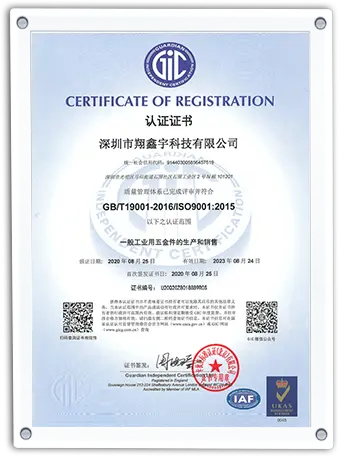
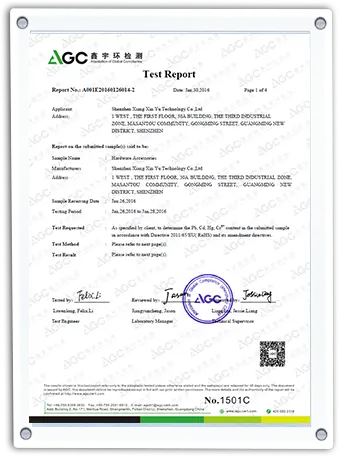
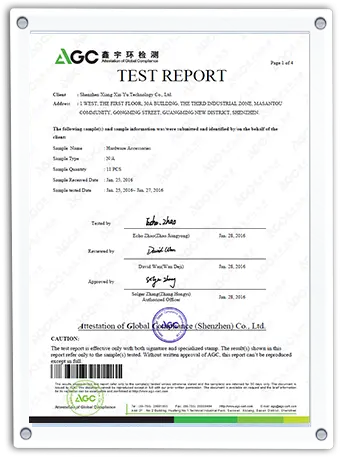
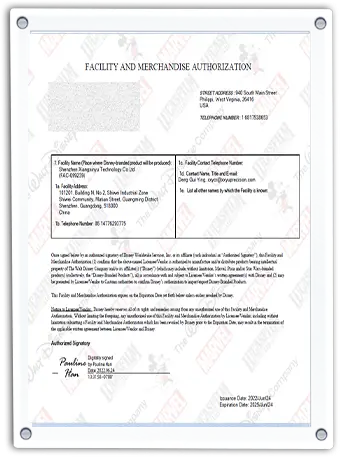
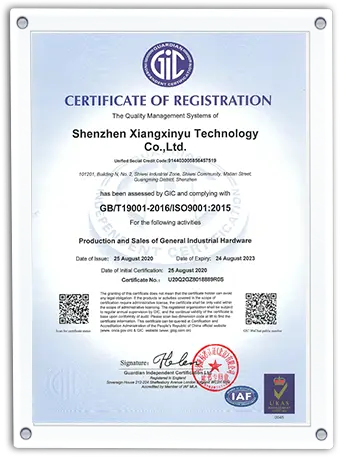
In a CNC machining company, professional certificates are important criteria for measuring the technical strength of the company and the professional quality of employees.
Common professional certificates integrated within our CNC training matrices include:
These professional certificates not only represent the individual professional skills of employees but also reflect the overall technical level and quality assurance ability of the company, helping to enhance the company's competitiveness in the market.
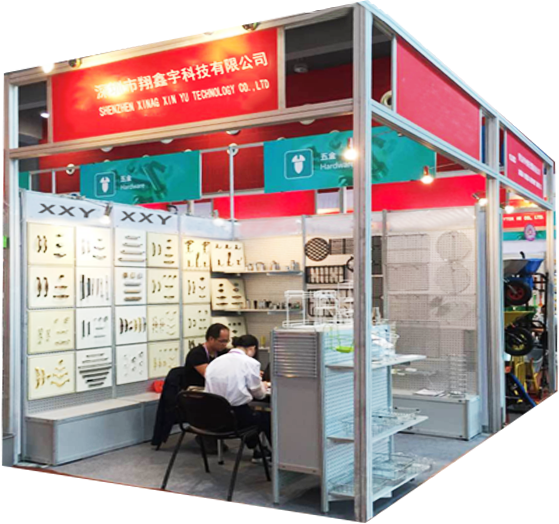
Chinese direct factory for the silicone oil, MM, and other organosilicone materials
While our primary industrial focus remains CNC precision fabrication and machining education, our cross-industry partnerships extend to material science compliance. We provide full compliance alignment under ISO and RoHS regulations, assuring safety and stability across all mechanical systems, silicones, and structural polymers used in processing components.
Deploying specialized training matrices and high-performance part manufacturing across key industries.
Aerospace engineering permits no deviations. Components such as turbine fins, structural bulkheads, and flight control interfaces are milled from heavy alloys like Titanium and Inconel. Our training programs emphasize geometric stability parameters, ensuring that high-tolerance cuts do not introduce thermal stress or hidden micro-fractures during operation. We train operators to handle high-feed milling geometries that reduce production cycles while protecting critical surface integrity.
In the high-speed automotive sector, success relies on efficiency. Cycle times must be optimized down to the millisecond. Our custom training modules prepare technicians to operate high-performance CNC turning centers, optimize robotic load-unload scripts, and run multi-fixture cells. By training operators to identify and resolve toolwear pre-emptively, automakers can reduce line downtime and secure high yield rates.
Medical manufacturing demands biocompatibility, high precision, and compliance with strict sanitary standards. Our services teach micro-machining techniques for producing bone screws, orthopedic implants, and delicate diagnostic housings. Trainees learn to prevent contamination, handle delicate workholding devices without scratching, and document every step of the process for regulatory audits.
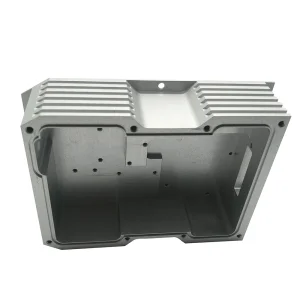
With the rapid rise of 5G, advanced semiconductor interfaces, and electric vehicles, micro-structures and heat-dissipating casings have become highly complex. We offer instruction in rapid prototyping, processing complex aluminum casings, and executing specialized surface operations. This training ensures that raw components meet the thermal and electrical shielding requirements of next-generation devices.
Professional answers to common questions about CNC training costs, certifications, and operational scaling.
Complete your supply chain requirements with our diverse product and service capabilities.
 Xiang Xin Yu