Explore our elite selection of CNC-machined components designed for energy systems, medical assemblies, and custom electronic housings.
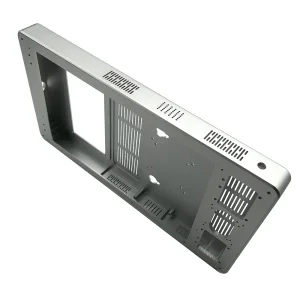
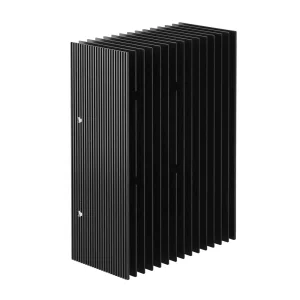
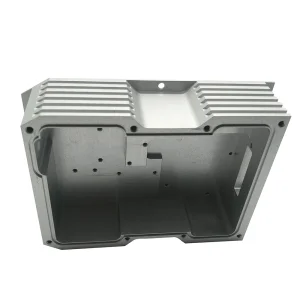
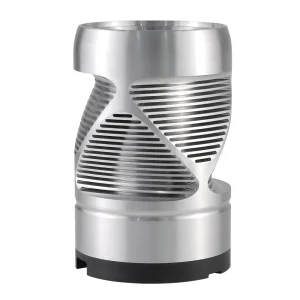
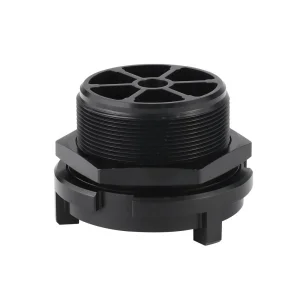
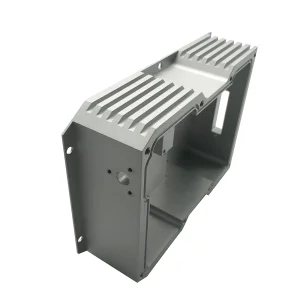
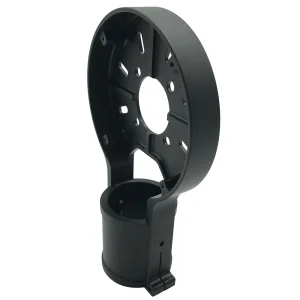
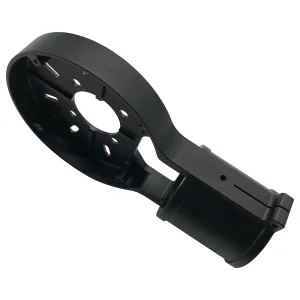
Modern industrial supply chains are transitioning away from high-volume, low-precision fabrication toward highly specialized, digitally simulated, and certified subtraction processes. In this landscape, a high-quality mechanical processing factory is no longer just a machining shop; it functions as a critical engineering partner. Global dynamics—including near-shoring, complex metallurgical specifications, and the integration of CAD/CAM digital twins—have reshaped what procurement and engineering teams expect from manufacturing partners.
"In the era of sub-micron engineering, manufacturing quality is determined by the intersection of kinematic accuracy, material stability under stress, and rigorous metrology validation."
Whether sourcing mission-critical components for aerospace systems, medical devices with micron-level fidelity, or structural elements for energy exploration, companies require a partner that understands the physical realities of metal and plastic deformation. At Shenzhen Xiang Xin Yu Technology Co., Ltd., we fuse decades of physical experience with advanced CNC machine tooling to deliver components that meet the tightest geometric dimensioning and tolerancing (GD&T) requirements.
The manufacturing sector currently faces three structural challenges: supply chain unpredictability, material certification gaps, and a shortage of advanced programming skills. High-quality factories address these challenges by investing in digital twin technologies, maintaining full material traceability (including RoHS and REACH compliance), and implementing real-time machine-monitoring systems. Understanding these details helps engineers make informed decisions when selecting production lines for critical projects.
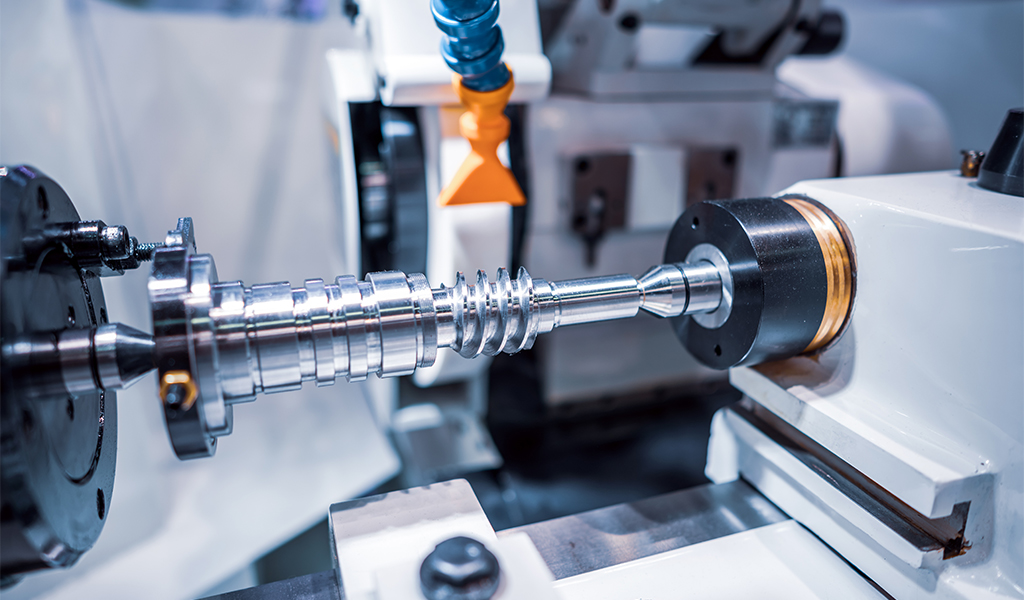
Shenzhen Xiang Xin Yu Technology Co., Ltd. is a specialized enterprise focused on precision CNC machining. Backed by years of industry experience and outstanding technical capability, we operate a facility configured to handle complex, close-tolerance components.
From structural aerospace parts to high-precision automotive components, fine medical assemblies, and micro-structured electronics housings, we support every phase of production. We couple advanced machinery with strict quality management to ensure each part matches its digital design specifications.
We emphasize continuous technical innovation and talent development. Our engineering teams regularly refine machining strategies and tooling paths to improve cycle times, minimize surface roughness, and maintain consistency across large production runs.
Our operational model is built on structured core values that align engineering discipline with customer-focused service.
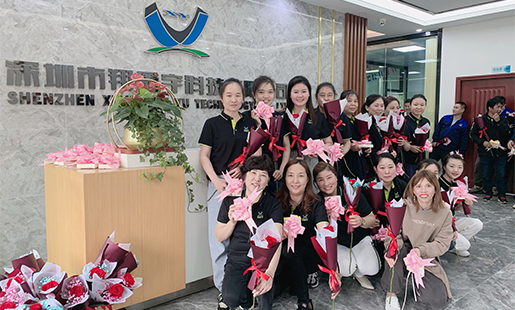
We encourage our teams to evaluate new machining strategies, optimized toolpaths, and advanced tooling geometries to maximize throughput and achieve challenging part features.
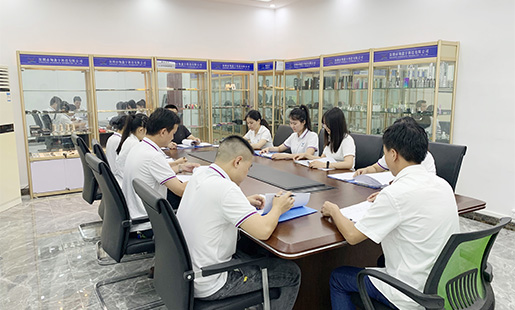
Our target is zero-defect production. By monitoring tool wear in real time and implementing in-process inspections, we ensure consistency across manufacturing batches.
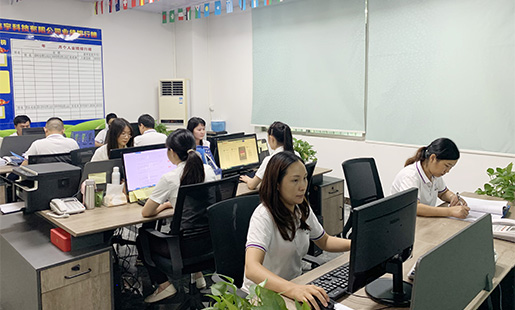
We work collaboratively across departments—from programming and operations to quality control—and maintain direct communication with our clients' design engineers.

We ensure full transparency regarding raw materials, inspection reports, and production timelines to build reliable, long-term supply partnerships.
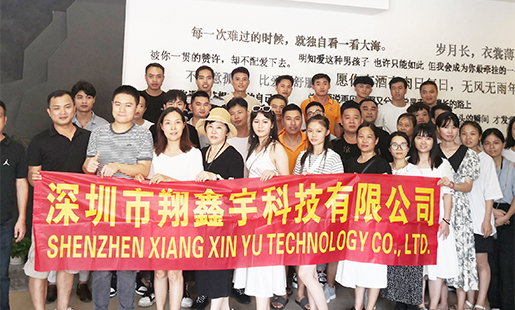
Recognizing that our parts are often installed in critical assemblies, we maintain strict process controls and traceability to safeguard the final product's performance.
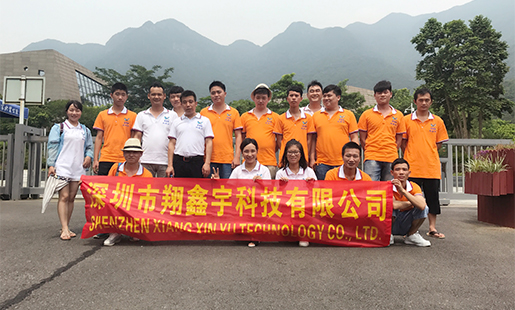
We support our internal workforce with continuous training and safe working conditions, while respecting the proprietary designs and intellectual property of our clients.
Precision machining is evolving from basic subtraction to fully automated, digitally-integrated fabrication.
Deploying simultaneous 5-axis milling configurations to machine complex undercuts and compound angles in a single setup, minimizing tolerance stack-up caused by manual refixturing.
Using virtual machine simulation models to check toolpaths, avoid spindle collisions, and optimize feed rates before initiating physical cuts on high-cost alloys.
Utilizing on-machine touch probes and vision systems to measure critical dimensions mid-cycle, automatically adjusting offsets to compensate for tool wear.
Implementing minimum quantity lubrication (MQL) and advanced chip-recycling systems to reduce fluid consumption and lower the carbon footprint of structural component production.
A rigorous inspection process is essential for verifying precision tolerances and meeting international material regulations.
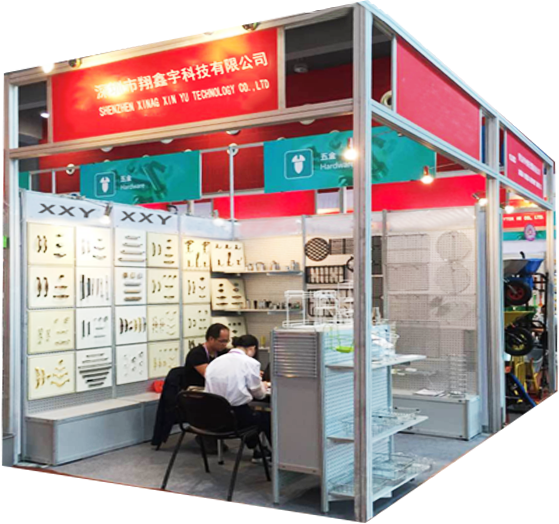
Confirms our technicians possess the fundamental training required for precise turning, thread-cutting, and complex multi-axis lathe operations.
Ensures operator competency in setting feeds and speeds, dynamic pocketing, and maintaining dimensional stability across custom milled parts.
Verifies capability in managing multi-axis horizontal and vertical machining centers with automatic tool changers.
Validates our programming team's ability to translate complex 3D models into optimized toolpaths, reducing machining stress and processing time.
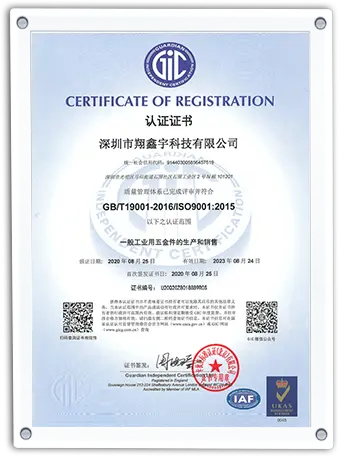
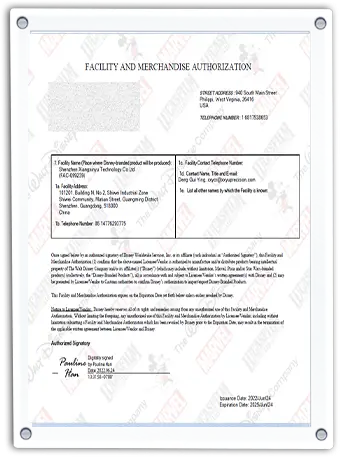
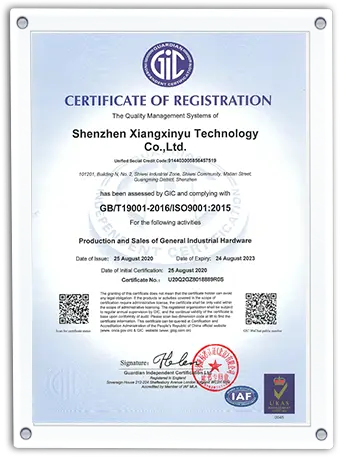
Supports continuous process improvement through regular internal audits, helping us maintain compliance with global quality standards.
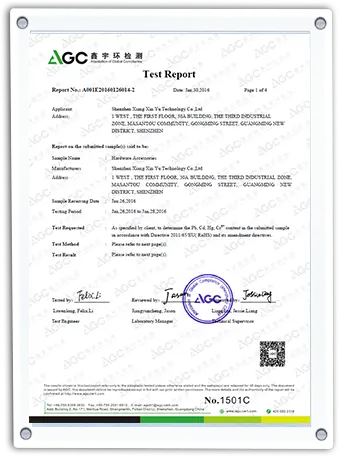
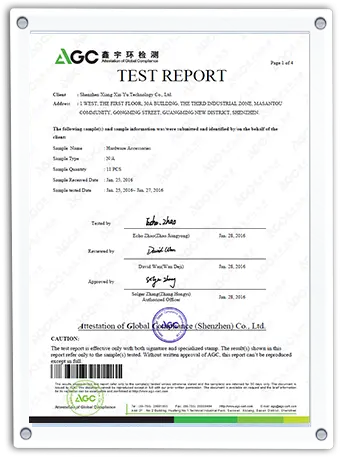
Direct processing and material verification reports for silicone materials, precision metals, and multi-axis machined polymers.
Technical answers to common sourcing and design questions regarding high-precision mechanical processing.
Review our specialized machining options, ranging from multi-axis digital twin setups to high-precision micro-fidelity manufacturing.
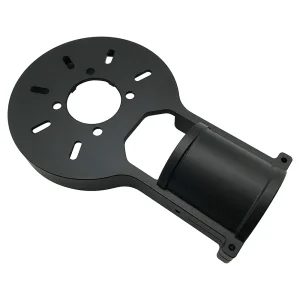
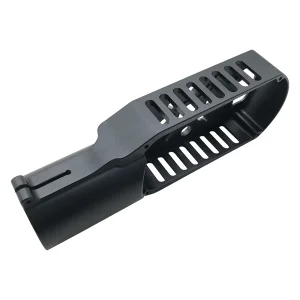
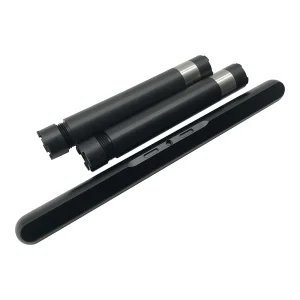
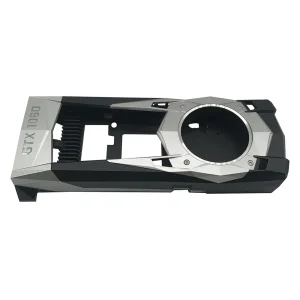
 Xiang Xin Yu