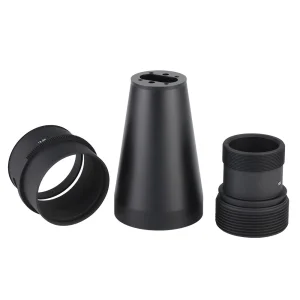
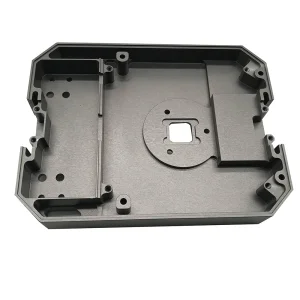
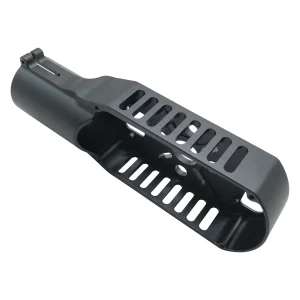
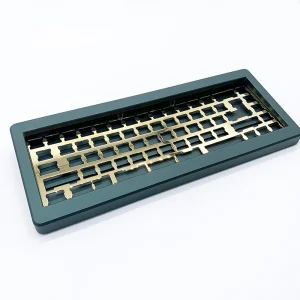
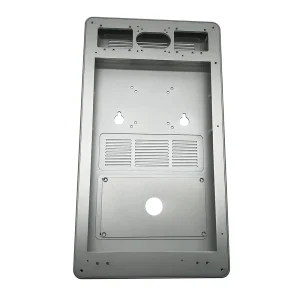
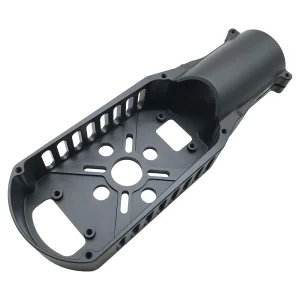
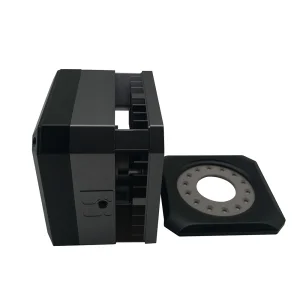
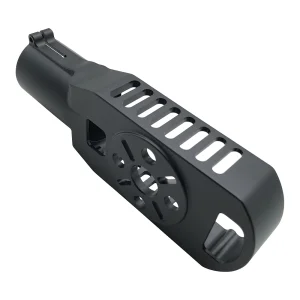
Explore our premium 5-axis manufacturing products designed for highly complex engineering applications, rapid metal prototyping, and micro-tolerance performance.
Shenzhen Xiang Xin Yu Technology Co., Ltd. is a high-tech manufacturing enterprise specializing in state-of-the-art CNC machining. Over years of development, we have established our position as a leader in technical innovation, system integration, and advanced multi-axis machining technologies. Our precision machine shop features multi-axis configuration systems configured for complex geometries and rigorous geometric dimensioning and tolerancing (GD&T).
We are equipped with advanced CNC machine tools and inspection equipment, allowing us to process extremely complex components. Our work spans critical components in the aerospace sector, high-durability parts for automotive systems, biological-grade components for medical instruments, and micro-structures for the electronics sector. Supported by our quality control and manufacturing processes, we deliver engineering services that match your specifications.
Our business relies on technical development and talent cultivation. Our engineers continuously optimize machining pathways, cycle times, and tool paths to improve surface finishes and cost efficiency. Xiang Xin Yu Technology works closely with clients, offering custom technical solutions and logistics support from receipt of order to final qualification inspection.
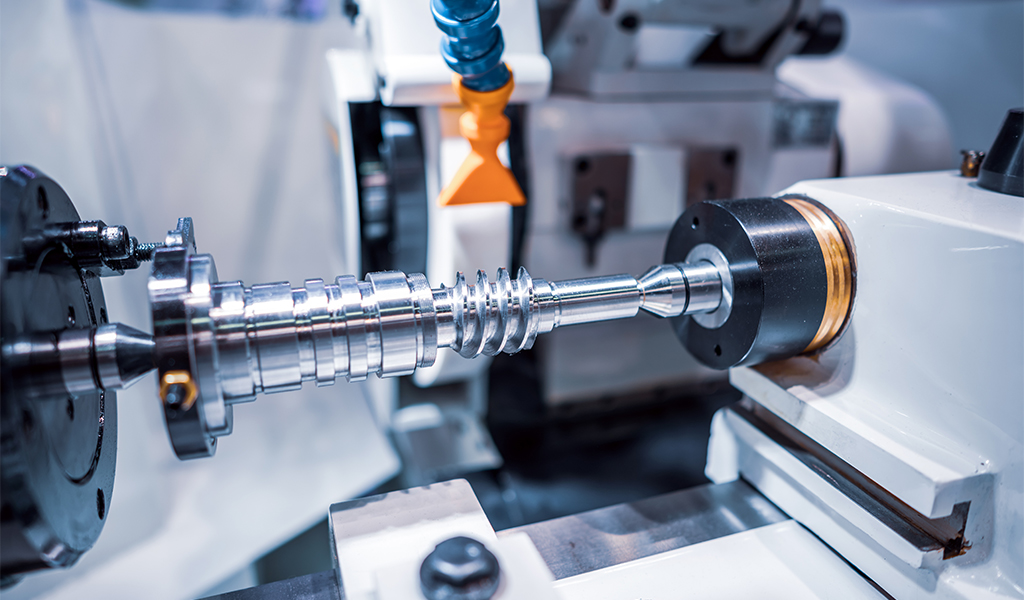
A comprehensive overview of contemporary multi-axis CNC technology, shifting procurement requirements, and the digital transformation of modern manufacturing.
In modern manufacturing, complexity and speed of delivery determine competitive advantage. Standard three-axis systems, which operate in the X, Y, and Z planes, often require multiple setups to machine complex features. Each additional setup increases positioning error stackup and labor costs.
Five-axis machining adds two rotational axes, typically selected from A (rotation about X), B (rotation about Y), or C (rotation about Z). This setup allows the tool to approach the workpiece from any direction. The transition from indexing (3+2 axis) to simultaneous 5-axis motion enables continuous adjustment of the tool angle relative to the surface. This capability is useful for machining dynamic curvatures, undercut profiles, and aerodynamic surfaces such as impellers, turbine blades, and defense-grade component housings.
New tooling developments, dynamic CAM algorithms, and high-frequency spindles have enabled 5-axis systems to work with hard materials like Titanium alloys (Grade 5 Ti-6Al-4V), Inconel 718, and medical-grade cobalt-chrome. This technology achieves finishes with minimal surface roughness, reducing the need for manual post-processing.
Procurement teams in regions like the US, Europe, and Asia-Pacific require suppliers to meet strict performance, compliance, and supply chain criteria. High-precision manufacturing sourcing is no longer decided on per-part pricing alone. Key requirements include:
The manufacturing hub of Shenzhen, China, has transitioned from high-volume assembly to precision engineering and Industry 4.0 integration. High-precision factories like Shenzhen Xiang Xin Yu Technology Co., Ltd. leverage a dense local supply chain network to optimize production times.
This ecosystem coordinates raw material supply, heat treating, surface treatment (such as hard anodizing, passivation, and PVD coating), and quality verification within a close geographic radius. We utilize automated machining centers, remote system monitoring, and coordinate measuring machines (CMM) to maintain high efficiency and quality throughout production runs.
Our guiding values drive our continuous improvement, manufacturing quality, and long-term client relationships.
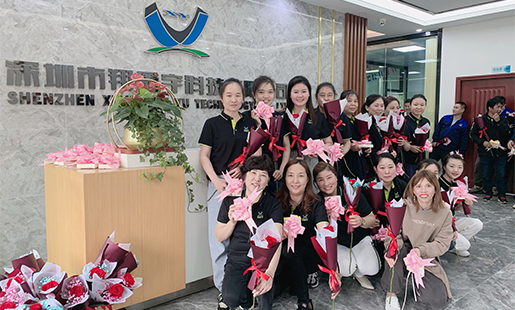
We encourage employees to continuously explore new processing methods and technologies to improve production efficiency and product quality and meet the changing needs of customers.
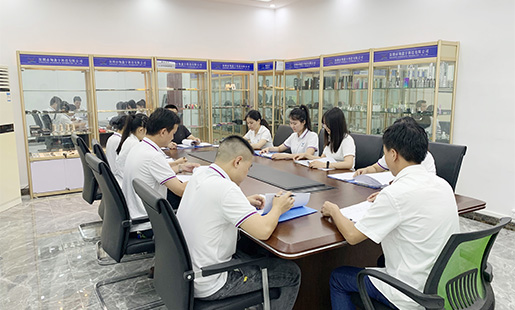
We pursue excellent quality, strictly control every processing link, and strive for zero defects to provide customers with the best products.
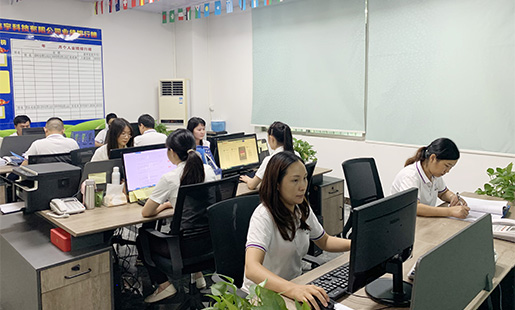
Team members support and collaborate with each other, jointly overcome difficulties, share experiences and knowledge, and form a strong whole.
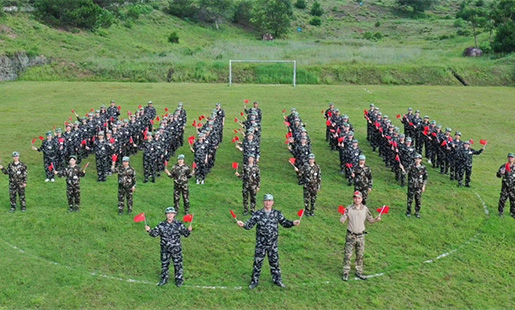
Establish honest and cooperative relationships with customers and suppliers, keep promises, and treat every business with honesty and fairness.
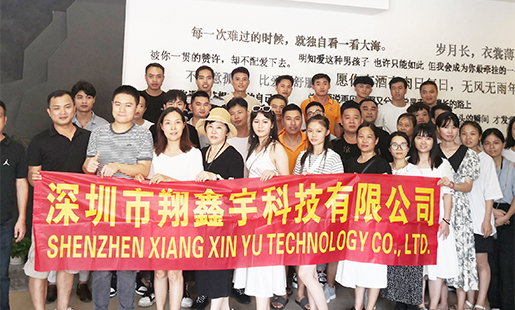
We are well aware that every product is related to the interests and safety of customers. Therefore, we always maintain a high sense of responsibility and take every job seriously.
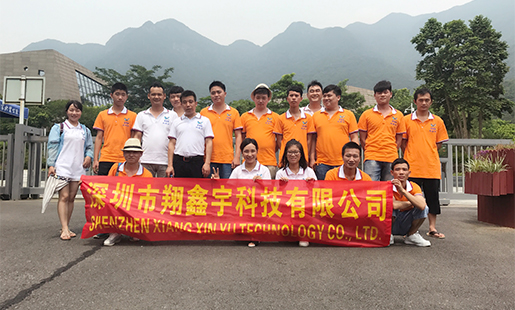
Respect the personality and ideas of each employee, provide a good development space for employees, and also respect the needs and opinions of customers.
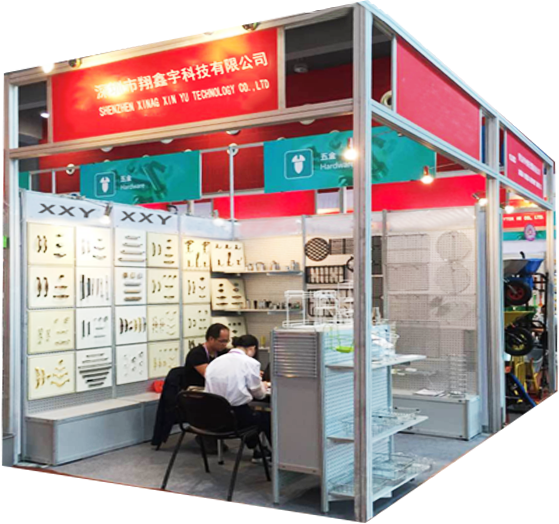
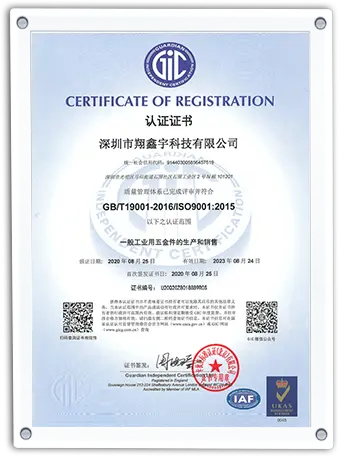
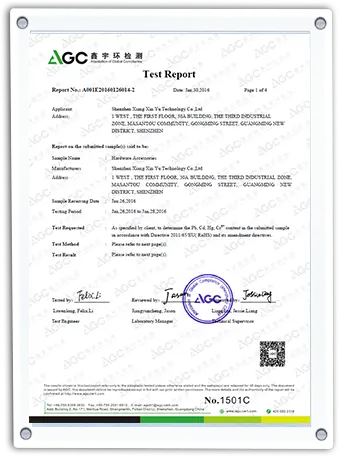
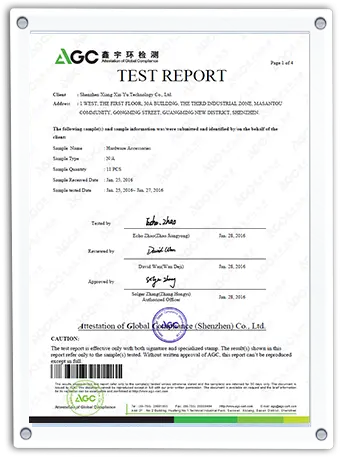
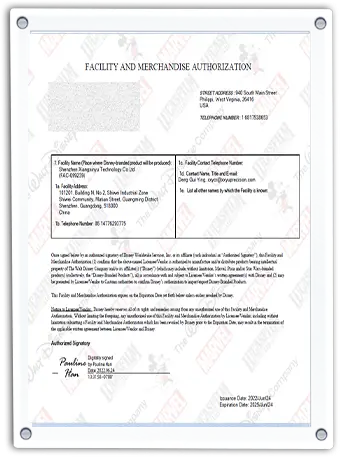
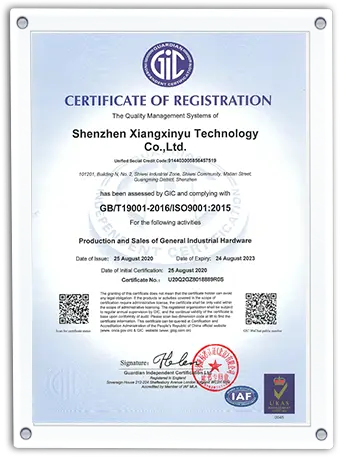
Our technical capabilities and employee training standards are verified by professional certifications. We implement strict quality control from raw material receipt through final product packaging.
Our facility maintains compliance protocols for silicones, organosilicone materials, and machined metal components.
Understand the critical parameters of 5-axis operations, quality assurance, and our supply chain services.
Review our specialized tooling capability, precision assemblies, and customizable multi-axis services.
 Xiang Xin Yu