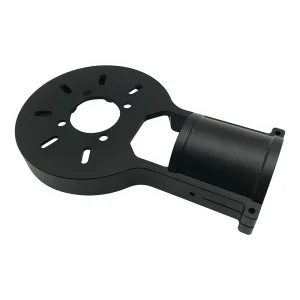
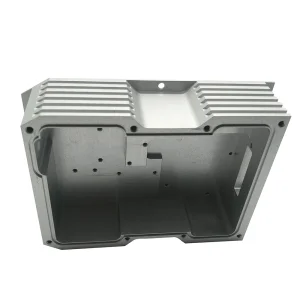
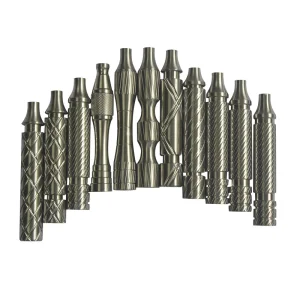
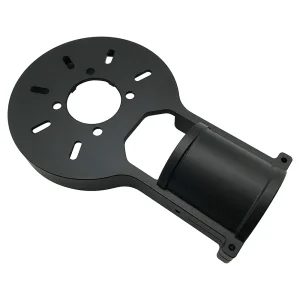
Direct supply line of custom CNC micro-machined parts and specialized mold systems for industrial applications.
Modern metal manufacturing is undergoing a structural paradigm shift. Historically, processing raw titanium, surgical steel, and hardened tool alloys required massive, energy-intensive machining centers that consumed extensive factory floor space. For modern high-mix, low-volume (HMLV) production cycles, rapid prototyping, and specialized component fabrication, these larger installations often introduce inefficiencies.
Custom Small CNC Machines for Metal bridge this operational gap. By optimizing the structural rigidity and dynamic characteristics of a compact frame, factories can achieve volumetric accuracies comparable to heavy bridge mills. This technical whitepaper analyzes the specific mechanical factors, architectural enhancements, and cost-benefit frameworks that make compact CNC systems critical assets for metal factories globally.
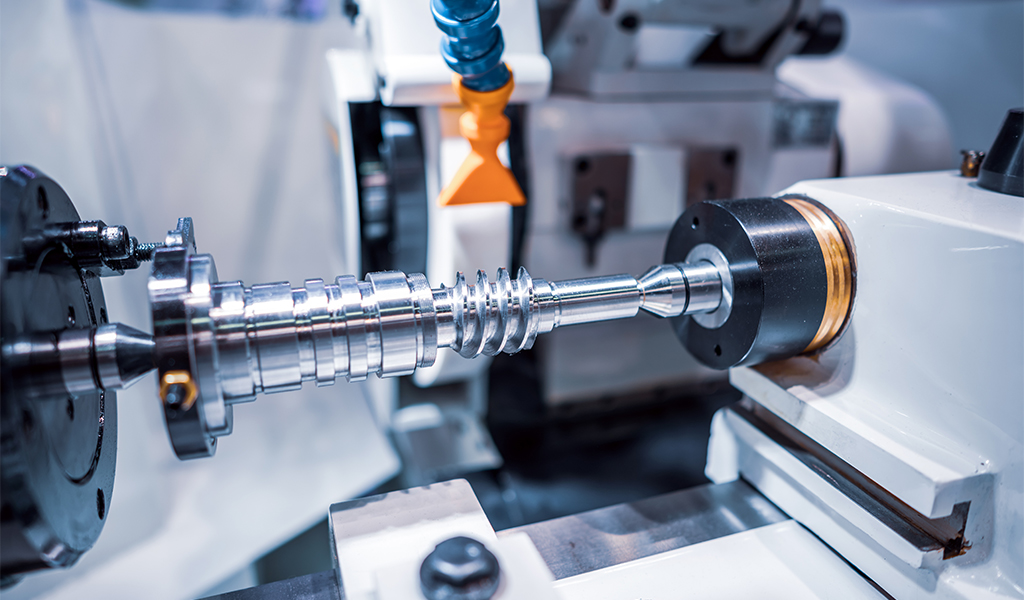
How transitioning to targeted, compact CNC systems directly impacts bottom-line performance and dimensional consistency.
Analyzing the geographical clusters, rapid prototyping pipelines, and vertical integration of the Shenzhen manufacturing ecosystem.
Chinese factories located in manufacturing hubs like Shenzhen maintain immediate access to localized raw casting foundries, linear guide manufacturers, and high-frequency spindle suppliers. This reduces the logistical lag from design change to hardware implementation to a fraction of Western timelines.
Unlike rigid domestic tooling pipelines in high-cost regions, Chinese CNC entities specialize in rapid iteration cycles. Changes to complex zero-flash molds or structural components can be compiled into CAM code, simulated, test-cut, and CMM verified in single-day operations.
The workforce density in the Guangdong industrial corridor consists of veteran CAM programmers, mold makers, and mechanical engineers. This concentration enables manufacturers to offer deep design-for-manufacturing (DFM) input, streamlining production efficiency and avoiding structural design pitfalls before metal is cut.
From digital twin integration to smart micro-machining centers, explore what is shaping high-precision operations.
Modern companies utilize Digital Twin technology to simulate exact toolpath stresses, cutting edge load profiles, and spindle harmonics. By validating these parameters inside a virtual environment before execution, factories eliminate collision risks and maximize micro-tool service lifespans.
Milling hardened metals at micro scale demands high surface speeds. The industry is rapidly adopting hybrid ceramic-bearing spindles operating between 24,000 RPM and 60,000 RPM. This allows tools under 1.0mm in diameter to function at their optimal chip load ranges without fracturing.
Integrating robotic carousel changers with laser tool setter monitoring allows small metal CNC centers to run lights-out operations safely. Automated broken-tool detection algorithms automatically pause execution and switch to backup redundant tooling if wear tolerances are exceeded.
Examining critical component manufacturing where micron-level precision is non-negotiable.
The manufacturing of bone plates, implant fasteners, and surgical scalpel fixtures requires biocompatible metals such as Grade 5 Titanium or 316L Stainless Steel. Small CNC machines with ultra-rigid gantries prevent micro-chatter, ensuring Ra values below 0.4 microns directly off the machine.
RF connectors, wave guides, and structural avionic enclosures require high-density aluminum structures milled to absolute wall thickness tolerances. Implementing temperature-compensated linear scales within a small CNC envelope ensures thermal drift does not affect parts during long machining runs.
Creating compression molds for structural sealants or elastomer engine components demands zero-gap tolerance lines. Custom small-scale CNC machining centers cut hardened H13 tool steel with sub-micron tool stepovers, minimizing post-machining hand polishing and preserving geometric fidelity.
A specialized enterprise with years of industry experience and outstanding technical strength in precision CNC machining.
Shenzhen Xiang Xin Yu Technology Co., Ltd. is equipped with advanced CNC machine tools and equipment, capable of meeting the processing requirements of various complex and precise parts. From key components in the aerospace field to high-precision parts in the automotive industry, from fine components in medical equipment to micro-structural parts in the electronics industry, we deliver high-quality products with exquisite craftsmanship and strict quality control.
We focus on continuous technological innovation and talent cultivation, maintaining an experienced and highly skilled professional team. They constantly explore and research new processing techniques and methods to improve production efficiency and product quality.
In terms of quality control, we have established a perfect quality management system, strictly managing the purchase of raw materials, production process monitoring, and finished product inspection to ensure that each product meets industry standards and customer requirements. In the future, we will continue to uphold the concepts of professionalism, innovation, quality, and service, constantly enhancing our own strength, providing customers with better CNC machining services, and becoming a leading enterprise in the industry.
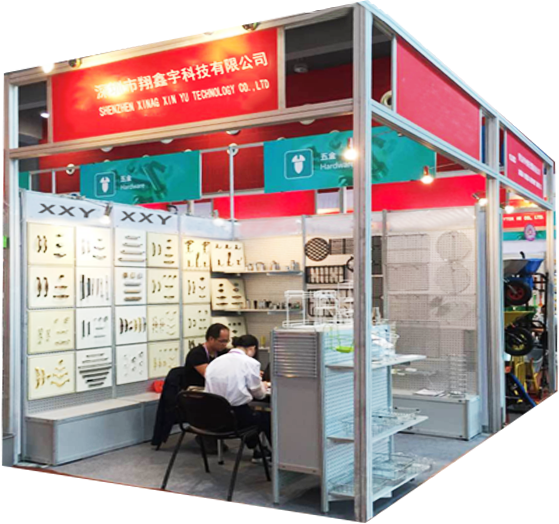
Our organization is built upon foundational core principles that ensure quality output for global client operations.
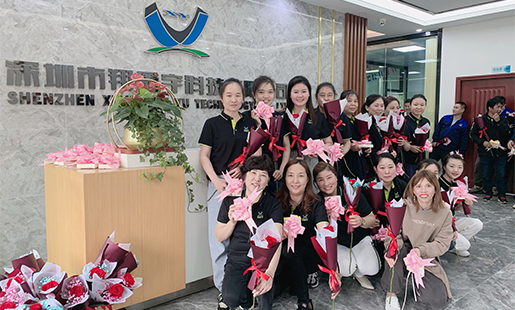
We encourage employees to continuously explore new processing methods and technologies to improve production efficiency and product quality and meet the changing needs of customers.
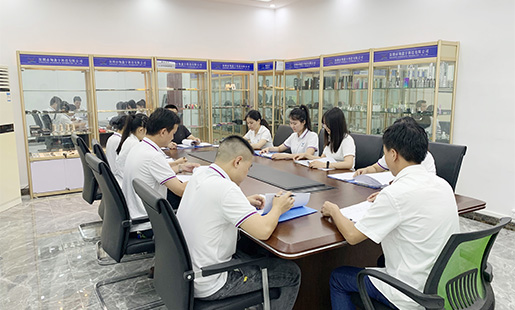
We pursue excellent quality, strictly control every processing link, and strive for zero defects to provide customers with the best products.
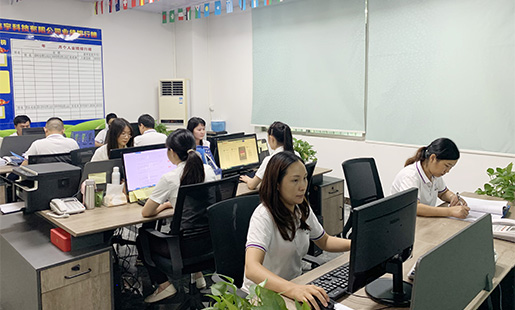
Team members support and collaborate with each other, jointly overcome difficulties, share experiences and knowledge, and form a strong whole.

Establish honest and cooperative relationships with customers and suppliers, keep promises, and treat every business with honesty and fairness.
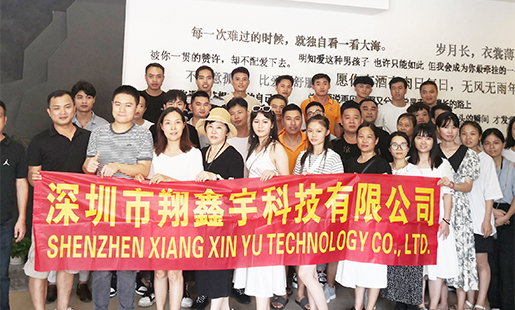
We are well aware that every product is related to the interests and safety of customers. Therefore, we always maintain a high sense of responsibility and take every job seriously.
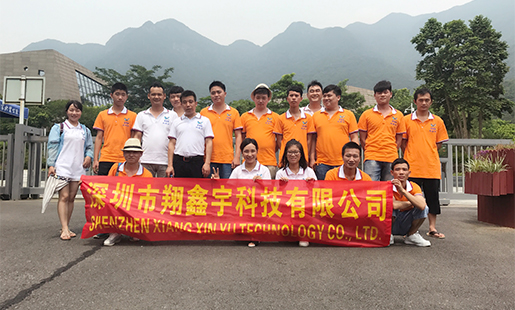
Respect the personality and ideas of each employee, provide a good development space for employees, and also respect the needs and opinions of customers.
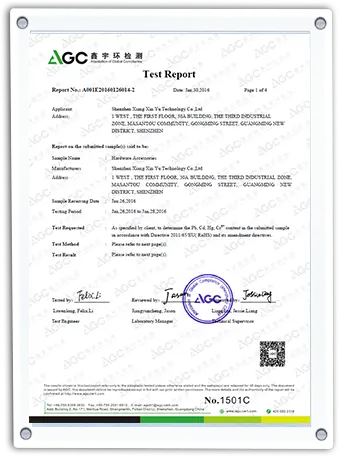
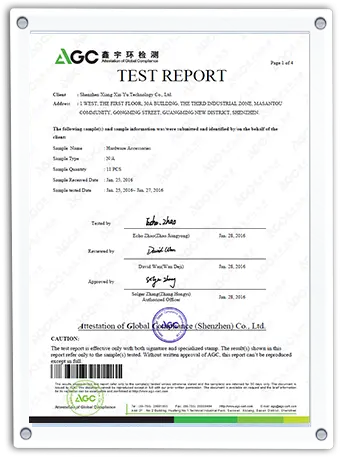
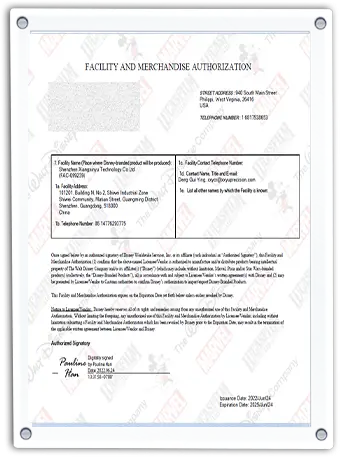
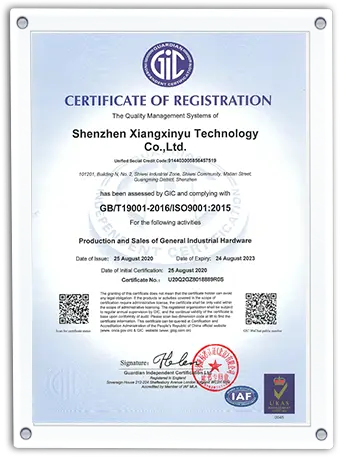
Certified direct factory solutions validating our material traceability and operational excellence.
Professional Framework & Skill Credentials: Our team members maintain credentials in CNC Lathe Operations, CNC Milling, Machining Center Operations, CAD/CAM masteries (MasterCAM, UG), alongside ISO 9001 internal auditor qualifications.
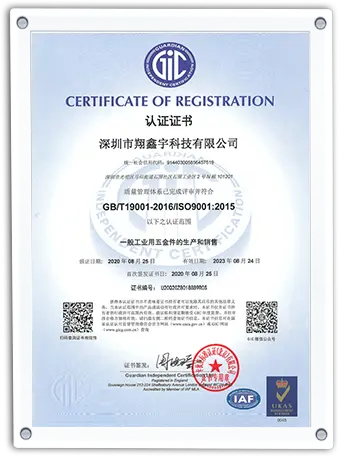
Crucial engineering insights regarding operational capabilities, dimensional tolerances, and design specifications.
Explore our multi-axis setups, surface finishing capabilities, and rapid metal tooling services.
 Xiang Xin Yu