Explore our foundational system components engineered to micron-level accuracy
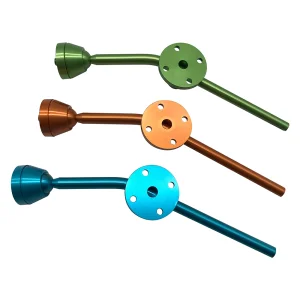
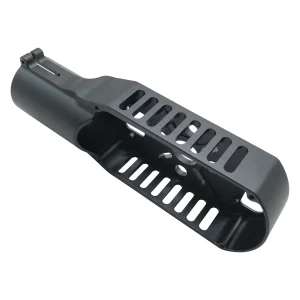
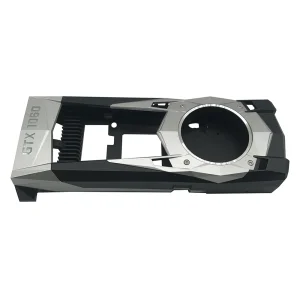
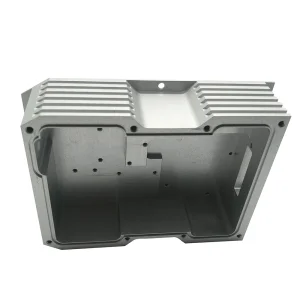
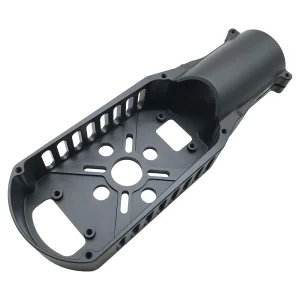
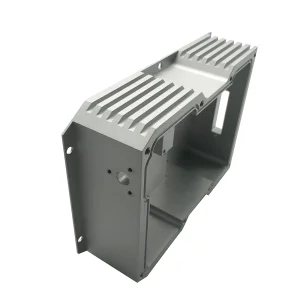
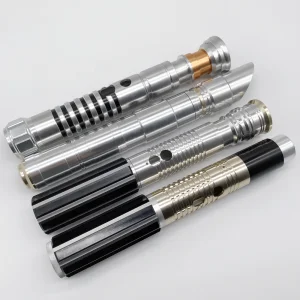
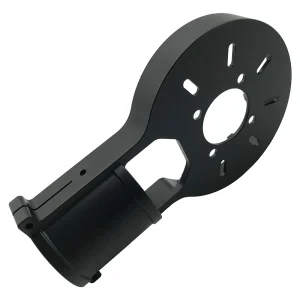
Shenzhen Xiang Xin Yu Technology Co., Ltd. is an enterprise specializing in CNC machining, with many years of industry experience and outstanding technical strength. We are equipped with advanced CNC machine tools and equipment, which can meet the processing requirements of various complex and precise parts. From key components in the aerospace field to high-precision parts in the automotive industry, from fine components in medical equipment to micro-structural parts in the electronics industry, we can provide customers with high-quality products with exquisite craftsmanship and strict quality control.
The company focuses on technological innovation and talent cultivation, and has an experienced and highly skilled professional team. They constantly explore and research new processing techniques and methods to improve production efficiency and product quality. We always adhere to the customer-centered approach, deeply understand customer needs, and provide customers with customized solutions and all-round service support. From order receipt to product delivery, every link is strictly controlled to ensure the timely delivery of high-quality products.
In terms of quality control, we have established a perfect quality management system and strictly manage the purchase of raw materials, production process monitoring and finished product inspection to ensure that each product meets industry standards and customer requirements. In the future, we will continue to uphold the concepts of professionalism, innovation, quality and service, constantly enhance our own strength, provide customers with better CNC machining services, and become a leading enterprise in the industry.
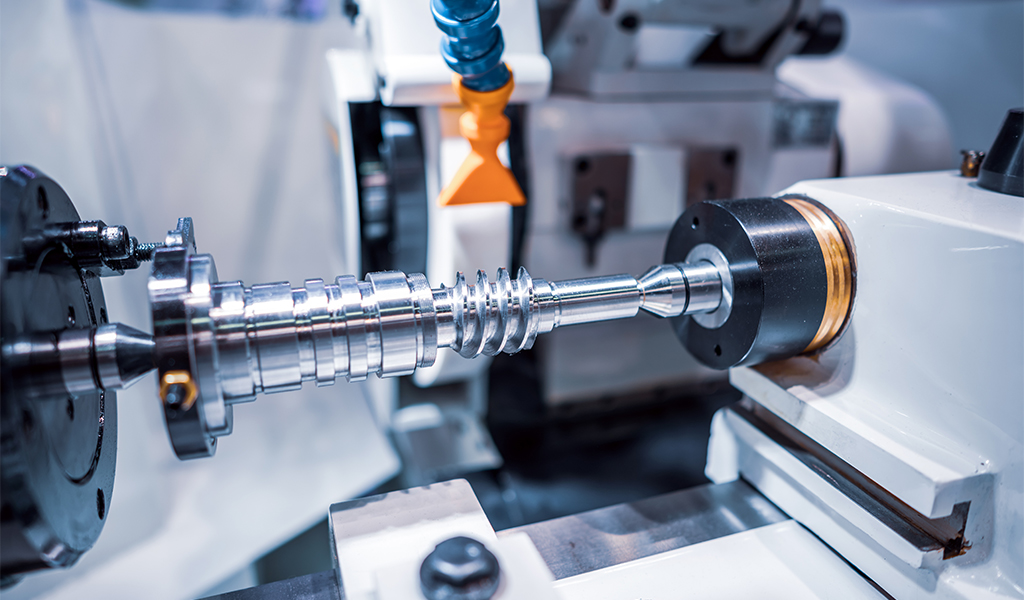
Developing industry-leading engineering strategies based on foundational pillars of trust and performance
We are a professional CNC machining company, and our corporate culture is built on the following core values:
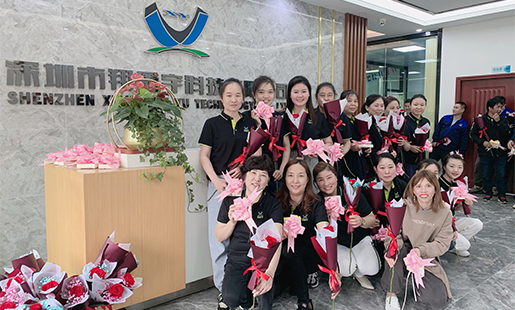
We encourage employees to continuously explore new processing methods and technologies to improve production efficiency and product quality and meet the changing needs of customers.
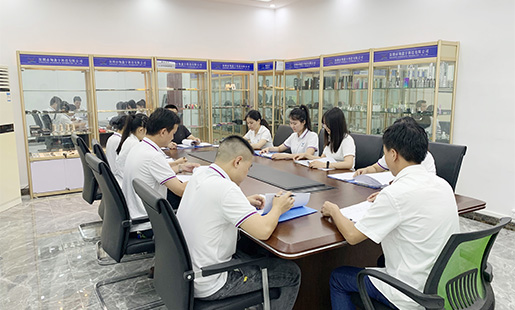
We pursue excellent quality, strictly control every processing link, and strive for zero defects to provide customers with the best products.
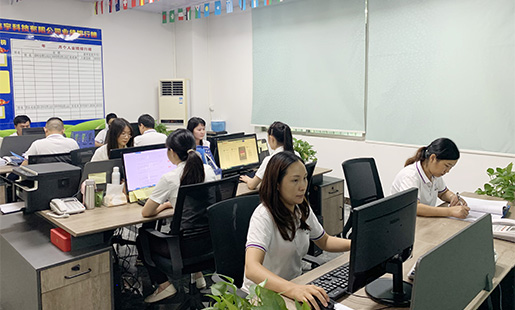
Team members support and collaborate with each other, jointly overcome difficulties, share experiences and knowledge, and form a strong whole.

Establish honest and cooperative relationships with customers and suppliers, keep promises, and treat every business with honesty and fairness.
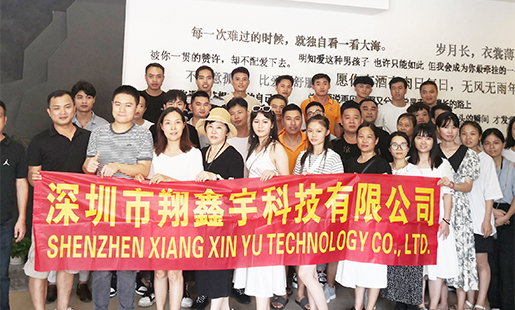
We are well aware that every product is related to the interests and safety of customers. Therefore, we always maintain a high sense of responsibility and take every job seriously.
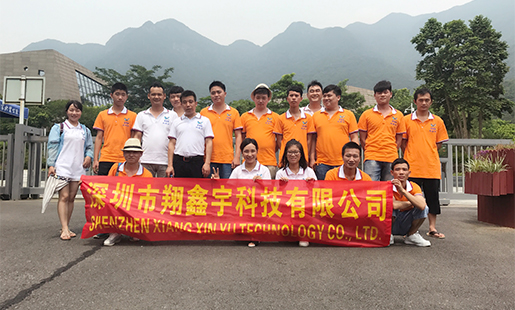
Respect the personality and ideas of each employee, provide a good development space for employees, and also respect the needs and opinions of customers.
In-depth structural breakdown of material sciences, regional manufacturing advantages, and global trends
Machining stainless steel alloys (such as Austenitic grades 304 and 316, or Martensitic grades 410 and 420, alongside precipitation-hardening superalloys like 17-4 PH) requires extensive structural understanding of the material's physics. Stainless steel is renowned for its durability, oxidation resistance, and toughness. However, these properties also present specific engineering challenges on the shop floor: high mechanical shear resistance, rapid work hardening tendencies, and elevated heat accumulation near the cutting edge.
During the subtractive CNC process, the plastic deformation of stainless steel demands high energy, which converts to heat. Because stainless steel possesses poor thermal conductivity relative to carbon steel or aluminum, this thermal energy concentrates directly on the carbide cutter. Consequently, advanced thermal management is essential. Utilizing high-pressure coolant delivery systems directly at the chip-tool interface, combined with cutting-edge tool coatings such as Titanium Aluminum Nitride (TiAlN) or Aluminum Titanium Nitride (AlTiN), maintains cutting geometry integrity and extends tool life.
The southern manufacturing corridor of China, particularly within the Shenzhen industrial cluster, offers unmatched logistical and engineering integration. For global OEMs, procurement from China is no longer merely a cost-reduction strategy, but rather an acceleration of time-to-market. The regional concentration of raw material refinement, rapid CAD-to-prototype conversions, and specialized secondary processing facilities creates a highly efficient manufacturing hub.
Furthermore, China-based facilities like Shenzhen Xiang Xin Yu Technology Co., Ltd. leverage advanced automation, multi-axis machining centers (3-axis, 4-axis, and simultaneous 5-axis setups), and automated coordinate measuring machines (CMM) to minimize human error. These elements, combined with local engineering talent, ensure that complex geometry designs are converted to physical components with high precision, maintaining competitive pricing even for small-to-medium manufacturing volumes.
| Material Designation | Tensile Strength (MPa) | Machinability Rating | Common Industry Applications | Key Machining Challenge |
|---|---|---|---|---|
| AISI 304 (Austenitic) | 505 Min | 45% of 1212 Steel | Food equipment, chemical vessels, tubing | Work hardening, high ductility |
| AISI 316 (Austenitic) | 515 Min | 40% of 1212 Steel | Marine fittings, surgical implants, pharmaceutical | Pitting resistance, high tool friction |
| 17-4 PH (Precipitation Hardening) | 1100-1300 (H900) | 48% of 1212 Steel | Aerospace shafts, turbine blades, valve shafts | Abrasive wear on cutting tools |
| AISI 420 (Martensitic) | 650 Min (Annealed) | 55% of 1212 Steel | Surgical instruments, industrial cutlery, plastic molds | Heat treatment dimensional distortion control |
As industrial automation, medical robotics, and new energy vehicles scale globally, custom CNC machining components must adapt to new design paradigms. A notable macro development is the utilization of Digital Twin Systems to simulate milling pathways prior to tool-to-workpiece contact. This predictive programming reduces setup errors and optimizes spindle load, ensuring zero-defect production cycles.
In addition, sustainable manufacturing practices are shaping the industry. Minimum Quantity Lubrication (MQL) techniques are increasingly replacing traditional flood coolants, significantly lowering fluid footprint while maintaining thermal dissipation. Advanced tooling designs, such as unequal helix endmills and variable pitch indexable cutters, are also being adopted to suppress chatter and vibration during deep pocket milling of stainless steel alloys.
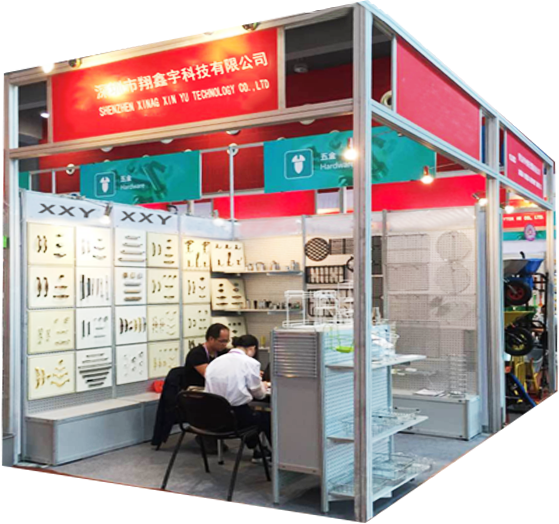
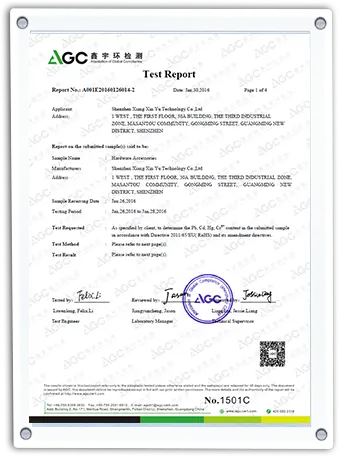
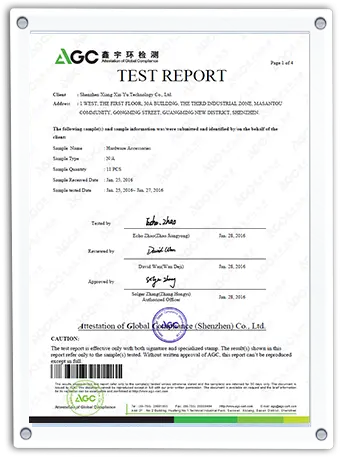
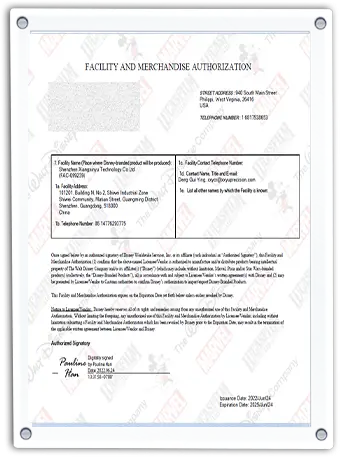
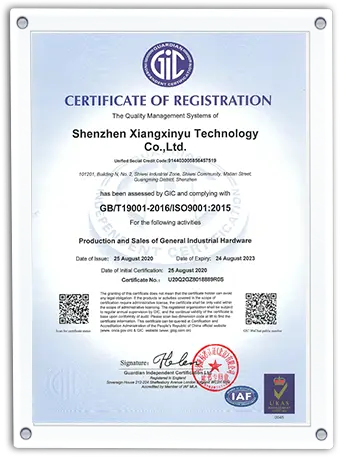
In a CNC machining company, professional certificates are important criteria for measuring the technical strength of the company and the professional quality of employees. Common professional certificates related to CNC machining include:
These professional certificates not only represent the individual professional skills of employees but also reflect the overall technical level and quality assurance ability of the company, helping to enhance the company's competitiveness in the market.
Chinese direct factory for the silicone oil, MM, and other organosilicone materials. Delivering globally compliant manufacturing frameworks.
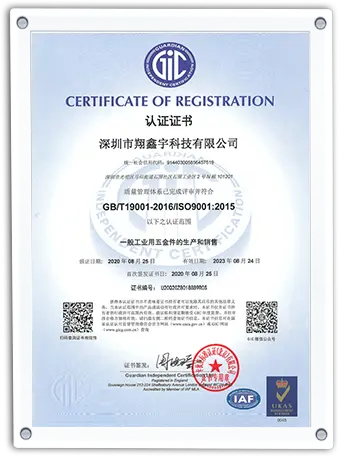
Fulfilling micro-precision requirements across critical global sectors
High strength-to-weight ratio components require strict adherence to dimensional stability. Critical parts such as custom fuel injectors, landing gears, and multi-axis connectors utilize grades like 15-5 PH and 17-4 PH to withstand high mechanical loads and temperature variations without failure.
Biocompatibility is critical for surgical instruments, implantable devices, and laboratory diagnostics. Our production processes utilize passivation techniques and electropolishing on surgical-grade AISI 316L and AISI 420 steels, ensuring corrosion-resistant surfaces that withstand autoclave sterilization cycles.
As high-speed computing, advanced optics, and high-frequency communication systems miniaturize, thermal management and EMI shielding are crucial. Micro-precision machining processes enable ultra-thin walls, custom heatsinks, and specialized shielding structures with micron-level tolerances.
Global procurement teams face complex supply chain challenges, including geopolitical shifts, fluctuating freight costs, and raw material validation concerns. Mitigating these risks requires partnering with manufacturers that utilize transparent production systems. Integrated digital twin simulations and computerized quality reporting allow global engineers to verify dimensional compliance remotely, reducing inspection times upon delivery.
Establishing clear communication during the initial Request for Quote (RFQ) phase is also essential. Providing detailed Geometric Dimensioning and Tolerancing (GD&T) blueprints, specifying alloy grades, and defining critical-to-quality (CTQ) dimensions helps manufacturers optimize fixture setups and tool paths. This upfront alignment shortens production cycles and ensures components meet precise design specifications.
Technical answers to common engineering and sourcing questions regarding CNC stainless steel parts
Explore our high-performance components engineered for specialized industries
 Xiang Xin Yu