In modern engineering, the boundary between rapid prototyping and production has vanished. Traditional procurement processes that took weeks are now compressed into days using digital-first CNC machining pipelines—often referred to in the industry as the Protolabs Machining Model. This dynamic shifts mechanical engineering from physical iterations to software-driven CAD/CAM automation.
Shenzhen Xiang Xin Yu Technology Co., Ltd. adopts this automated philosophy, offering precision, scale, and rapid execution. Utilizing advanced multi-axis machining facilities in Shenzhen, we match the speed of digital quote-to-part ecosystems while maintaining localized factory-floor flexibility. We focus on providing high-tolerance, functional components with direct digital integration, minimizing supply chain bottlenecks.
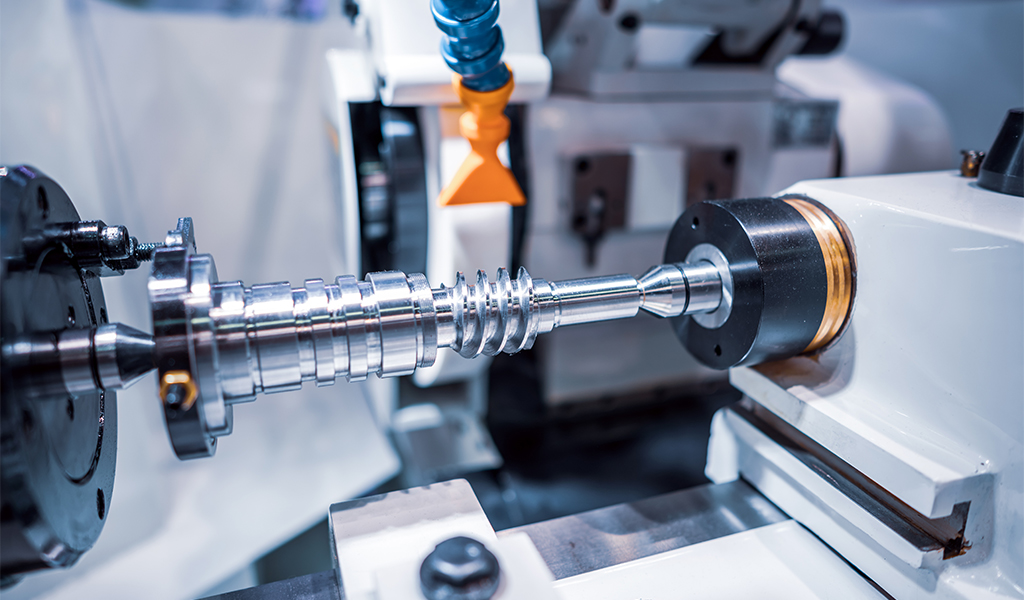
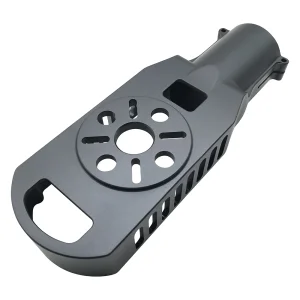
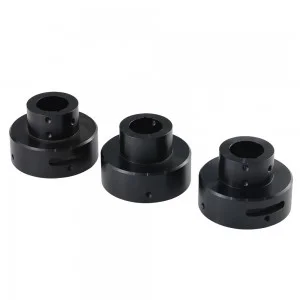
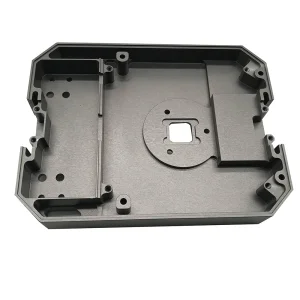
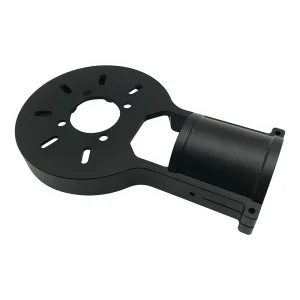
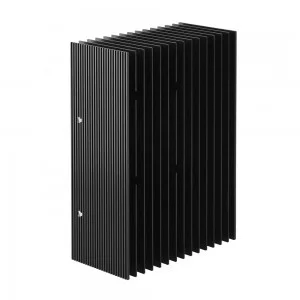
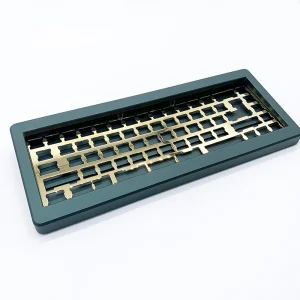
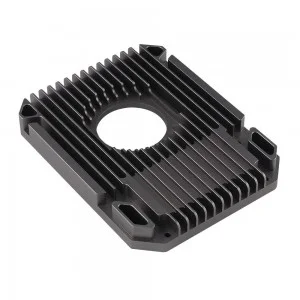
Shenzhen Xiang Xin Yu Technology Co., Ltd. is an enterprise specializing in CNC machining, with many years of industry experience and outstanding technical strength. We are equipped with advanced CNC machine tools and equipment, which can meet the processing requirements of various complex and precise parts. From key components in the aerospace field to high-precision parts in the automotive industry, from fine components in medical equipment to micro-structural parts in the electronics industry, we can provide customers with high-quality products with exquisite craftsmanship and strict quality control.
The company focuses on technological innovation and talent cultivation, and has an experienced and highly skilled professional team. They constantly explore and research new processing techniques and methods to improve production efficiency and product quality. We always adhere to the customer-centered approach, deeply understand customer needs, and provide customers with customized solutions and all-round service support. From order receipt to product delivery, every link is strictly controlled to ensure the timely delivery of high-quality products.
In terms of quality control, we have established a perfect quality management system and strictly manage the purchase of raw materials, production process monitoring and finished product inspection to ensure that each product meets industry standards and customer requirements. In the future, we will continue to uphold the concepts of professionalism, innovation, quality and service, constantly enhance our own strength, provide customers with better CNC machining services, and become a leading enterprise in the industry.
Why global OEMs are migrating high-performance rapid tooling programs to qualified Shenzhen hubs.
Shenzhen's industrial ecosystem offers immediate access to a vast catalog of engineering plastics, high-strength aluminums (6061-T6, 7075-T651), surgical stainless steels (316L, 17-4 PH), and specialty titanium alloys (Ti-6Al-4V). Raw stock sourcing that takes weeks in Western hubs is executed in hours, reducing production lead times.
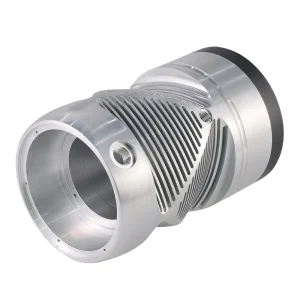
Unlike standard machine shops, Chinese direct-export factories leverage integrated high-speed 3-axis, 4-axis, and simultaneous 5-axis machining systems. This equipment setup allows complex geometries, deep undercuts, and thin-walled profiles to be machined in a single setup, improving dimensional accuracy and reducing tool deflection.
Our machining workflow features an array of in-house surface treatment options, including Type II & III anodizing, bead blasting, chemical passivation, powder coating, electroplating, and laser engraving. This provides a single-source manufacturing workflow, eliminating third-party transit damage risks and lowering costs.
The CNC machining sector is evolving rapidly to meet modern hardware demands. The integration of AI-driven CAM programming has minimized toolpath errors, allowing automated quoting systems to predict tool wear and surface finish options during the design phase. As sustainability becomes a core operational requirement, high-yield material recycling and RoHS compliance are standard expectations for modern manufacturing partners.
Furthermore, the convergence of additive manufacturing and subtractive CNC machining—known as hybrid manufacturing—allows for components with internal lattices and fine-machined mating surfaces. Shenzhen Xiang Xin Yu Technology remains at the forefront of these transitions, updating machine tools and software profiles to align with global engineering workflows.
We are a professional CNC machining company, and our corporate culture is built on core values that guide our engineering standards and client partnerships:
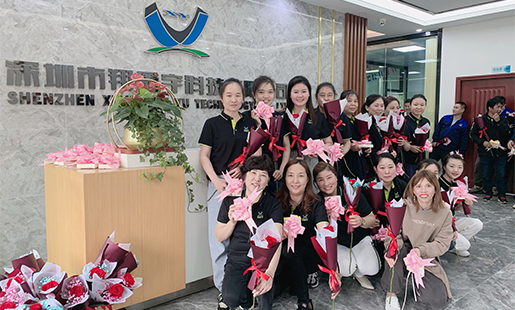
We encourage employees to continuously explore new processing methods and technologies to improve production efficiency and product quality and meet the changing needs of customers.
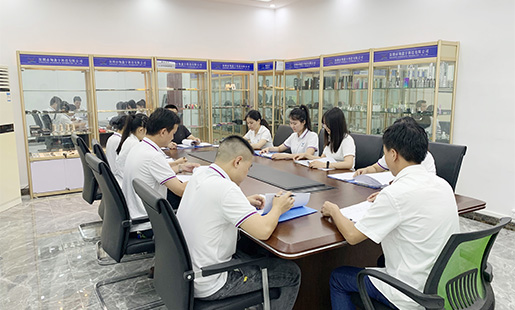
We pursue excellent quality, strictly control every processing link, and strive for zero defects to provide customers with the best products.
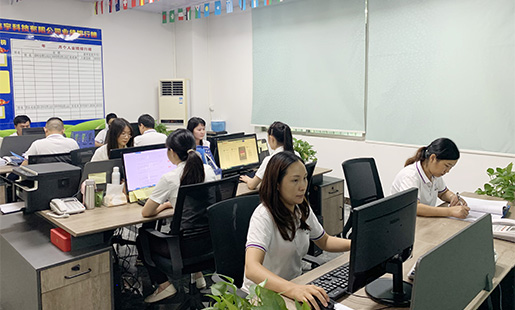
Team members support and collaborate with each other, jointly overcome difficulties, share experiences and knowledge, and form a strong whole.

Establish honest and cooperative relationships with customers and suppliers, keep promises, and treat every business with honesty and fairness.
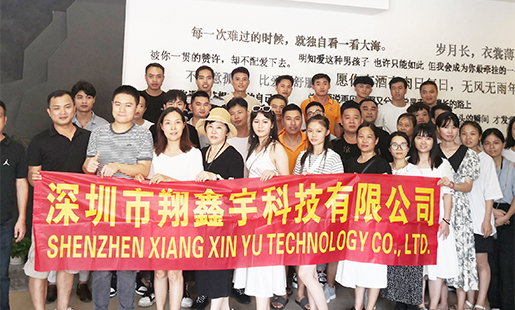
We are well aware that every product is related to the interests and safety of customers. Therefore, we always maintain a high sense of responsibility and take every job seriously.
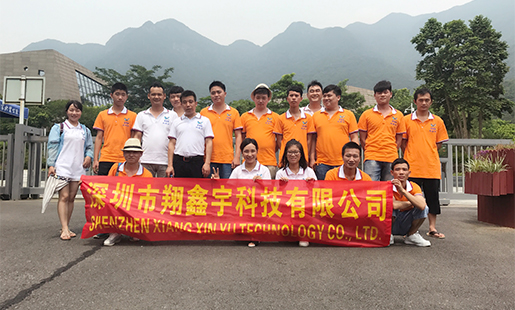
Respect the personality and ideas of each employee, provide a good development space for employees, and also respect the needs and opinions of customers.
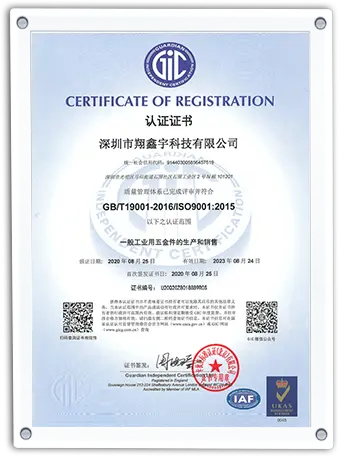
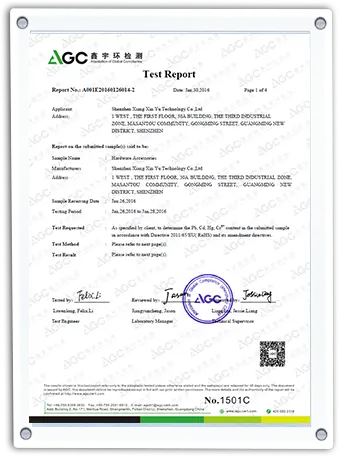
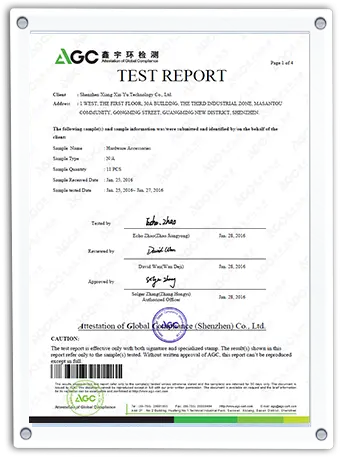
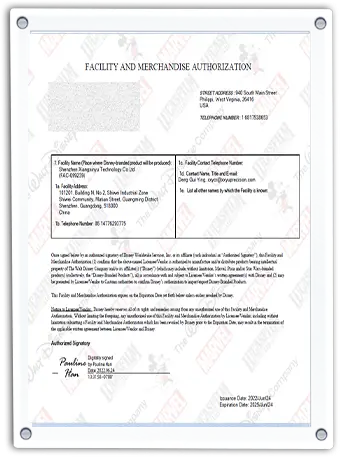
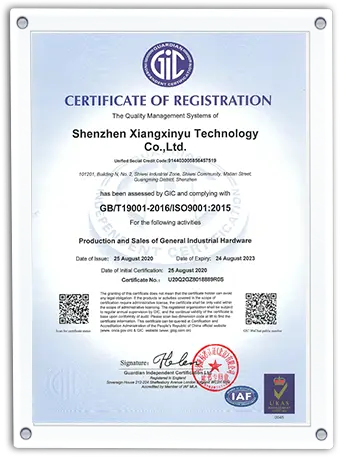
In high-tolerance manufacturing, professional validation serves as the standard for measuring process capability. Our facility and production staff hold certifications that ensure reliability across aerospace, medical, and defense contracts:
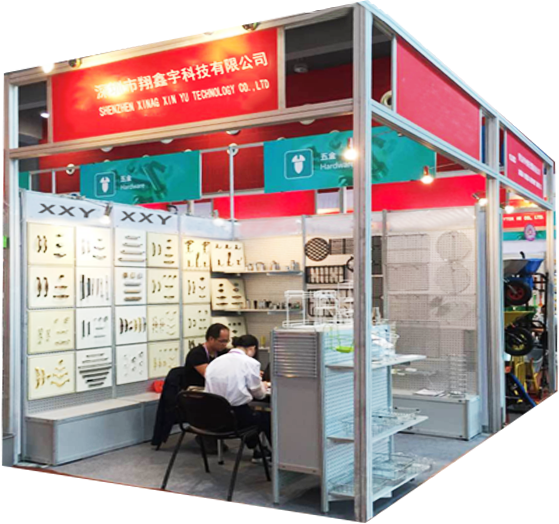
Direct manufacturer testing reports verifying compliance and material purity:
Supporting global hardware development with high-fidelity, end-use components.
We manufacture lightweight structural components, engine valve bodies, titanium fasteners, and brackets. Our machining operations ensure structural integrity under vibration, maintaining thin walls and precise geometry for aerospace components.
Diffraction-limited optical housings, laser alignment channels, and lens mounts require close control of thermal expansion. Our CNC capabilities provide flatness down to sub-micron levels to eliminate alignment drift in scientific imaging systems.
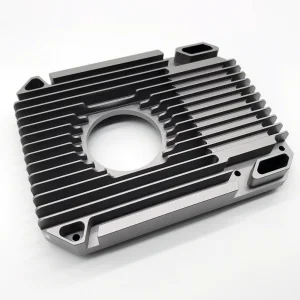
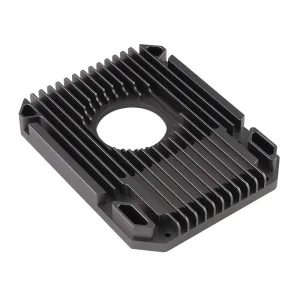
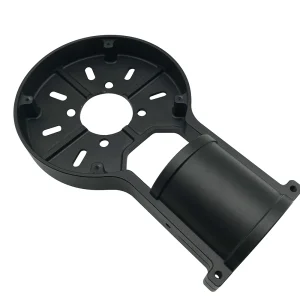
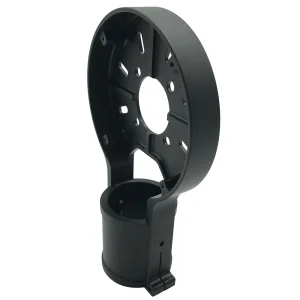
We produce cold plates, motor casings, drive components, and complex power inverter brackets. These structural elements help global EV manufacturers design reliable components for thermal management and high-voltage isolation.
The table below provides a reference of our manufacturing limits, typical material classes, and achievable finishes.
| Manufacturing Process | Supported Materials | Achievable Tolerances | Surface Finishes (Ra) |
|---|---|---|---|
| CNC Milling (3 & 4-Axis) | Aluminum (6061, 7075), Stainless Steel, PEEK, Delrin, Brass | ±0.010 mm (0.0004 in) | Up to 0.8 µm (32 µin) |
| Simultaneous 5-Axis Milling | Titanium Grade 5, Tool Steels, Superalloys, Aerospace Al | ±0.005 mm (0.0002 in) | Up to 0.4 µm (16 µin) |
| CNC Turning & Live Tooling | Steel, Copper Alloys, Plastics, Titanium, Nickel Alloys | ±0.008 mm (0.0003 in) | Up to 0.4 µm (16 µin) |
| Micro-Drilling & Tapping | Most Machinable Metals & Engineering Plastics | ±0.020 mm (0.0008 in) | N/A |
Procuring custom parts globally requires aligning technical specifications and logistics. Our system supports this process through a structured engineering pipeline:
We verify thread engagement, draft angles, radiused internal corners, and tool reach compatibility before machining begins. Our engineers identify and resolve high-risk geometry issues to ensure reliable production.
Every production batch includes mill test reports (MTRs) and chemical composition analysis, ensuring compliance with RoHS standards and material authenticity.
Parts undergo coordinate measuring machine (CMM) analysis, optical comparator inspection, and thread testing. Inspection reports are provided prior to dispatch.
Detailed answers to common questions regarding machining operations, logistics, and quality assurance.
 Xiang Xin Yu