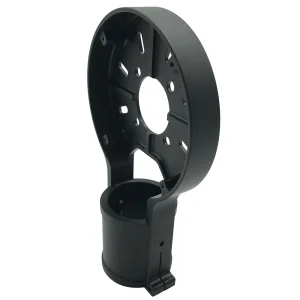
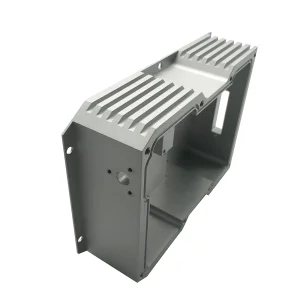
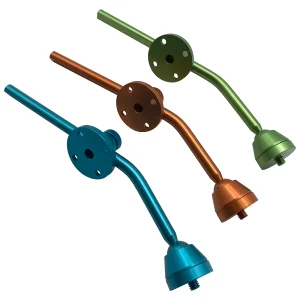
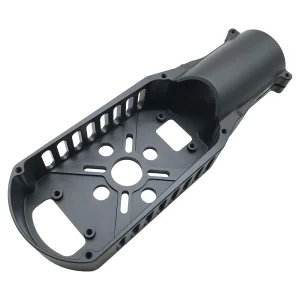
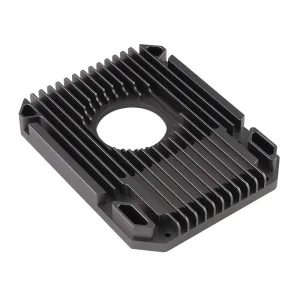
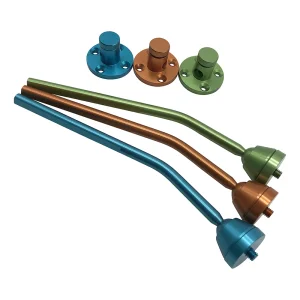
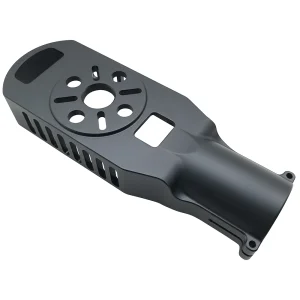
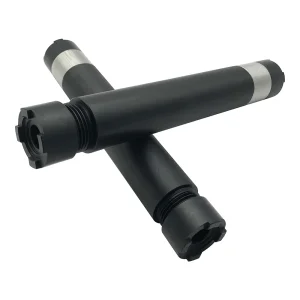
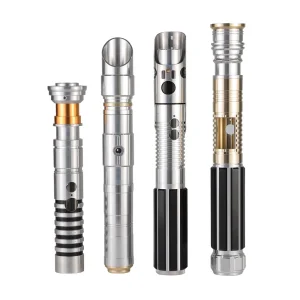
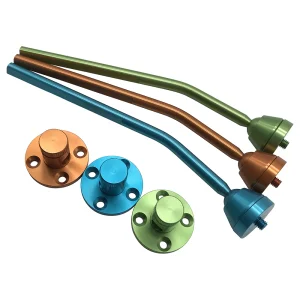
Explore our top-tier customized CNC components engineered for aerospace, medical, electronics, and automotive applications. Underpinned by ISO 9001 and strict E-E-A-T manufacturing standards.
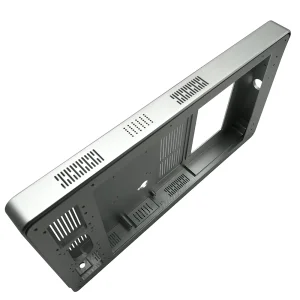
Why 3-axis precision milling remains the commercial foundation of heavy-duty, high-tolerance industrial applications globally.
In an era of hyper-focus on multi-axis machinery, the 3-axis CNC vertical and horizontal milling center remains the undisputed foundation of mechanical fabrication. By translating the workpiece across the fundamental X, Y, and Z Cartesian axes, 3-axis systems offer unparalleled structural rigidity. This mechanical simplicity translates directly to higher clamping pressures, minimised vibration, and exceptional thermal stability.
For procurement directors and design engineers, selecting a custom 3-axis CNC partner is not merely a matter of finding machine time. It is about identifying a partner capable of optimizing feed rates, chip loads, and tool selection to reduce cycle times while maintaining micro-inch geometric dimensions. Structural components for aerospace housings, custom electronic enclosures, and heat sinks are most efficiently machined using high-performance 3-axis configurations.
As global industries demand shorter production cycles, the evolution of 3-axis CNC centers centers around High-Speed Machining (HSM) and adaptive clearing CAM paths. Modern CAD/CAM software allows for trochoidal milling, which maintains a constant tool engagement angle. This limits mechanical stress on the spindle, significantly extends tool life, and enables machining of hardened tool steels and challenging titanium alloys. Furthermore, integrated thermal compensation systems ensure that temperature swings do not disrupt sub-micron tolerances during long-run shifts.
How global supply chain management offices assess risk, qualify vendors, and achieve cost savings without compromising engineering integrity.
In today's geopolitical landscape, supply chain resilience is paramount. Procurement managers are mitigating exposure to disruptions by partnering with agile Chinese contract manufacturers who feature vertical integration. A reliable custom 3-axis CNC supplier must offer more than just machining; they must provide full raw material certification (MTRs), post-processing capabilities (anodizing, passivation, powder coating), and dynamic logistics tracking. By keeping key design, machining, surface finishing, and assembly phases within a single factory ecosystem, risk of quality degradation and transit delays is reduced to near zero.
Bridging the gap between design vision and high-precision physical reality through engineering expertise.
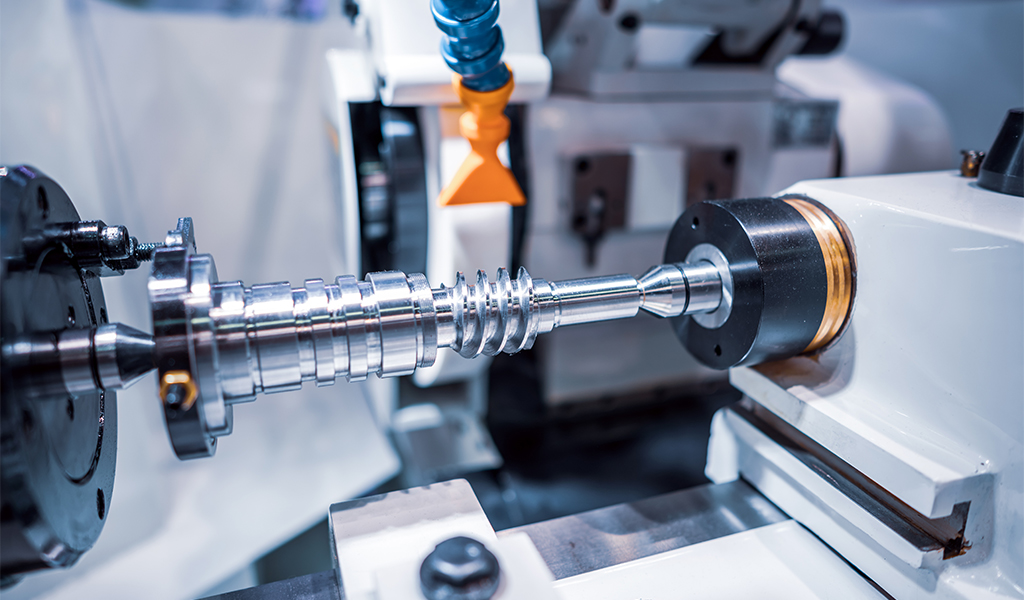
Shenzhen Xiang Xin Yu Technology Co., Ltd. is a premier enterprise specializing in high-precision CNC machining, backed by years of industry experience and deep technical expertise. Our facility is equipped with advanced multi-axis and 3-axis CNC machine tools designed to handle complex geometries and tight tolerance components. From critical structural aerospace parts to surgical-grade medical equipment components, and micro-machined parts for consumer electronics, we deliver exquisite craftsmanship and uncompromising quality control.
Our core philosophy revolves around continuous technological innovation and talent cultivation. Our highly skilled engineering team continuously refines manufacturing processes, implementing advanced CAM strategies and tool path optimization to drive down costs while maximizing product yield. Operating within the heart of China's most advanced manufacturing zone, we provide responsive, cost-effective, and robust custom manufacturing solutions for clients across Europe, the Americas, and APAC.
We believe that operational excellence is a byproduct of organizational alignment and ethical culture.
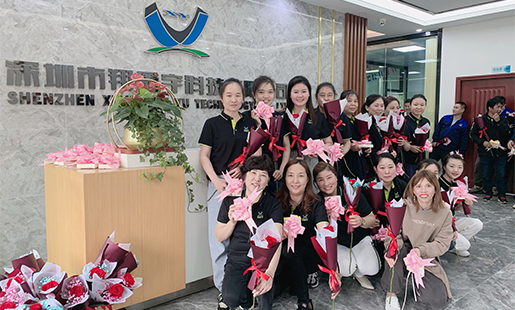
We encourage our team to continuously explore new processing methods, tooling geometries, and software optimization techniques to improve production efficiency and meet the changing needs of customers.
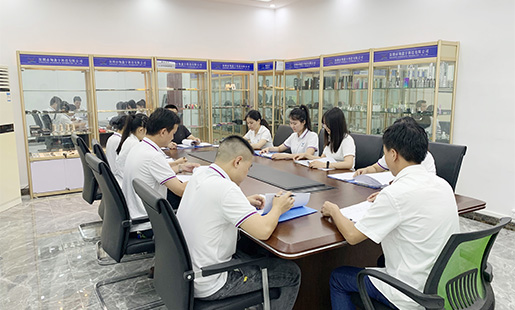
We pursue excellent quality, strictly control every processing link, and strive for zero defects to provide customers with the best products and reliable component performance.

Team members support and collaborate with each other, jointly overcome technical challenges, share experiences and knowledge, and form a strong, unified manufacturing unit.

Establish honest and cooperative relationships with customers and suppliers, keep promises, and treat every business with transparency, fairness, and mutual respect.
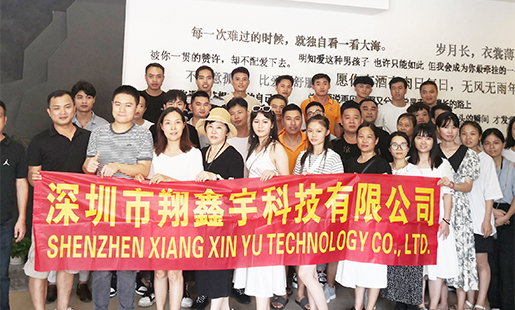
We are well aware that every product is related to the interests and safety of customers. Therefore, we maintain a high sense of accountability and take every job seriously.
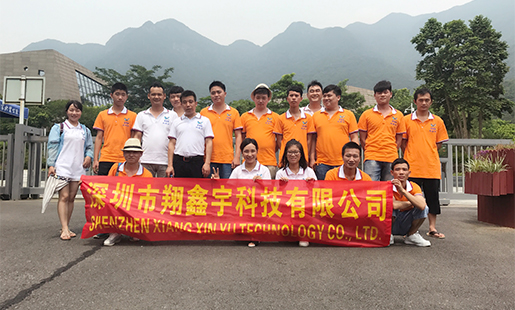
We respect the personality and ideas of each employee, provide robust growth paths, and deeply listen to and respect the unique specifications and feedback of our clients.
Our manufacturing facility operates under strict global compliance protocols. Proving our dedication to quality, accuracy, and RoHS directives.
In a high-precision CNC machining facility, professional certificates are crucial indicators of manufacturing capability and engineering expertise. They guarantee to global procurement leads that every batch will align with the supplied CAD models.
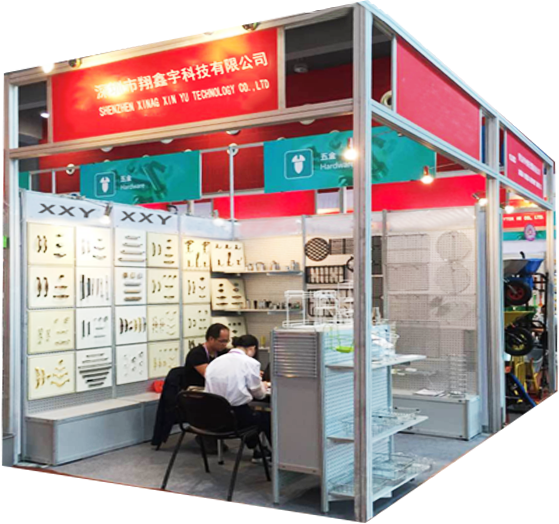
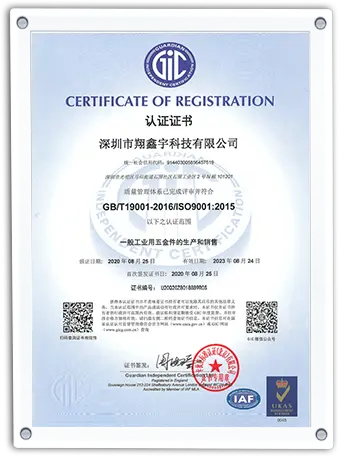
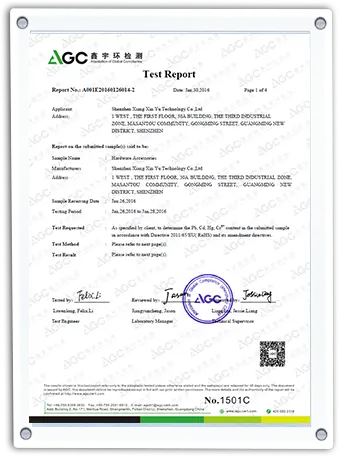
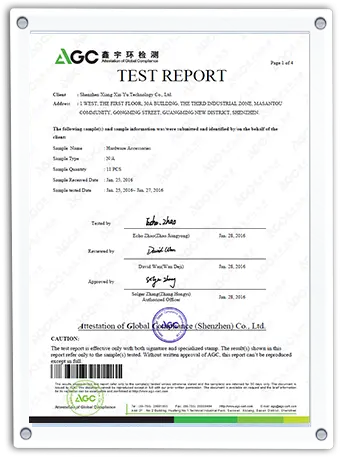
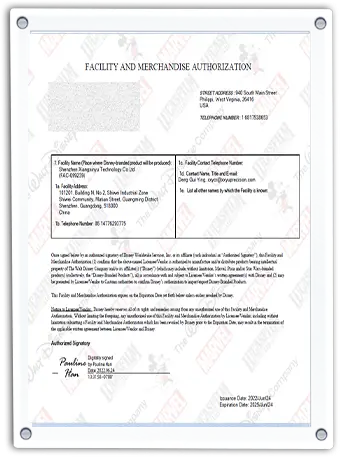
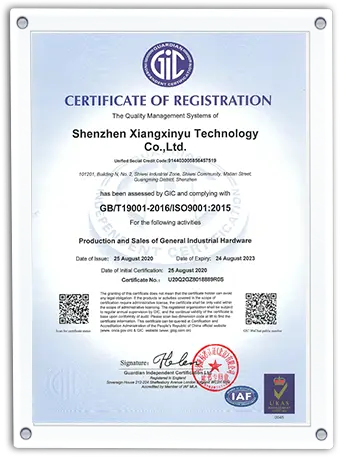
Note: Direct Chinese factory sourcing for silicone oil, MM, and other organosilicone materials, alongside advanced metal and plastic CNC components.
Leveraging automated workflows, rapid prototyping, and clustered supply chains to optimize global distribution.
The transformation of China's industrial base into a smart ecosystem (Industry 4.0) has shifted the focus from simple low-cost assembly to highly automated, data-driven contract manufacturing. By implementing automated tool changers, real-time tool wear monitoring sensors, and digital twin simulations, our factory reduces human error and downtime. This integration provides three critical structural advantages for global buyers:
Our Shenzhen factory is located within a 1-hour logistics circle of material extruders, specialized surface finish providers, and international shipping ports, minimizing lead times.
On-machine measurement probes monitor component dimensions after critical cuts, automatically adjusting the machine offsets to maintain consistency across batches.
Instant access to standard metals (AL6061, 7075, SS304, SS316) and high-performance engineering plastics (PEEK, POM, PTFE) with verified chemical analysis reports.
Use the design reference matrix below to optimize your component files for maximum manufacturability and cost efficiency.
| Material Class | Common Alloys / Plastics | Achievable Tolerances | Surface Finishes (Ra Value) | Typical Industrial Applications |
|---|---|---|---|---|
| Aluminum Alloys | Al 6061-T6, Al 7075-T6, Al 5052 | ±0.005 mm (0.0002 in) | 0.8 to 3.2 μm (As Machined / Anodized) | Aerospace brackets, electronic enclosures, heat sinks |
| Stainless Steel | SS304, SS316L, 17-4 PH | ±0.010 mm | 0.4 to 1.6 μm (Passivated / Polished) | Medical surgical instruments, marine hardware |
| Copper / Brass | C360 Brass, Oxygen-free Copper | ±0.008 mm | 0.8 to 1.6 μm | High-frequency connectors, RF shielding blocks |
| Superalloys / Titanium | Titanium Grade 5 (Ti-6Al-4V) | ±0.012 mm | 0.4 to 1.6 μm | Orthopedic implants, engine components |
| Engineering Plastics | POM (Acetal), PEEK, PTFE, Nylon | ±0.025 mm | 1.6 to 3.2 μm | Electrical insulators, fluidic manifolds, bushings |
Detailed answers to critical engineering, manufacturing, and procurement questions.
High-value, cost-competitive manufacturing configurations designed for sub-micron accuracy, rapid scaling, and specialized electronics integration.
 Xiang Xin Yu