A comprehensive study on quality vectors, custom CNC execution, and strategic partnerships with Chinese OEM suppliers.
In the contemporary landscape of high-performance manufacturing, procurement leaders across sectors like Aerospace, Automotive, Medical Devices, and Opto-electronics face an increasingly complex sourcing matrix. Global enterprises are no longer merely seeking cheap parts; instead, they are shifting their strategic focus towards suppliers offering high precision, reliable supply chain integration, and rapid transition capabilities. The need for precise dimensional stability, fast prototypes, and low-to-high volume transition capacity drives procurement managers to seek specialized partners in established clusters.
China, particularly the Shenzhen and Pearl River Delta region, remains at the center of this dynamic, housing highly integrated ecosystems capable of taking multi-axis machining orders from conceptual CAD designs to high-tolerance physical realities. Modern procurement paradigms place high weight on multi-axis turning-milling composites, low surface roughness (Ra), and strict raw material verification. Operating under stringent compliance codes like RoHS, REACH, and ISO frameworks, manufacturers have adjusted to providing comprehensive documentation to satisfy incoming inspection requirements of global buyers.
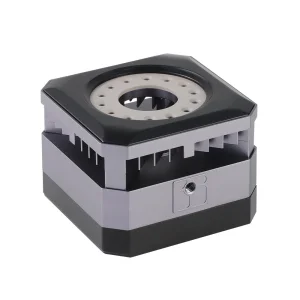
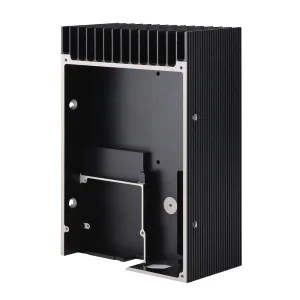
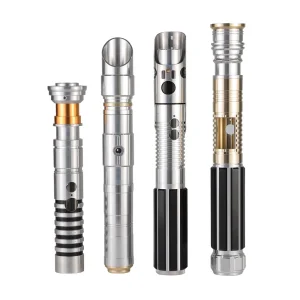
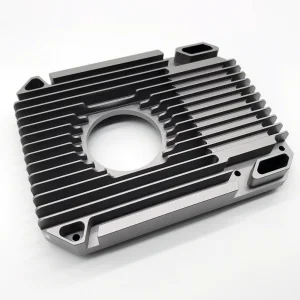
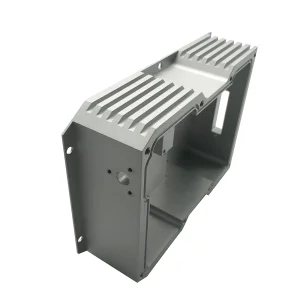
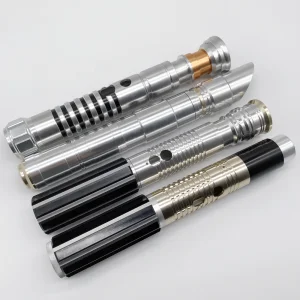
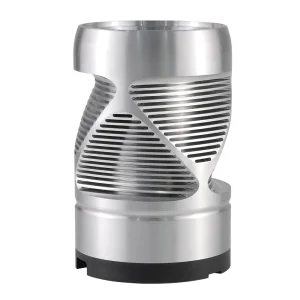
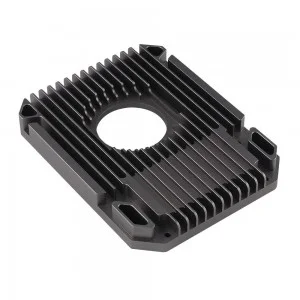
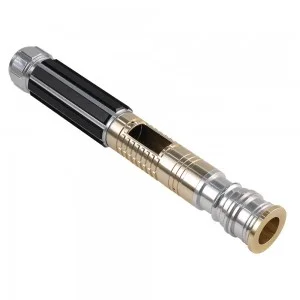
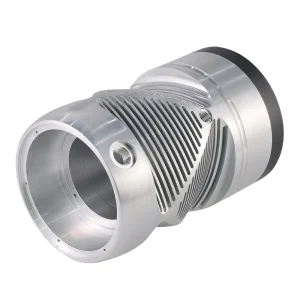
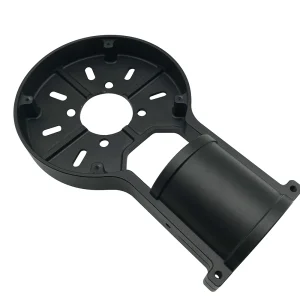
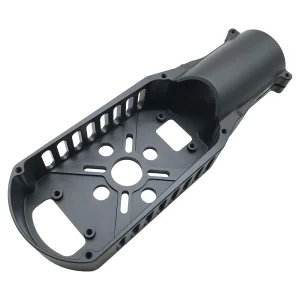
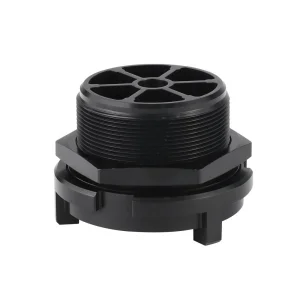
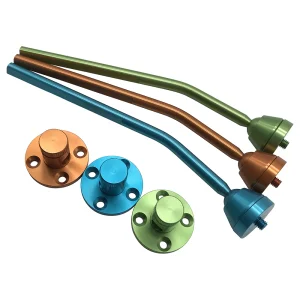
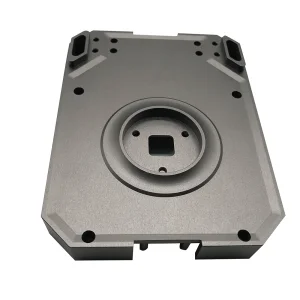
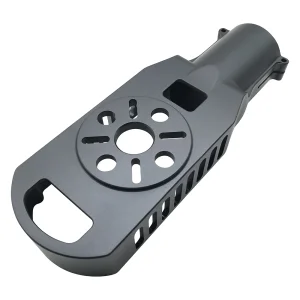
Shenzhen Xiang Xin Yu Technology Co., Ltd. is an enterprise specializing in CNC machining, with many years of industry experience and outstanding technical strength. We are equipped with advanced CNC machine tools and equipment, which can meet the processing requirements of various complex and precise parts. From key components in the aerospace field to high-precision parts in the automotive industry, from fine components in medical equipment to micro-structural parts in the electronics industry, we can provide customers with high-quality products with exquisite craftsmanship and strict quality control.
The company focuses on technological innovation and talent cultivation, and has an experienced and highly skilled professional team. They constantly explore and research new processing techniques and methods to improve production efficiency and product quality. We always adhere to the customer-centered approach, deeply understand customer needs, and provide customers with customized solutions and all-round service support. From order receipt to product delivery, every link is strictly controlled to ensure the timely delivery of high-quality products.
In terms of quality control, we have established a perfect quality management system and strictly manage the purchase of raw materials, production process monitoring and finished product inspection to ensure that each product meets industry standards and customer requirements. In the future, we will continue to uphold the concepts of professionalism, innovation, quality and service, constantly enhance our own strength, provide customers with better CNC machining services, and become a leading enterprise in the industry.
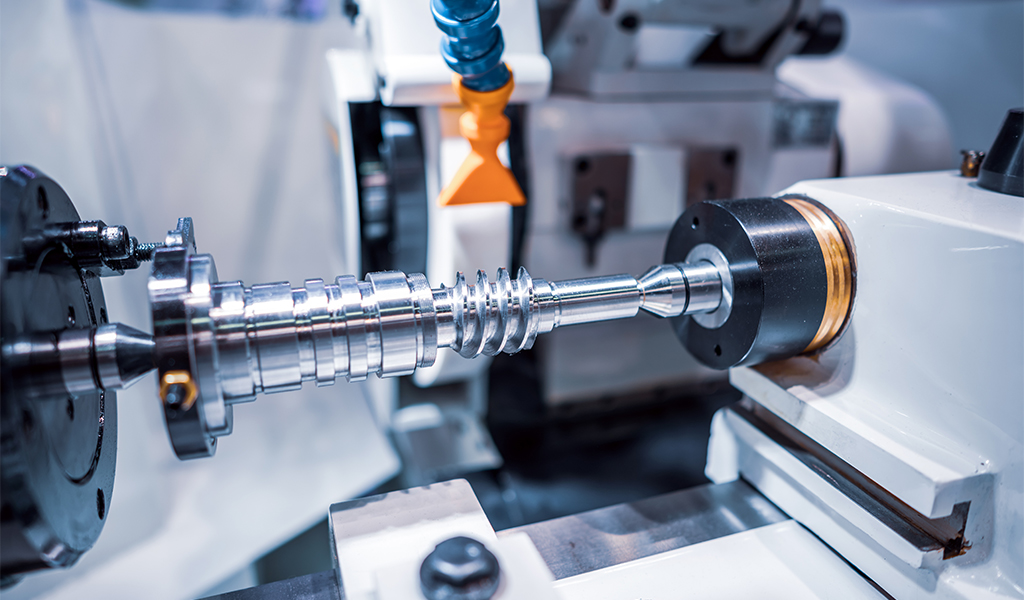
We are a professional CNC machining company, and our corporate culture is built on the core values that ensure consistency, innovation, and client trust:
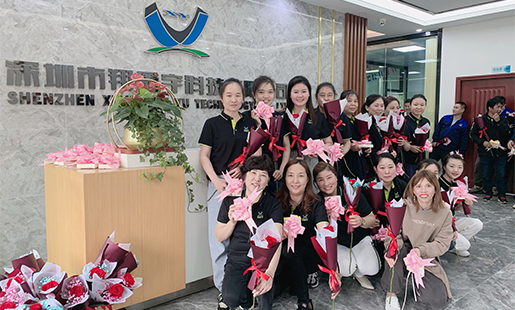
We encourage employees to continuously explore new processing methods and technologies to improve production efficiency and product quality and meet the changing needs of customers.
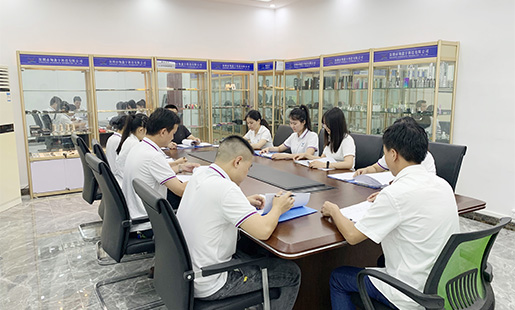
We pursue excellent quality, strictly control every processing link, and strive for zero defects to provide customers with the best products.

Team members support and collaborate with each other, jointly overcome difficulties, share experiences and knowledge, and form a strong whole.

Establish honest and cooperative relationships with customers and suppliers, keep promises, and treat every business with honesty and fairness.
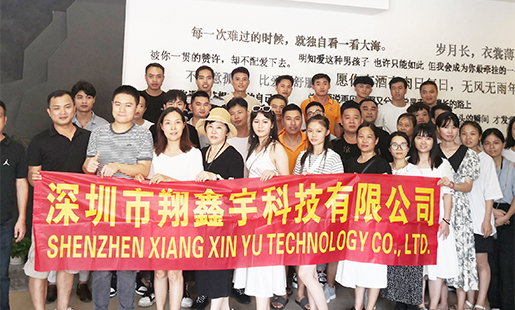
We are well aware that every product is related to the interests and safety of customers. Therefore, we always maintain a high sense of responsibility and take every job seriously.
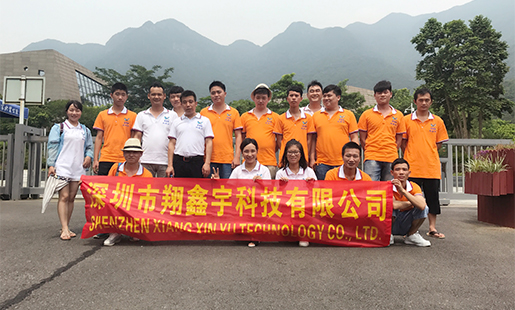
Respect the personality and ideas of each employee, provide a good development space for employees, and also respect the needs and opinions of customers.
Precision execution requires mapping out processing limits based on material capabilities and geometry demands. The following table showcases our technical machining matrix and tolerances based on standard operating practices for CNC milling, composite lathe turning, and multi-axis configurations:
| Machining Process | Typical Materials Worked | Standard Tolerances | Optimal Surface Roughness | Target Applications |
|---|---|---|---|---|
| 5-Axis CNC Milling | Al6061-T6, Al7075, Stainless Steel 316, Titanium Gr.5 | ±0.005 mm | Ra 0.8 - 0.4 µm | Aerospace impellers, complex orthopedic implants, defense tooling. |
| Turn-Mill Composite | Brass, Stainless Steel 303/304, Carbon Steel, POM (Delrin) | ±0.008 mm | Ra 1.6 - 0.8 µm | Precision hydraulic manifolds, stepped shafts, high-tolerance valves. |
| Precision CNC Turning | Copper, Aluminum Alloys, SUS316L, Engineering Plastics | ±0.005 mm | Ra 0.4 µm (with burnishing) | Cylindrical pins, threaded fasteners, optical bushings, connector housings. |
| Micro-Machining | Peek, Stainless Steel, Kovar, Inconel | ±0.002 mm | Ra 0.2 µm | Life-critical micro-needles, defense sensor arrays, opto-mechanical brackets. |
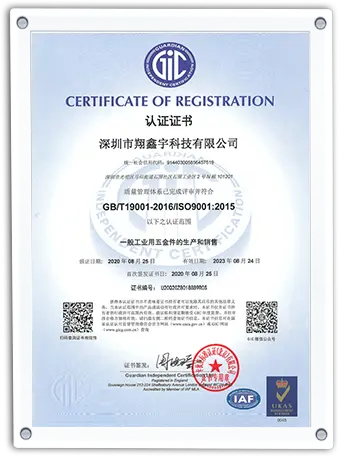
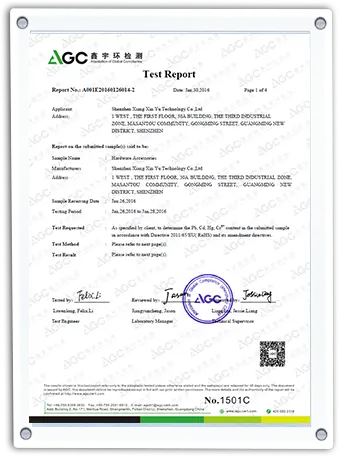
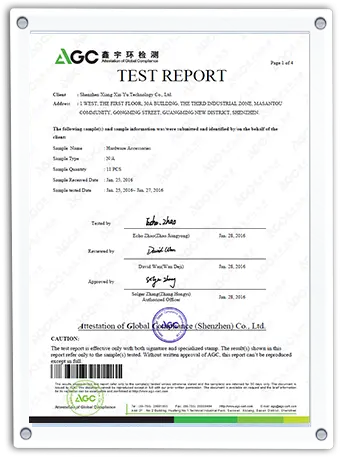
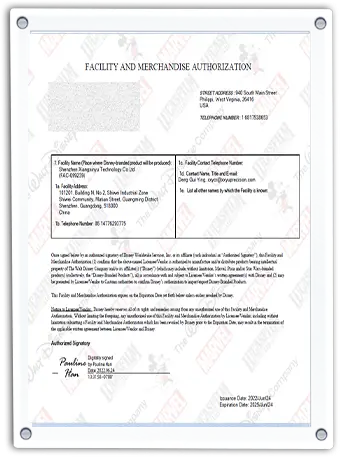
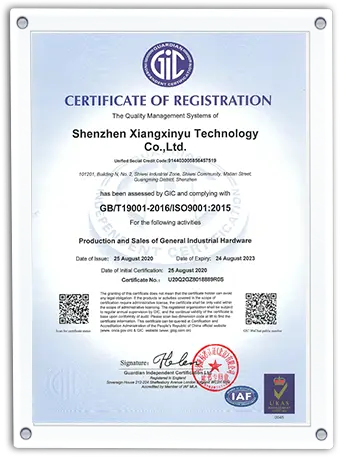
In a CNC machining company, professional certificates are important criteria for measuring the technical strength of the company and the professional quality of employees. These professional certificates not only represent the individual professional skills of employees but also reflect the overall technical level and quality assurance ability of the company, helping to enhance the company's competitiveness in the market.
Chinese direct factory for the silicone oil, MM, and other organosilicone materials - securing strict ROHS compliance benchmarks.
In high-reliability environments, spare parts failure results in exponential costs down the production line. To optimize the total cost of ownership (TCO) and mitigate supplier risk, modern procurement strategies leverage several critical pillars:
Raw Material Integrity: Prior to tool touch, material composition verification using Optical Emission Spectrometry (OES) ensures the mill cert matches physical chemical elements. Whether working with Aerospace Al7075-T6, Medical Grade 316LVM, or refractory metals like Inconel 718, a verified traceability chain is non-negotiable. Suppliers must provide raw material certificate audits on request to maintain compliance under global industrial manufacturing guidelines.
First Article Inspection (FAI): To ensure design intent matches factory setup, a structured FAI protocol (often following AS9102 rules for aerospace/defense components) is executed. By generating a full dimensional analysis report using automated CMM (Coordinate Measuring Machine) data, toolpath inaccuracies or deflection behaviors are compensated prior to initiating high-volume batch runs. This structured workflow reduces variance and yields highly repeatable production runs.
Surface Finish Control & Post-Processing: Aesthetic parts and sliding assemblies alike require tight surface finish control. Depending on application needs, anodizing (Type II & III), chemical passivation, nickel plating, bead blasting, or mechanical electropolishing are carried out. Managing these post-treatments within a close local supplier cluster ensures consistent layer thicknesses (in microns) and stops intergranular corrosion risks early.
Conventional production processes separated turning operations from milling operations, leading to multiple fixtures, cumulative errors, and increased setup times. The rise of Turn-Mill Composite Centers has transformed complex spare parts fabrication by consolidating processes into single-setup executions. Using dual-spindle setups with live tooling across the X, Y, Z, B, and C axes, parts with intricate diagonal bores, off-center cross-holes, and complex profiles are manufactured in a single operation.
This dynamic single-setup paradigm eliminates relocation errors, guaranteeing coaxiality within single-digit micron tolerances. For instance, when producing critical housings for opto-mechanical devices, keeping concentricity between internal diameters and external features is vital to secure stable light paths. The capability to execute CNC milling and turning functions concurrently yields a major cycle-time reduction, which in turn offsets custom setup charges, leading to lower unit costs for the buyer.
Additionally, tooling selection plays a key role. The utilization of specialized solid carbide cutters, customized diamond-tipped tools, and high-frequency live tool attachments allows the machining of hardened materials (e.g., hardened tool steels at 60 HRC or Titanium alloys) while maintaining consistent cutting dynamics. In-process probing checks monitor tool wear patterns automatically, modifying tool offsets in real time to prevent dimensional drift over long runs.
Explore answers to common technical, logistics, and quality questions when sourcing custom CNC parts and spare components from China.
 Xiang Xin Yu