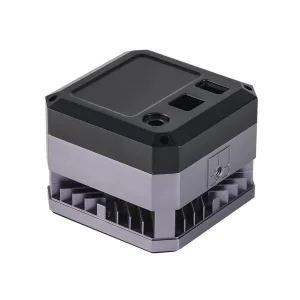
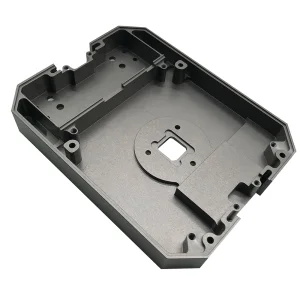
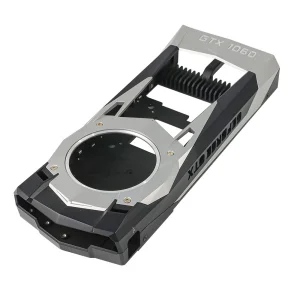
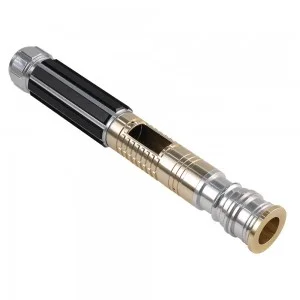
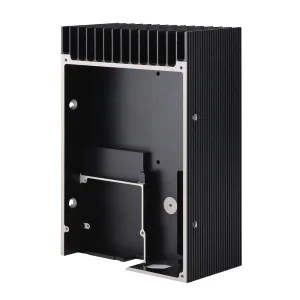
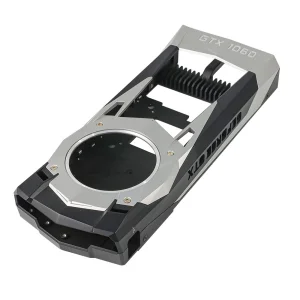
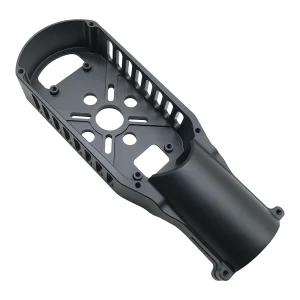
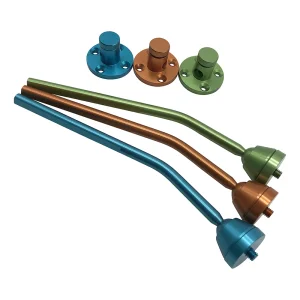
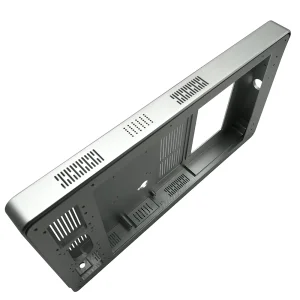
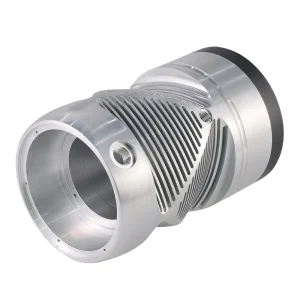
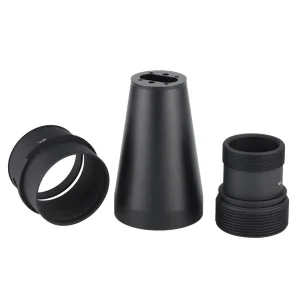
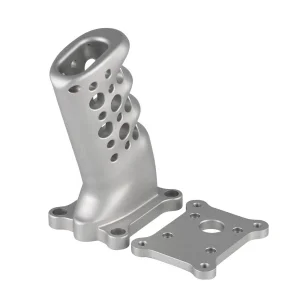
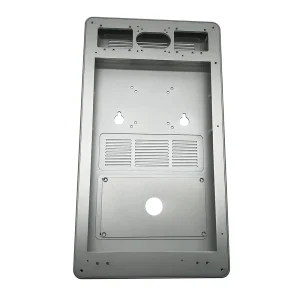
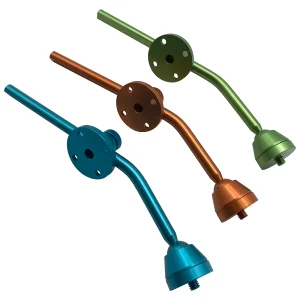
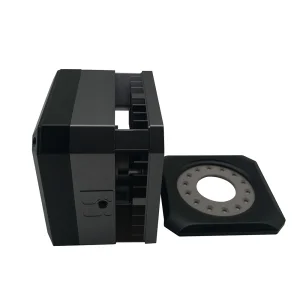
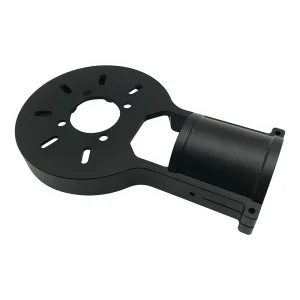
Direct access to high-precision engineering components, rapid injection molding configurations, CNC machining options, and industrial molds custom-tailored for global compliance.
How rapid tooling technologies are bridging the critical gap between conceptual prototypes and high-volume manufacturing lines in modern product life cycles.
In the modern manufacturing sector, speed to market is no longer a peripheral advantage—it is the defining metric of commercial success. Rapid Injection Molding (RIM) has emerged as a cornerstone technology, enabling global product development teams to bypass the traditional, multi-month lead times associated with conventional tooling. By utilizing high-grade aluminum molds (such as QC-10 or 7075-T6 alloy) and automated Toolpath Generation systems, manufacturers can produce functional, production-grade thermoplastic parts within days rather than months.
Globally, industries ranging from aerospace and medical devices to automotive and high-tech consumer electronics are integrating RIM into their workflows. Unlike additive manufacturing (3D printing), which serves as a vital tool for structural verification, rapid injection molding produces parts with isotropic mechanical properties, structural integrity, and exact material properties matching the final production specifications. This ensures that validation tests, including impact testing, chemical exposure, and thermal cycling, yield accurate results.
• Production Material Integrity: Use actual production-grade resins (ABS, PC, Nylon, PEEK, TPU, and custom blends).
• Scalable Yields: Bridges the cost-effective gap from 100 to 10,000+ parts without the expense of full-scale production molds.
• Design Validation: Resolves fitment, structural weakness, and cosmetic properties under real-world application conditions.
| Manufacturing Technology | Typical Volume Range | Lead Time | Material Support | Surface Quality & Tolerance |
|---|---|---|---|---|
| Rapid Injection Molding (RIM) | 100 - 10,000+ parts | 3 - 15 business days | Full range of production thermoplastics | Excellent (SPI finishes, ±0.05 mm) |
| 3D Printing (SLA / SLS / FDM) | 1 - 50 parts | 1 - 3 business days | Resins, photo-polymers, limited plastics | Layer lines visible, mechanical anisotropic |
| CNC Machining (Subtractive) | 1 - 200 parts | 2 - 5 business days | Metals, engineering plastics | Sub-micron precision, machined finish |
Unmatched speed, complete raw material supply chains, and highly integrated technical systems that keep Western engineering teams ahead of schedule.
In Shenzhen, the procurement circle is measured in kilometers, not regions. Raw resin suppliers, masterbatch color matching labs, metal tooling plate makers, heat treatment facilities, and advanced surface coating shops exist in close proximity. This drastically reduces the structural downtime that routinely affects North American and European manufacturers.
Chinese manufacturers leverage advanced DFM (Design for Manufacturability) analysis powered by AI and custom CAD plug-ins. Real-time feedback regarding part wall thickness, draft angles, gate location, and knit lines is generated within hours of file submission, accelerating the tooling design approval loop.
Utilizing modular mold bases (MUD) allows Chinese factories to cut custom inserts only, significantly reducing raw material use and tooling labor. Combined with high-speed CNC milling (up to 24,000 RPM) of aluminum tooling, molds are often completed and trialed in under 72 hours.
Shenzhen Xiang Xin Yu Technology Co., Ltd. is an enterprise specializing in CNC machining, with many years of industry experience and outstanding technical strength.
We are equipped with advanced CNC machine tools and equipment, which can meet the processing requirements of various complex and precise parts. From key components in the aerospace field to high-precision parts in the automotive industry, from fine components in medical equipment to micro-structural parts in the electronics industry, we can provide customers with high-quality products with exquisite craftsmanship and strict quality control.
The company focuses on technological innovation and talent cultivation, and has an experienced and highly skilled professional team. They constantly explore and research new processing techniques and methods to improve production efficiency and product quality.
We always adhere to the customer-centered approach, deeply understand customer needs, and provide customers with customized solutions and all-round service support. From order receipt to product delivery, every link is strictly controlled to ensure the timely delivery of high-quality products.
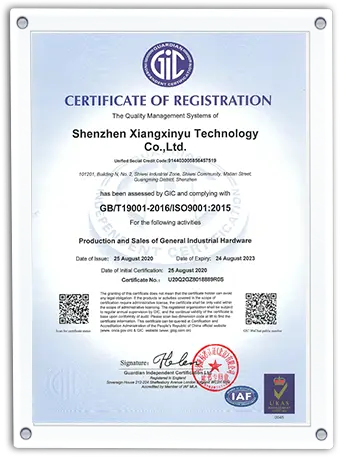
In terms of quality control, we have established a perfect quality management system and strictly manage the purchase of raw materials, production process monitoring and finished product inspection to ensure that each product meets industry standards and customer requirements.
In the future, we will continue to uphold the concepts of professionalism, innovation, quality and service, constantly enhance our own strength, provide customers with better CNC machining services, and become a leading enterprise in the industry.
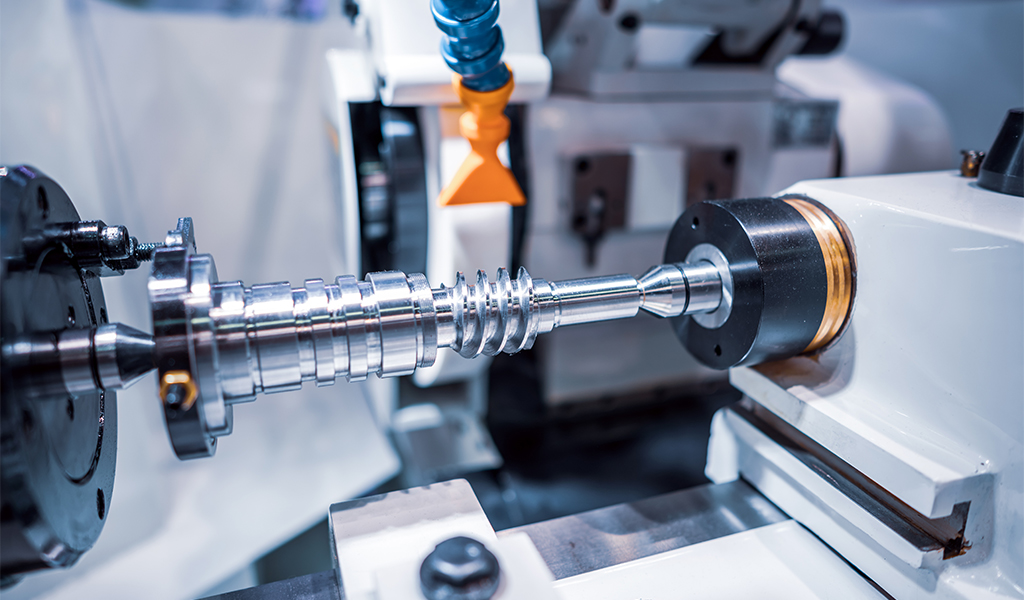
We are a professional CNC machining company, and our corporate culture is built on the following core values:
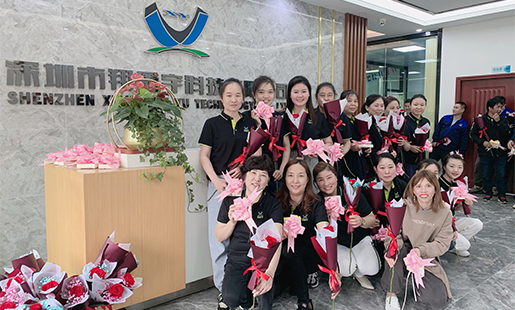
We encourage employees to continuously explore new processing methods and technologies to improve production efficiency and product quality and meet the changing needs of customers.
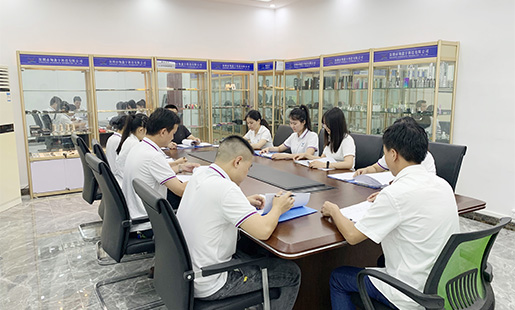
We pursue excellent quality, strictly control every processing link, and strive for zero defects to provide customers with the best products.

Team members support and collaborate with each other, jointly overcome difficulties, share experiences and knowledge, and form a strong whole.

Establish honest and cooperative relationships with customers and suppliers, keep promises, and treat every business with honesty and fairness.
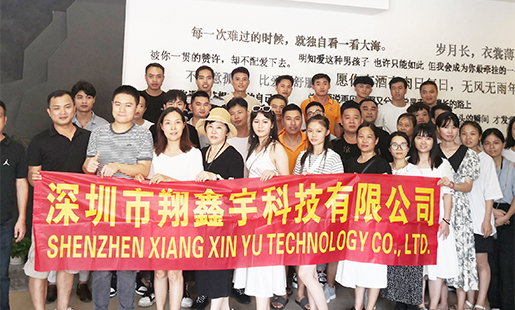
We are well aware that every product is related to the interests and safety of customers. Therefore, we always maintain a high sense of responsibility and take every job seriously.
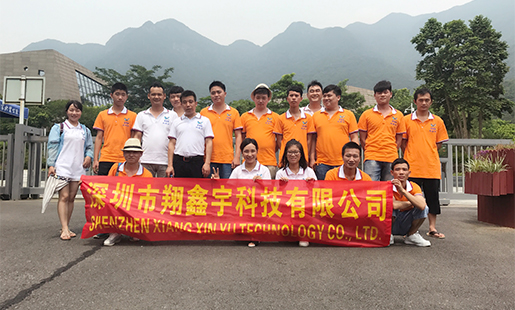
Respect the personality and ideas of each employee, provide a good development space for employees, and also respect the needs and opinions of customers.
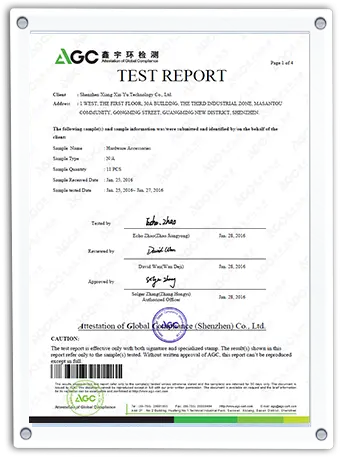
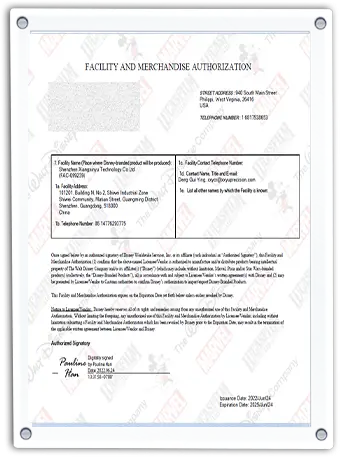
In a CNC machining company, professional certificates are important criteria for measuring the technical strength of the company and the professional quality of employees.
☑ 1. CNC Lathe Operator Certificate: Proves the professional ability of employees in the operation of CNC lathes.
☑ 2. CNC Milling Machine Operator Certificate: Reflects the skill level of employees in CNC milling processing.
☑ 3. Machining Center Operator Certificate: Demonstrates proficiency in the operation of machining centers.
☑ 4. CAD/CAM Software Certificates: Such as MasterCAM, UG, etc., indicating the ability to apply relevant design and manufacturing software.
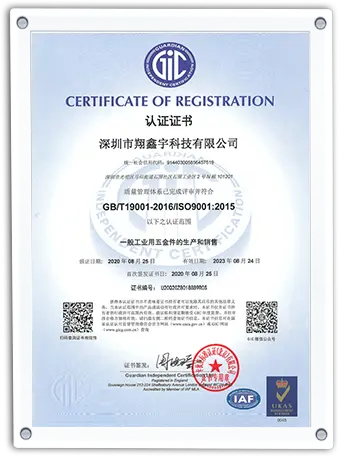
☑ 5. Quality Control-related Certificates: Such as ISO 9001 Quality Management System Internal Auditor Certificate to ensure that product quality meets standards.
These professional certificates not only represent the individual professional skills of employees but also reflect the overall technical level and quality assurance ability of the company, helping to enhance the company's competitiveness in the market.
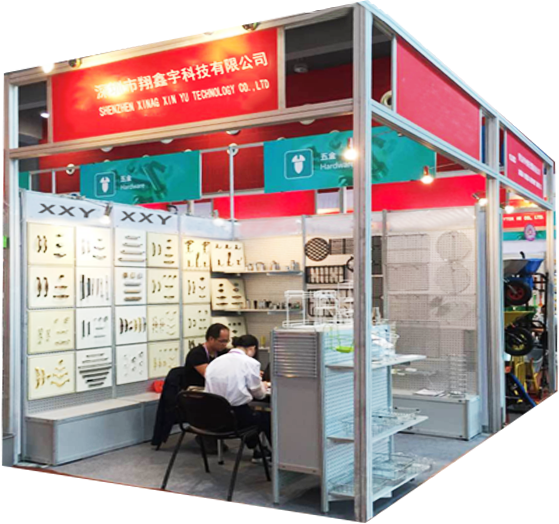
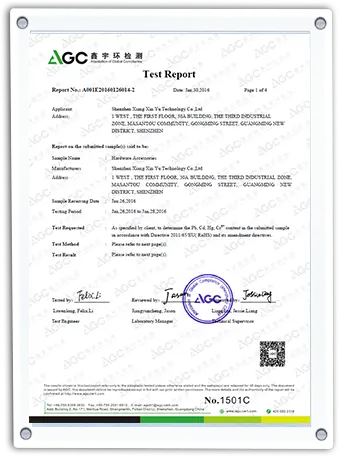
Chinese direct factory for the silicone oil, MM, and other organosilicone materials. All facilities abide by global environmental compliance, RoHS instructions, and ISO standard procedures, assuring non-toxic, structurally sound product outputs.
How different engineering niches deploy Rapid Injection Molding to achieve optimal cost-per-part dynamics during validation and low-volume production stages.
Producing bio-compatible clinical trial components, diagnostic housings, and anatomical surgical tools using ISO-13485 clean-room protocols and clean medical resins.
Prototyping engine manifolds, instrument panels, and interior assemblies. Supports testing of thermal degradation and structural limits before commissioning expensive steel molds.
Manufacturing light-weight structural ducting, brackets, and internal cabin fixtures using specialized flame-retardant polymers like PEEK and ULTEM.
Enabling micro-scale enclosures, electronic connector brackets, and cosmetic prototypes with precise textured finishes (SPI-A2 gloss or MT-11010 textured).
Navigating modern geopolitical realities, eco-responsibility, and technological paradigms in supply chain logistics.
For international procurement directors, minimizing total cost of ownership (TCO) is a critical objective. Rapid tooling allows engineering teams to validate part geometries early, reducing the risk of costly modifications to high-volume steel tools. By sourcing from experienced manufacturers in China, companies can optimize their capital expenditure allocations.
Integrating rapid injection molding into a hybrid supply chain model—using RIM for initial production ramp-ups and transition phases while preparing massive multi-cavity tools—provides a competitive time-to-market advantage.
The industry is shifting toward more sustainable materials. Manufacturers are expanding support for post-consumer recycled (PCR) resins, bio-derived plastics, and regrind cycles that reduce environmental impact without compromising mechanical properties. Modern DFM analysis also helps design thinner walls, reducing raw material usage while maintaining structural integrity.
Detailed answers to common questions about tolerances, material compatibility, and production capabilities.
Generally, we hold a commercial tooling tolerance of ±0.1 mm (±0.004 inches). Precision areas can achieve ±0.05 mm (±0.002 inches) depending on the selected plastic material, part size, and configuration. Shrinkage rates of specific polymers are accounted for during tool design to ensure dimensional accuracy.
High-grade QC-10 and 7075-T6 aluminum alloys offer heat dissipation characteristics that can reduce cycle times compared to steel. While softer than hardened tool steel, these aluminum molds can produce 5,000 to 50,000+ parts (depending on the abrasiveness of the resin, such as glass-fill percentage) before showing signs of wear.
Yes. Rapid injection molding supports structural fillers (glass fiber, carbon fiber, mineral fill) and additives (UV stabilizers, flame retardants). Glass-filled materials like Nylon 30% GF can accelerate mold wear, so gate areas are designed to be easily replaceable if needed.
We support standard finishes, including SPI-C1 (stone finish), SPI-B1 (medium paper), SPI-A2 (high-gloss diamond polish), and molded textures like Mold-Tech equivalents. Aluminum tools can be polished or textured, though high-gloss finishes require specific tool maintenance.
Key design guidelines include: maintaining uniform wall thickness to prevent sink marks, incorporating a draft angle (minimum 0.5° to 2° depending on texture) to facilitate easy ejection, and designing transitions with generous radii to reduce molded-in stress.
We source materials from certified distributors and provide material test reports and RoHS compliance sheets for traceability. Customers can also supply custom resins or masterbatches for specific production requirements.
Browse our range of precision manufacturing solutions, including CNC turning, milling, and 3D printing services designed for demanding industries.
 Xiang Xin Yu