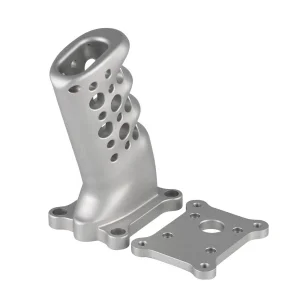
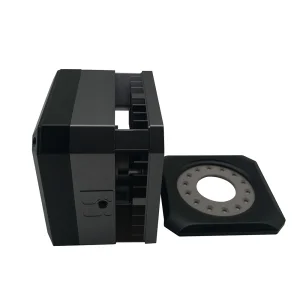
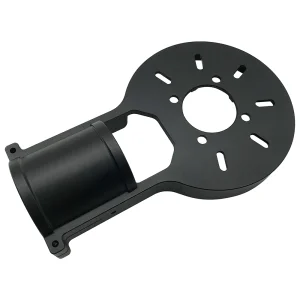
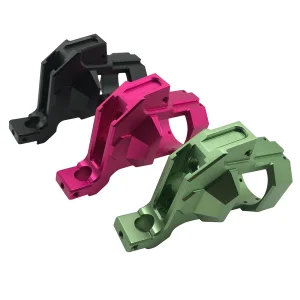
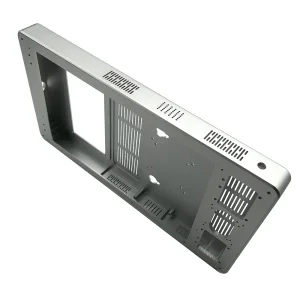
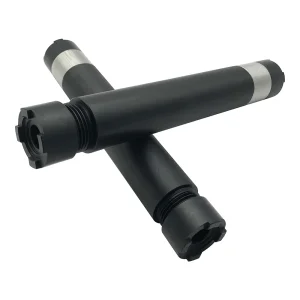
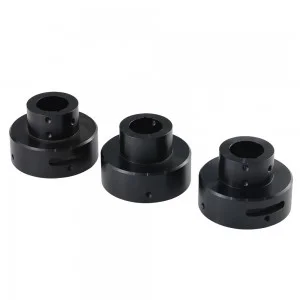
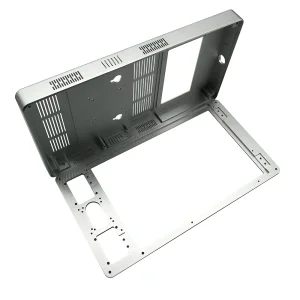
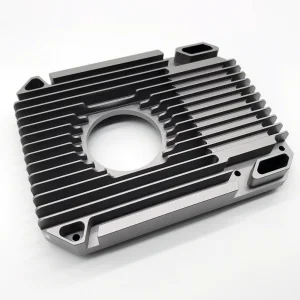
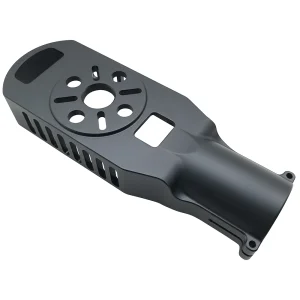
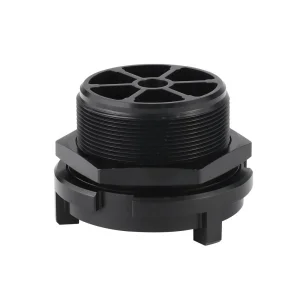
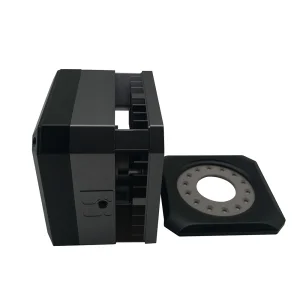
In the ultra-competitive landscape of global hardware development, speed-to-market and high dimensional accuracy are no longer differentiator options—they are baseline imperatives. A prototype metal part serves as the physical proof-of-concept that bridges the digital CAD model and full-scale high-volume assembly lines. Modern manufacturing paradigms demand that prototypes behave exactly like production-grade items. This is why high-integrity manufacturing processes such as precision CNC machining and industrial metal 3D printing have converged to provide engineering solutions with absolute geometric stability.
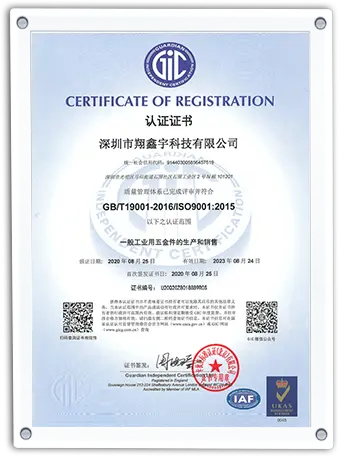
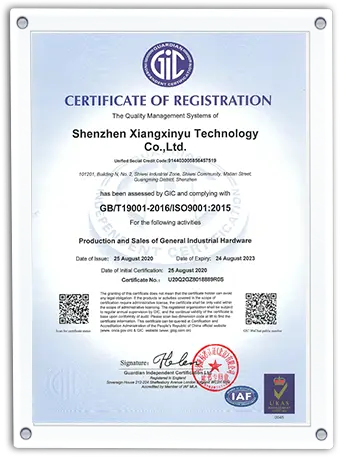
Developing precision metal parts requires deep metallurgical knowledge, dynamic engineering feedback loops, and advanced subtractive and additive tooling technologies. For instance, when designing structural brackets for aerospace components or thermal management units for medical electronics, deviations as small as five microns (0.005mm) can lead to catastrophic component failures. This necessitates partnering with a factory that blends cutting-edge equipment with strict adherence to rigorous quality standards, such as ISO 9001 and RoHS directives.
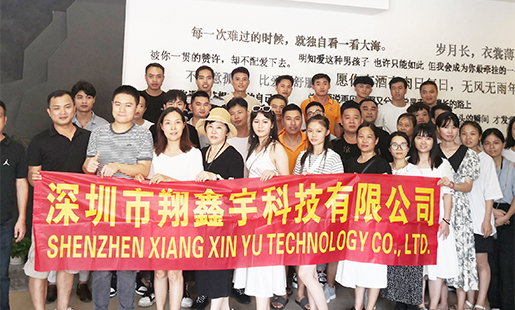
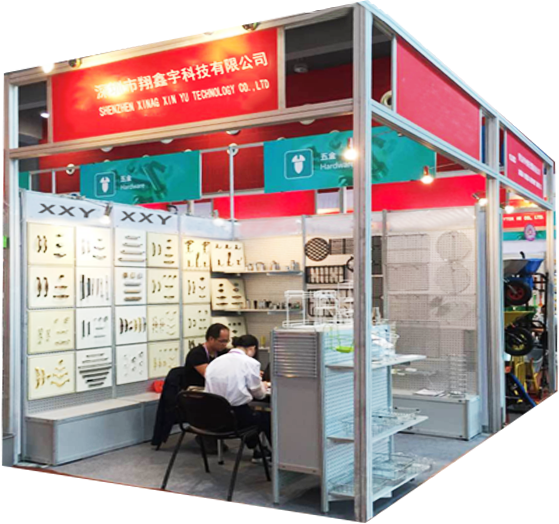
Shenzhen Xiang Xin Yu Technology Co., Ltd. is an enterprise specializing in CNC machining, with many years of industry experience and outstanding technical strength. We are equipped with advanced CNC machine tools and equipment, which can meet the processing requirements of various complex and precise parts. From key components in the aerospace field to high-precision parts in the automotive industry, from fine components in medical equipment to micro-structural parts in the electronics industry, we can provide customers with high-quality products with exquisite craftsmanship and strict quality control.
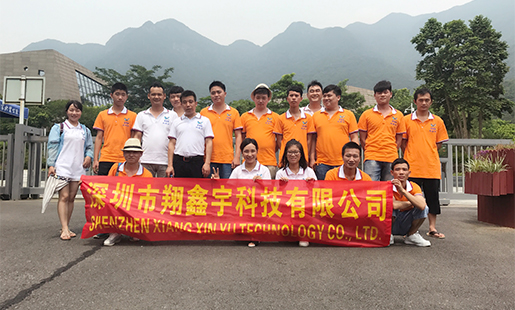
The company focuses on technological innovation and talent cultivation, and has an experienced and highly skilled professional team. They constantly explore and research new processing techniques and methods to improve production efficiency and product quality. We always adhere to the customer-centered approach, deeply understand customer needs, and provide customers with customized solutions and all-round service support. From order receipt to product delivery, every link is strictly controlled to ensure the timely delivery of high-quality products.
In terms of quality control, we have established a perfect quality management system and strictly manage the purchase of raw materials, production process monitoring and finished product inspection to ensure that each product meets industry standards and customer requirements. In the future, we will continue to uphold the concepts of professionalism, innovation, quality and service, constantly enhance our own strength, provide customers with better CNC machining services, and become a leading enterprise in the industry.
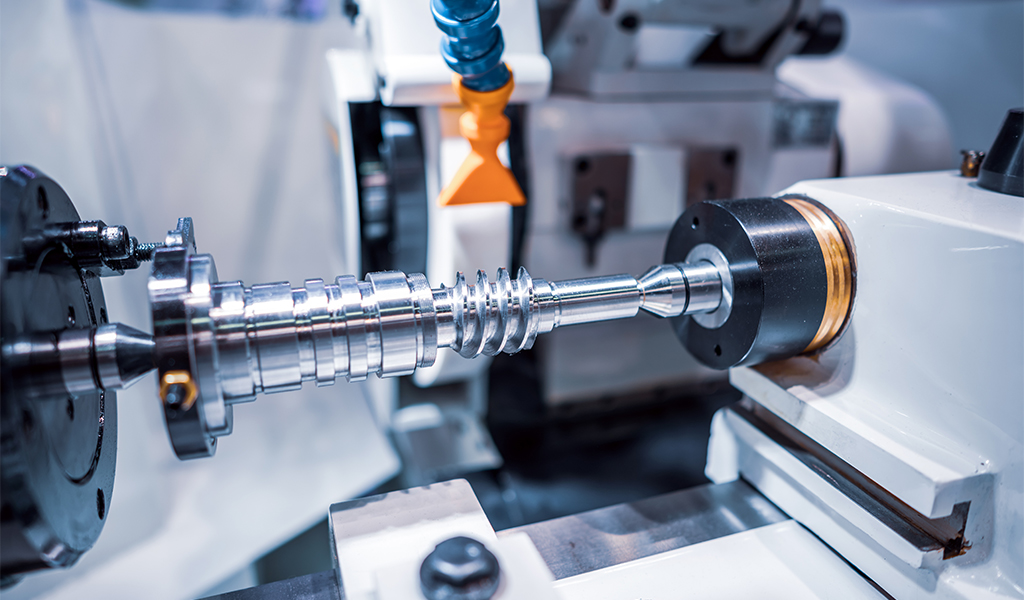
Global buyers sourcing custom metal prototypes frequently face multi-dimensional challenges. First, they require rapid quotes and engineering validation (DFM check) to determine if a design is manufacturable without expensive setups. Second, they must verify the metallurgic integrity of the materials supplied. Standardizing on authentic alloys such as Aluminum 6061-T6, Alumec 89, Stainless Steel 316L, Titanium Ti-6Al-4V, and high-purity oxygen-free copper is critical. A reliable partner like Xiang Xin Yu Technology mitigates these risks by implementing rigorous material traceability protocols and raw material chemical analyses.
Utilizing coordinate measuring machines (CMM), laser scanners, and optical comparators to confirm the geometric stability of complex geometries against CAD baselines.
Applying advanced 3-axis, 4-axis, and continuous 5-axis CNC systems to machine complex metal components without multiple setups, minimizing tolerance stackup.
Offering diverse surface treatments including bead blasting, Type II/III anodizing, chemical conversion coating, electroplating, and precision grinding.
Furthermore, integrating integrated turn-mill solutions with subtractive workflows drastically reduces development lead times. Hardware teams can quickly iterate prototypes, perform mechanical fatigue testing, and secure product qualifications faster, ensuring a competitive time-to-market advantage.
We are a professional CNC machining company, and our corporate culture is built on the following core values:
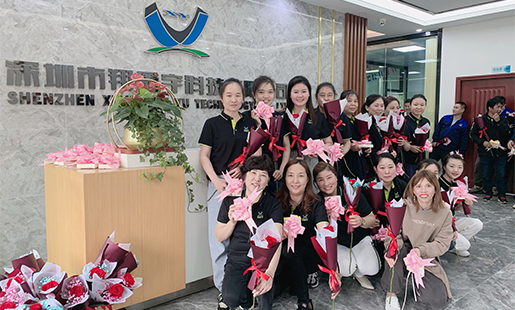
We encourage employees to continuously explore new processing methods and technologies to improve production efficiency and product quality and meet the changing needs of customers.
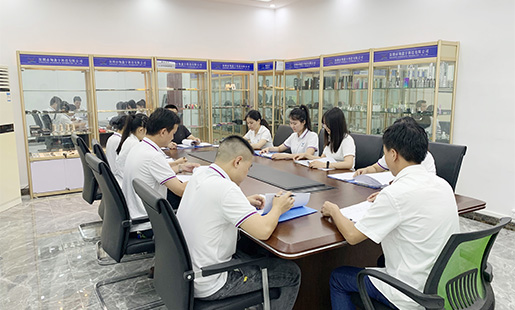
We pursue excellent quality, strictly control every processing link, and strive for zero defects to provide customers with the best products.
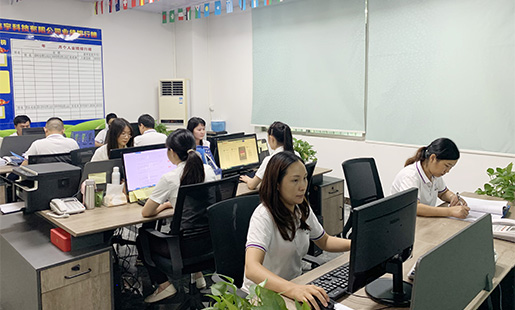
Team members support and collaborate with each other, jointly overcome difficulties, share experiences and knowledge, and form a strong whole.

Establish honest and cooperative relationships with customers and suppliers, keep promises, and treat every business with honesty and fairness.
We are well aware that every product is related to the interests and safety of customers. Therefore, we always maintain a high sense of responsibility and take every job seriously.
Respect the personality and ideas of each employee, provide a good development space for employees, and also respect the needs and opinions of customers.
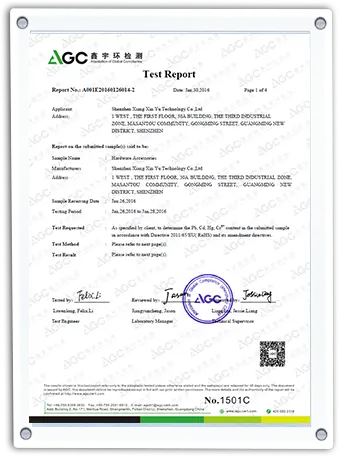
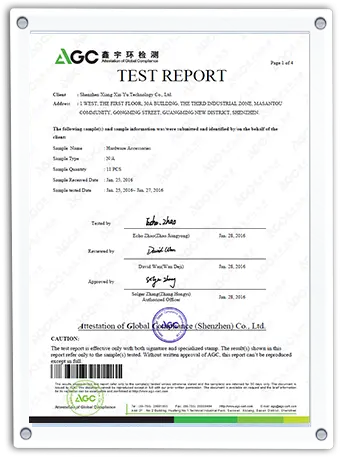
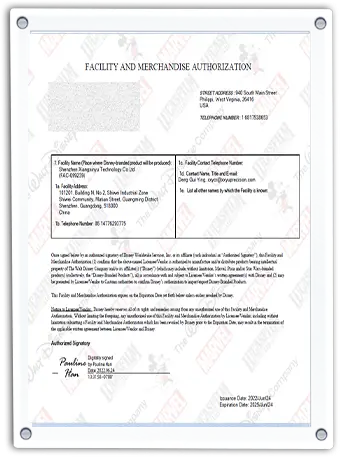
In a CNC machining company, professional certificates are important criteria for measuring the technical strength of the company and the professional quality of employees. Common professional certificates related to CNC machining include:
These professional certificates not only represent the individual professional skills of employees but also reflect the overall technical level and quality assurance ability of the company, helping to enhance the company's competitiveness in the market.
Chinese direct factory for the silicone oil,MM,and other organsilicone materials
The prototype metal parts industry is shifting from traditional physical-only modeling toward virtualized cyber-physical systems. Smart digital factories simulate cutting tool-paths, heat stress distributions, and raw material deformation patterns using advanced finite element analysis (FEA) before the CNC machines ever touch physical raw stock. This drastically minimizes production waste and helps deliver cost-optimized manufacturing solutions.
Additionally, the integration of hybrid manufacturing workflows is reshaping product creation. Additive technologies allow engineers to manufacture complex, topological-optimized structures with internal lattices that reduce weight, while traditional subtractive CNC milling finishes critical mating faces to achieve precise tolerances. At Shenzhen Xiang Xin Yu Technology Co., Ltd., we continuously invest in high-performance CAD/CAM solutions and multi-axis turn-mill machinery to ensure our operations meet tomorrow's technical specifications.
In line with global corporate social responsibility mandates, we actively prioritize environmental compliance. Conserving cutting fluids, selecting recyclable structural alloys, and conforming strictly to RoHS directives ensure that all custom prototypes created at our facility are fully safe for integration into medical, automotive, and consumer electronic systems.
Typical rapid prototyping turnaround times range from 3 to 7 working days, depending entirely on design complexity, raw material availability, and specified surface finishes. High-complexity multiaxis parts or multi-component assemblies might take up to 10–14 days.
We use controlled thermal stress relieving after rough-machining steps to eliminate internal structural stresses. Further, all critical dimensions are monitored in climate-controlled quality laboratories using coordinate measuring machines (CMM) and digital optical profile projectors.
We regularly process Aluminum (6061-T6, 7075-T6, 5052), Stainless Steel (304, 316L, 17-4 PH), Alloy Steel, Carbon Steel, Brass, Copper, Bronze, and high-performance alloys like Titanium (Grade 5) and Inconel.
We require material test certificates (MTC) from our suppliers for all raw metal batches. Additionally, we conduct incoming material inspection checks to verify structural composition, ensuring compliance with RoHS standards and customer engineering requirements.
 Xiang Xin Yu