Advanced Machined Prototypes & High-Volume Production Components
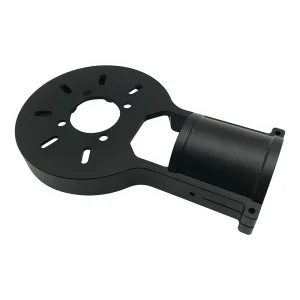
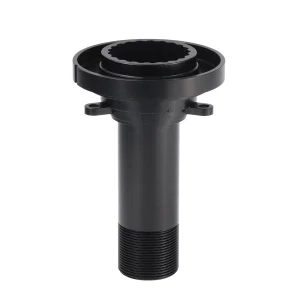
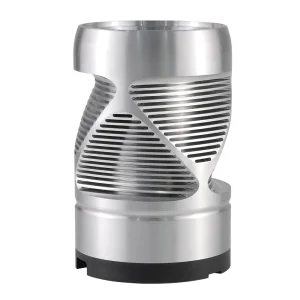
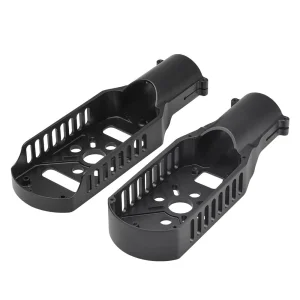
Exploring the convergence of multi-axis CNC technology, metallurgical precision, and modern supply chain dynamics.
The global manufacturing ecosystem is transitioning toward unprecedented standards of accuracy, spurred by developments in aerospace structural design, medical instrumentation, semiconductor equipment, and high-frequency communication modules. In these fields, materials like aluminium (particularly 6061-T6, 7075-T6, and mic-6 cast plate) and stainless steel grades (such as SUS303, SUS304, SUS316L, and duplex steels) serve as structural backbones. The trend is moving away from post-assembly calibration toward absolute geometric integrity directly out of the machining center.
Aluminium parts are increasingly favored for lightweight structural efficiency and high thermal conductivity, making them crucial for thermal management in EV battery enclosures and aerospace housing units. Conversely, stainless steel parts offer high corrosion resistance, high tensile strength, and structural integrity under high-temperature cycles. Designing and manufacturing parts combining these materials requires a deep understanding of thermal expansion coefficients, tool pathway programming, and metallurgical behaviors under cutting stress.
Modern procurement officers are faced with complex tasks. They must balancing competitive pricing with reliability, on-time delivery, and strict adherence to geometric tolerances. Navigating global manufacturing demands high technical alignment. A lack of Design for Manufacturability (DFM) analysis can lead to dimensional shifts post-anodizing, material deformation from residual stress, and micro-cracking in high-strain structural components.
To mitigate these challenges, leading companies rely on comprehensive quality management frameworks. This includes coordinate measuring machines (CMM) in climate-controlled rooms, optical measurement systems, spectrometer material testing, and statistical process control (SPC). Establishing a reliable supply chain requires partners who provide detailed inspection reports, raw material certifications, and chemical analysis sheets for every batch.
China's precision machining ecosystem has transitioned from high-volume processing to advanced smart manufacturing. The integration of "Factory 4.0" systems—characterized by real-time IoT tool wear tracking, robotic arm loading systems, ERP-connected logistics, and digital twin simulation—allows Chinese manufacturers to provide high agility alongside cost efficiency.
Shenzhen's industrial clusters offer access to raw material markets, specialized secondary treatments (from hard anodizing and chemical passivation to PVD coatings and electropolishing), and direct global logistics networks. This proximity allows for compressed production timelines, rapid prototyping, and efficient scaling. This supply chain ecosystem enables global hardware enterprises to transition seamlessly from low-volume prototyping to mass manufacturing with minimal friction.
Over a decade of dedication to complex geometries, precision tolerances, and exceptional surface finishes.
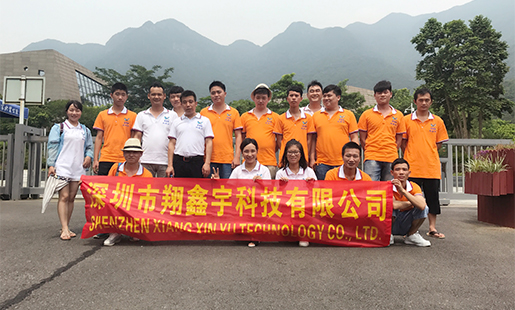
Shenzhen Xiang Xin Yu Technology Co., Ltd. is an enterprise specializing in CNC machining, with many years of industry experience and outstanding technical strength.
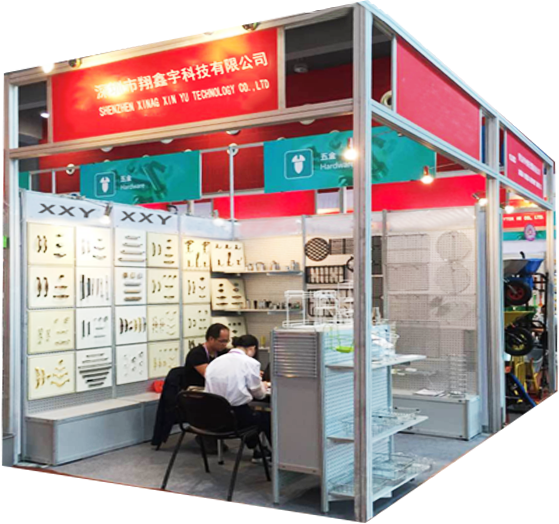
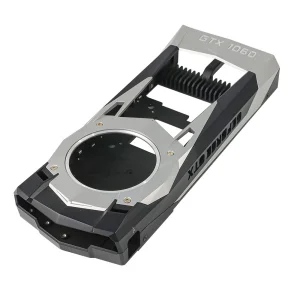
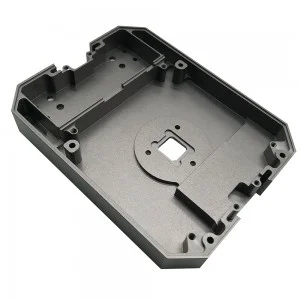
We are equipped with advanced CNC machine tools and equipment, which can meet the processing requirements of various complex and precise parts. From key components in the aerospace field to high-precision parts in the automotive industry, from fine components in medical equipment to micro-structural parts in the electronics industry, we can provide customers with high-quality products with exquisite craftsmanship and strict quality control.
The company focuses on technological innovation and talent cultivation, and has an experienced and highly skilled professional team. They constantly explore and research new processing techniques and methods to improve production efficiency and product quality.
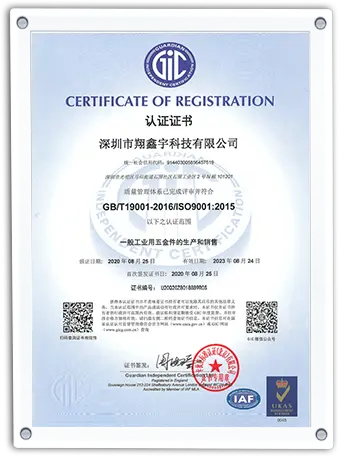
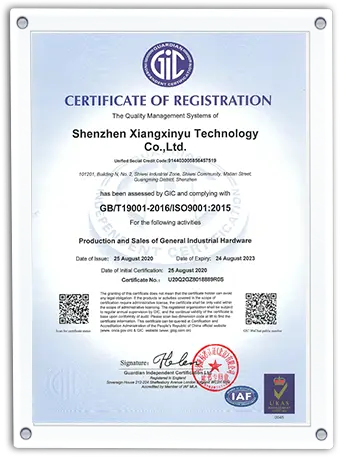
We always adhere to the customer-centered approach, deeply understand customer needs, and provide customers with customized solutions and all-round service support. From order receipt to product delivery, every link is strictly controlled to ensure the timely delivery of high-quality products. In terms of quality control, we have established a perfect quality management system and strictly manage the purchase of raw materials, production process monitoring and finished product inspection to ensure that each product meets industry standards and customer requirements.
In the future, we will continue to uphold the concepts of professionalism, innovation, quality and service, constantly enhance our own strength, provide customers with better CNC machining services, and become a leading enterprise in the industry.
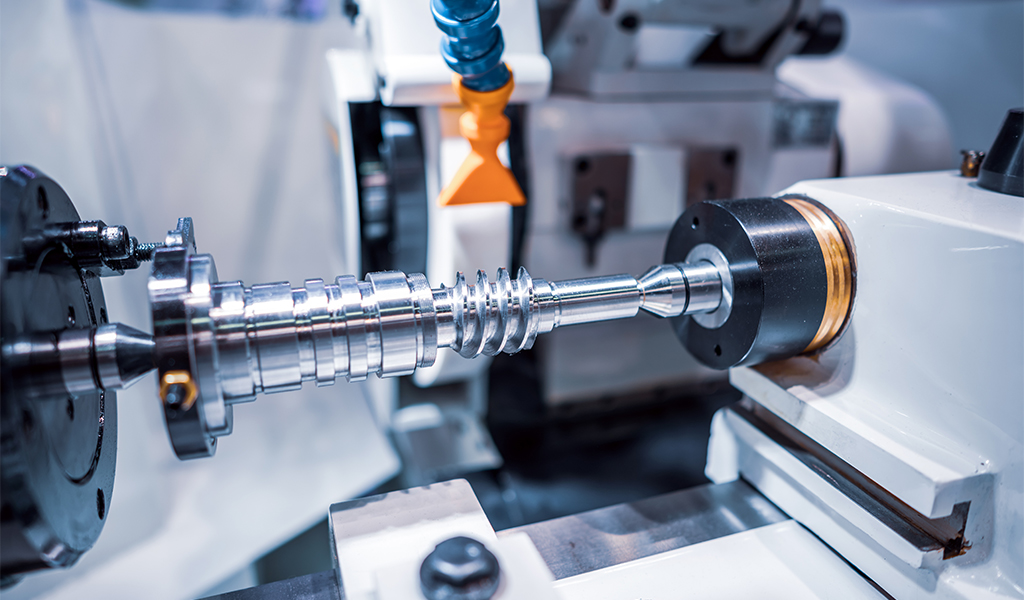
Our core principles guide every cut of the tool, every measurement inspection, and every customer relationship.
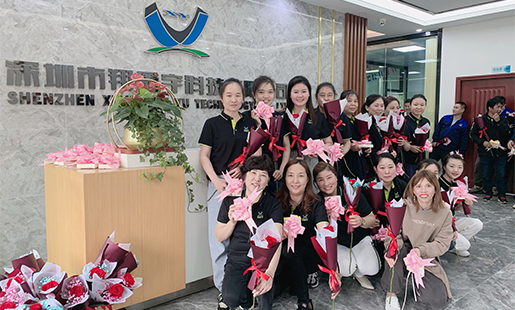
We encourage employees to continuously explore new processing methods and technologies to improve production efficiency and product quality and meet the changing needs of customers.
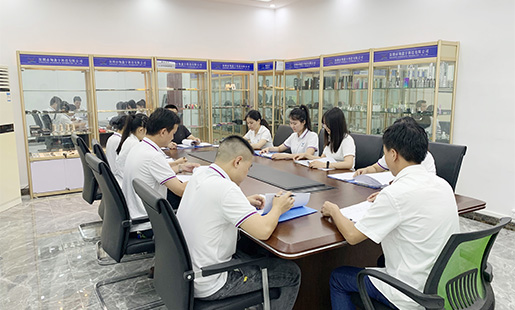
We pursue excellent quality, strictly control every processing link, and strive for zero defects to provide customers with the best products.

Team members support and collaborate with each other, jointly overcome difficulties, share experiences and knowledge, and form a strong whole.

Establish honest and cooperative relationships with customers and suppliers, keep promises, and treat every business with honesty and fairness.
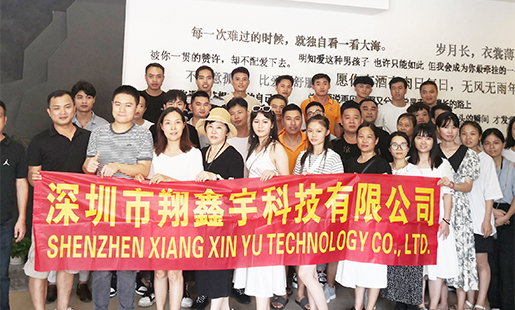
We are well aware that every product is related to the interests and safety of customers. Therefore, we always maintain a high sense of responsibility and take every job seriously.
Respect the personality and ideas of each employee, provide a good development space for employees, and also respect the needs and opinions of customers.
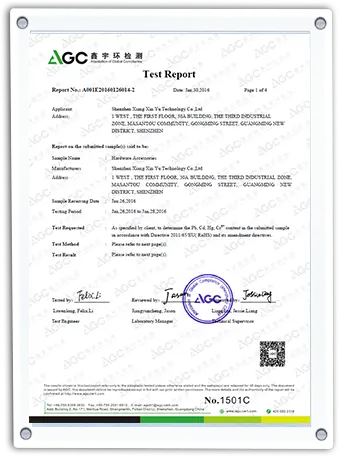
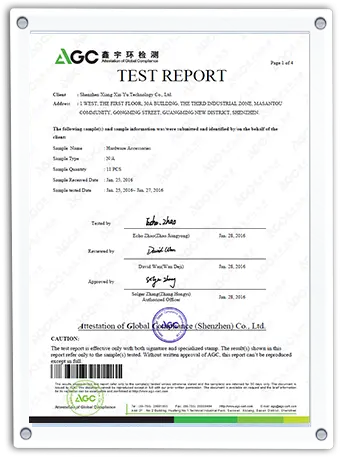
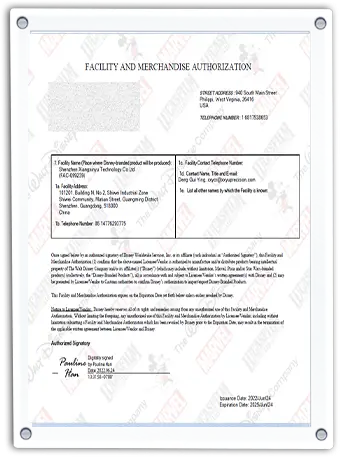
Operational control validated by international industry standards and continuous professional evaluation.
Chinese direct factory for the silicone oil,MM,and other organsilicone materials
From deep-sea submersibles to high-frequency communication modules, discover how material selection and processing pathways interact.
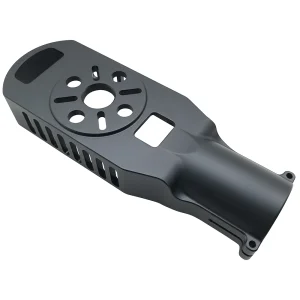
Aerospace structures demand an optimal strength-to-weight ratio. High-strength Aluminium 7075-T6 parts are frequently specified due to their fatigue resistance. We utilize advanced multi-spindle dynamic milling to pocket out massive structural cavities, preventing work deformation by continually monitoring thermal stresses during metal removal. The components are then coated with hard-coat anodization (MIL-A-8625 Type III) to provide high corrosion and wear resistance in hostile environments.
Surgical instruments require biocompatible, corrosion-resistant metals like Stainless Steel 316L. The high nickel and molybdenum content of 316L makes it resilient to cleaning and sterilization chemicals, but it also creates challenging machining properties. Through low-speed, high-pressure cutting methods combined with clean coolant chemistry, we prevent tool wear and eliminate micro-burrs, providing smooth surfaces with Ra values below 0.4 microns.
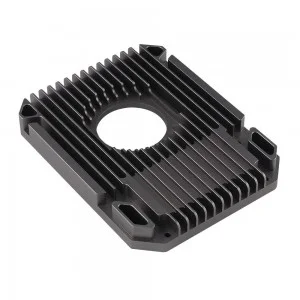
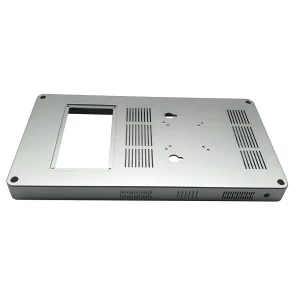
The electronics industry requires thin-walled structural shells and highly precise heat sinks. Our high-precision CNC centers are capable of milling aluminium walls down to 0.5mm thickness without warping. Precision optical housings also demand tight positioning and concentricity tolerances to ensure perfect lens alignment. Our CNC centers hold structural deviations within ±0.005mm to keep optical sensors aligned.
Detailed technical answers to common questions raised by procurement managers and hardware design engineers.
Deformation is primarily caused by internal stress built up during material extraction and thermal expansion. We prevent this by selecting stress-relieved plates (such as Al 6061-T651), using high-speed, light-cut milling pathways, and dividing the machining process into roughing and finishing phases. This allows the material to cool and stabilize between cuts.
Stainless steel has higher shear strength, work-hardening rates, and low thermal conductivity, which concentrates heat at the cutting edge. We address this by using cobalt-alloyed or carbide tooling with heat-resistant TiAlN coatings, keeping a constant feed rate to avoid work hardening, and applying high-pressure coolant to quickly evacuate chips and heat.
For standard production, we achieve linear tolerances of ±0.01mm. With specialized tooling, climate-controlled inspection rooms, and precise calibration, we can hold critical dimensions down to ±0.005mm for high-precision components.
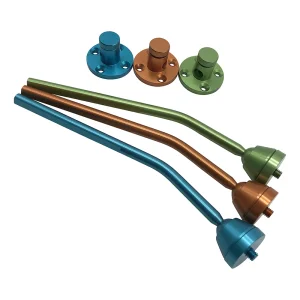
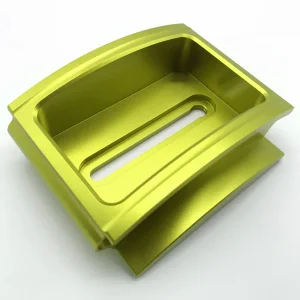
We offer complete post-processing treatments. For aluminium, we perform decorative, type II, and type III hard anodizing, along with chromate conversion coatings. For stainless steel, we offer pickling, chemical passivation to restore corrosion resistance, electropolishing, and bead-blasting for clean, uniform surface textures.
All raw material batches are purchased with corresponding Mill Test Reports (MTR) showing metallurgical composition and physical properties. We perform incoming material verification using spectrometer analysis to ensure compliance before production starts.
Comprehensive Precision Engineering Capabilities & Manufacturing Systems
 Xiang Xin Yu