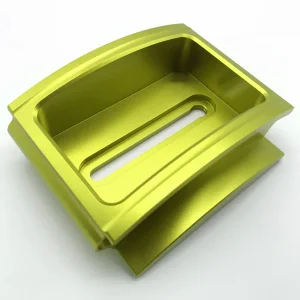
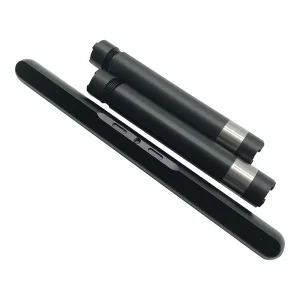
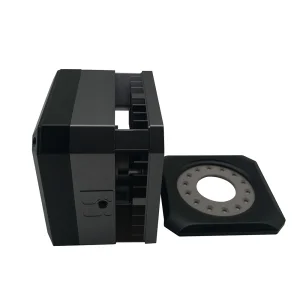
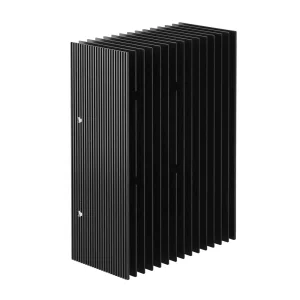
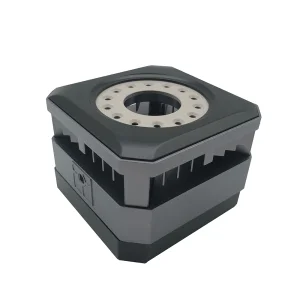
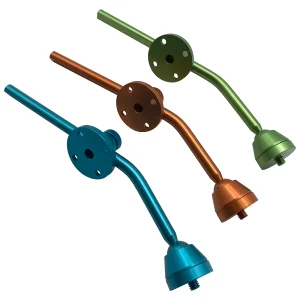
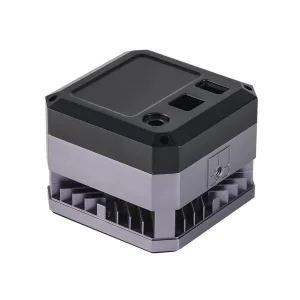
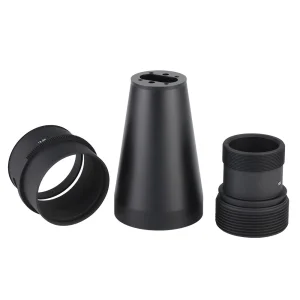
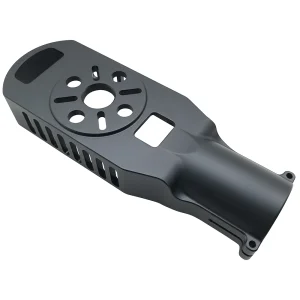
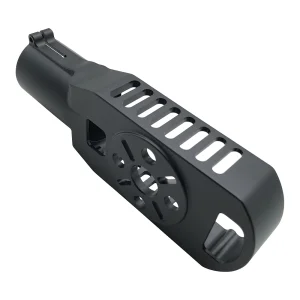
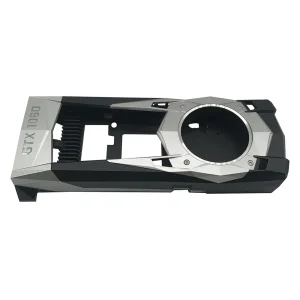
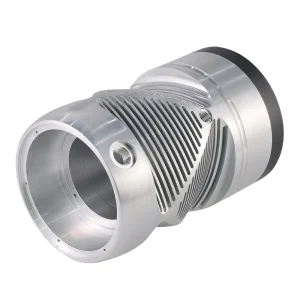
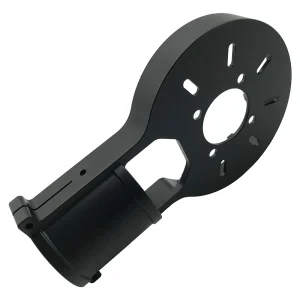
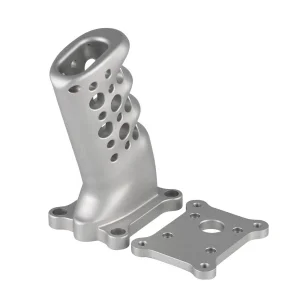
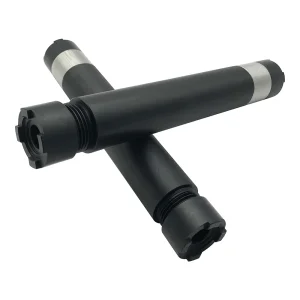
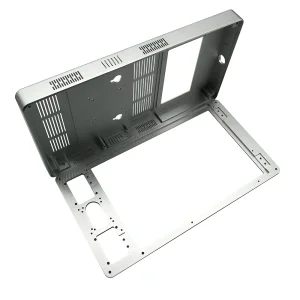
Explore our core industrial capabilities, featuring high-tolerance micro-machining, advanced 5-axis fabrication, and custom sheet metal solutions.
Shafts represent the foundational element of mechanical transmission systems worldwide. From the high-rpm rotors of electric vehicle (EV) powertrains to the micrometer-level drive mechanisms of aerospace actuators and medical pumps, the demand for precision shaft machining has evolved beyond traditional turning operations. Today, shaft manufacturing is at the intersection of metallurgy, thermodynamic stability, and multi-axis synchronicity.
Global sourcing managers increasingly face the challenge of finding suppliers who can not only perform basic turning but also guarantee straightness, concentricity, and roundness tolerances below 5 microns. A high-quality shaft machining supplier must combine modern CNC Swiss-type lathes, multi-tasking mill-turn centers, and advanced cylindrical grinding processes under one quality management system to mitigate risk and reduce structural deflection in critical operations.
The transition toward "Industry 4.0" is redefining shaft machining processes. Standard single-spindle lathes are giving way to intelligent turn-mill centers capable of complete machining in a single setup (done-in-one). Let's review the technical milestones transforming this sector:
Integrates dual-spindle turning and B-axis milling. Eliminates transfer errors and ensures perfect alignment between eccentric features, keyways, and the shaft centerline.
Utilizes CNC vitrified CBN (cubic boron nitride) wheels to achieve precise surface finishes down to Ra 0.1-0.2, critical for dynamic shaft seals and bearing journals.
Continuous closed-loop laser measurements that actively adjust offset tables on the machine control unit to compensate for tool wear and thermal expansion dynamically.
Our technological trajectory emphasizes the integration of these features. Advanced simulation software is used to model cutting forces and avoid vibration harmonics in long, slender shafts. This ensures that even shafts with length-to-diameter ratios exceeding 20:1 are machined without chatter marks or geometry deviations.
Different industrial sectors exhibit varying demands when it comes to material characteristics, dynamic balancing, and structural load capacities. Below is a macro analysis of our specialized configurations:
Aerospace applications require lightweight, high-strength alloys like Titanium Grade 5 (Ti-6Al-4V) or Inconel 718. Shafts in these systems operate under high torsional stresses and extreme temperature variations. Our precision machining process utilizes specialized tool geometries and cryogenic coolant delivery systems to avoid micro-cracks and thermal structural transformations in the metal matrix, guaranteeing fatigue resistance and longevity.
In electric vehicles, rotor shafts must rotate at speeds exceeding 15,000 RPM. This necessitates exceptional dynamic balancing and precise spline tolerances. We implement advanced high-speed CNC turning followed by precise spline rolling or hobbing. Every single electric motor shaft is subject to rigorous dynamic balance testing to minimize noise, vibration, and harshness (NVH) levels in the drivetrain.
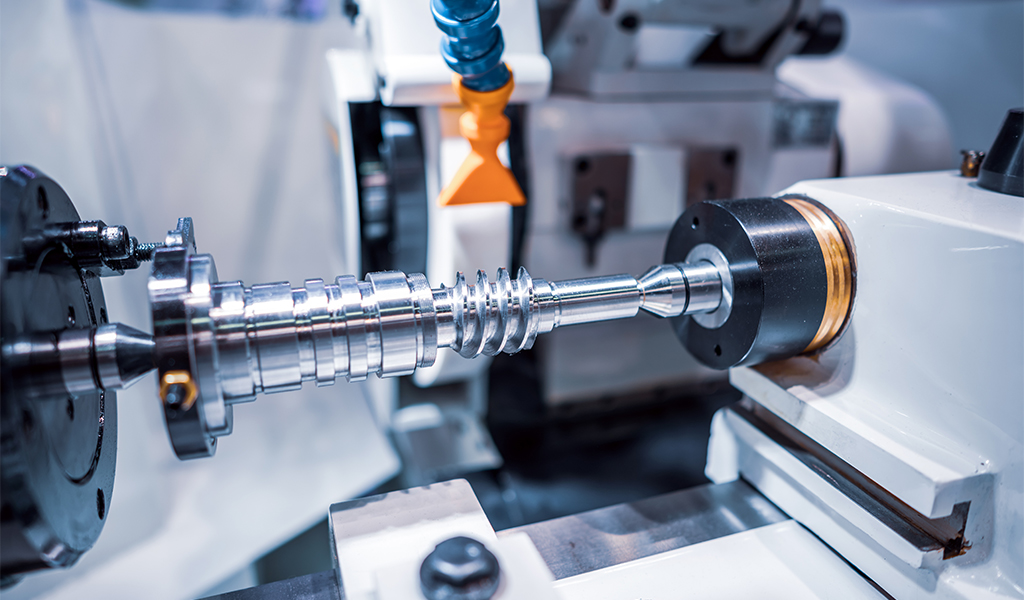
Medical instrumentation often relies on micro-shafts with diameters under 2.0 mm, made from surgical stainless steels (316LVM) or Nitinol. For these applications, we employ Swiss-style sliding headstock lathes with guide bushings. This setup supports the raw material close to the cutting tool, preventing bending deflection and allowing for the generation of complex micro-features with dimensional repeatability of ±1.5 microns.
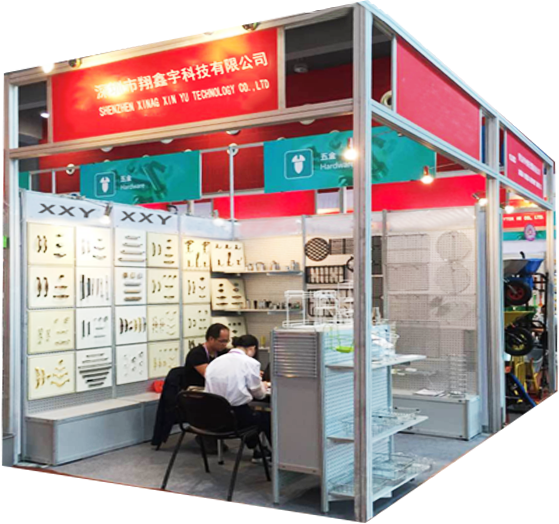
Shenzhen Xiang Xin Yu Technology Co., Ltd. is an enterprise specializing in CNC machining, with many years of industry experience and outstanding technical strength. We are equipped with advanced CNC machine tools and equipment, which can meet the processing requirements of various complex and precise parts. From key components in the aerospace field to high-precision parts in the automotive industry, from fine components in medical equipment to micro-structural parts in the electronics industry, we can provide customers with high-quality products with exquisite craftsmanship and strict quality control.
The company focuses on technological innovation and talent cultivation, and has an experienced and highly skilled professional team. They constantly explore and research new processing techniques and methods to improve production efficiency and product quality. We always adhere to the customer-centered approach, deeply understand customer needs, and provide customers with customized solutions and all-round service support. From order receipt to product delivery, every link is strictly controlled to ensure the timely delivery of high-quality products.
In terms of quality control, we have established a perfect quality management system and strictly manage the purchase of raw materials, production process monitoring, and finished product inspection to ensure that each product meets industry standards and customer requirements. In the future, we will continue to uphold the concepts of professionalism, innovation, quality, and service, constantly enhance our own strength, provide customers with better CNC machining services, and become a leading enterprise in the industry.
Our commitment to reliability, precision, and technological growth is guided by our shared values.
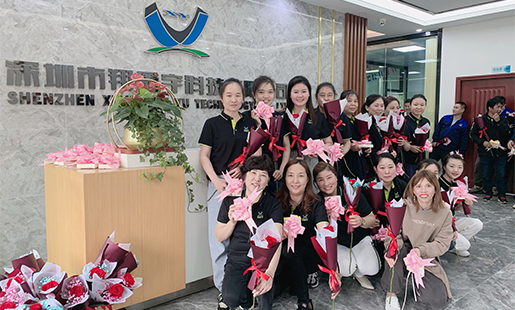
We encourage employees to continuously explore new processing methods and technologies to improve production efficiency and product quality and meet the changing needs of customers.
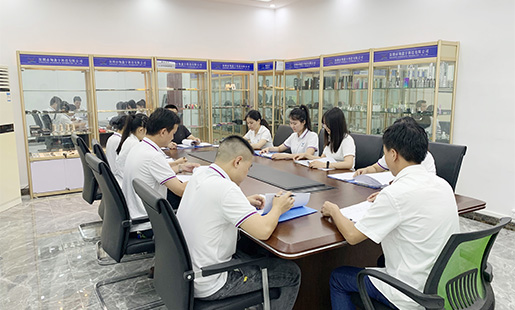
We pursue excellent quality, strictly control every processing link, and strive for zero defects to provide customers with the best products.

Team members support and collaborate with each other, jointly overcome difficulties, share experiences and knowledge, and form a strong whole.

Establish honest and cooperative relationships with customers and suppliers, keep promises, and treat every business with honesty and fairness.
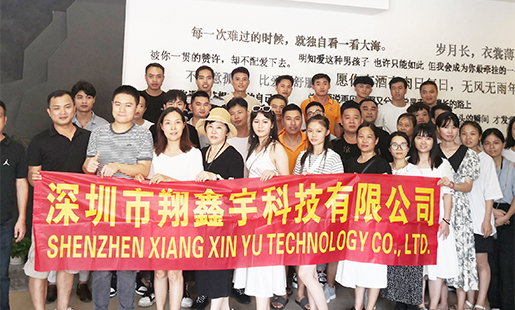
We are well aware that every product is related to the interests and safety of customers. Therefore, we always maintain a high sense of responsibility and take every job seriously.
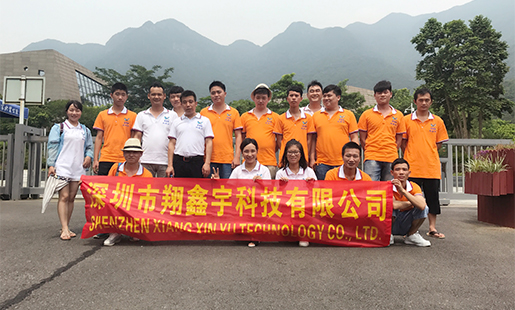
Respect the personality and ideas of each employee, provide a good development space for employees, and also respect the needs and opinions of customers.
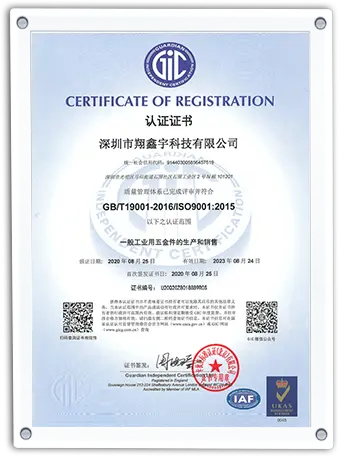
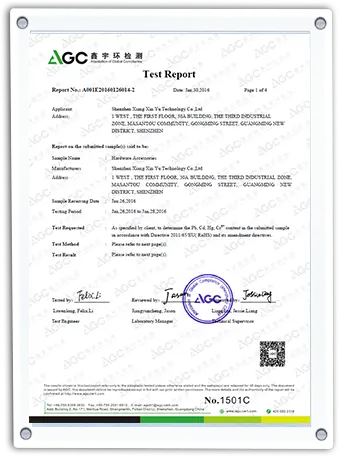
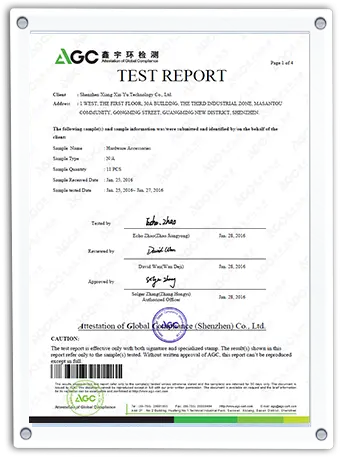
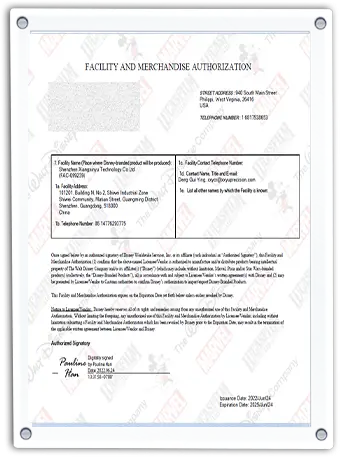
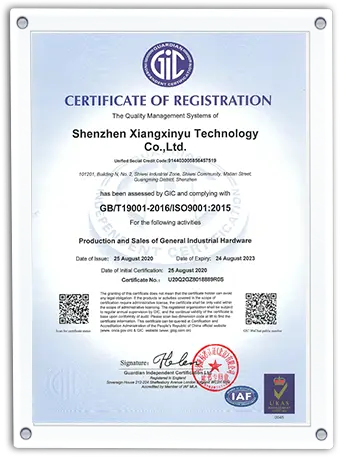
Chinese direct factory for the silicone oil, MM, and other organosilicone materials. In a CNC machining company, professional certificates are important criteria for measuring the technical strength of the company and the professional quality of employees.
Common professional certificates related to CNC machining include:
These professional certificates not only represent the individual professional skills of employees but also reflect the overall technical level and quality assurance ability of the company, helping to enhance the company's competitiveness in the market.
Find expert answers to common technical queries about tolerances, materials, post-processing, and quality control in shaft manufacturing.
Broaden your manufacturing pipeline with our customized precision hardware and advanced additive manufacturing capabilities.
 Xiang Xin Yu