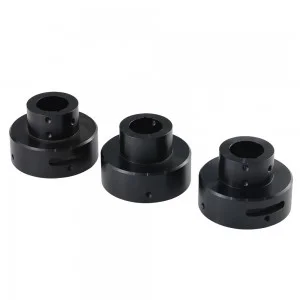
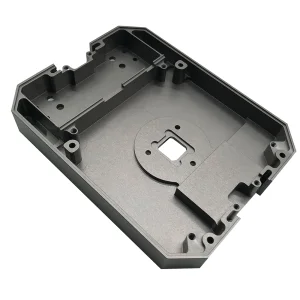
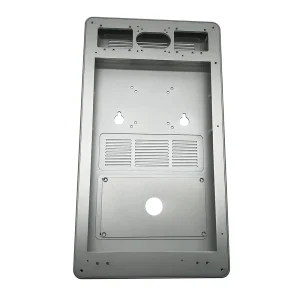
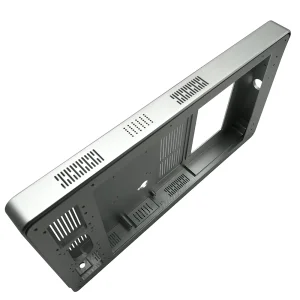
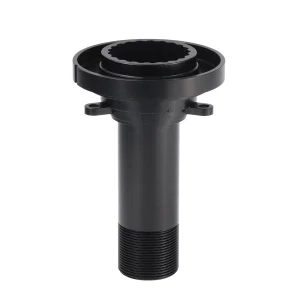
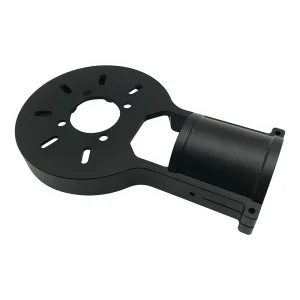
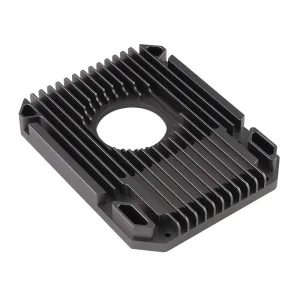
Explore high-fidelity engineering products engineered to rigorous aerospace and medical tolerance standards.
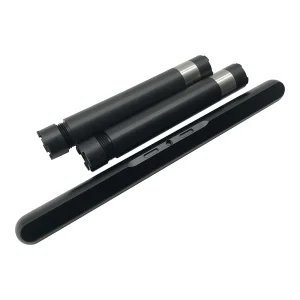
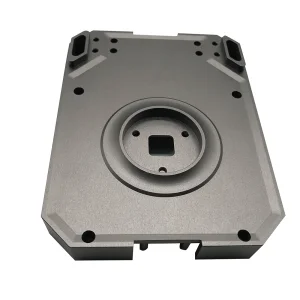
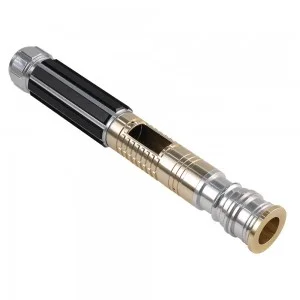
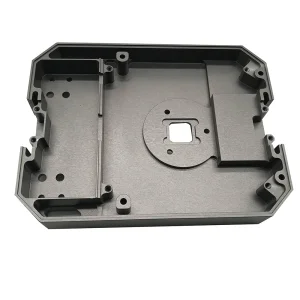
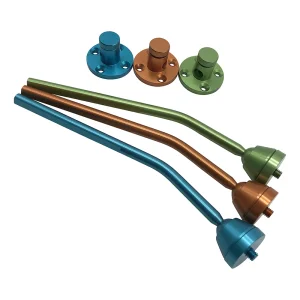
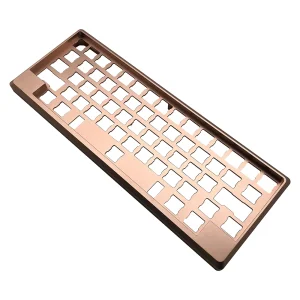
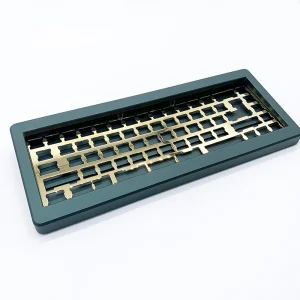
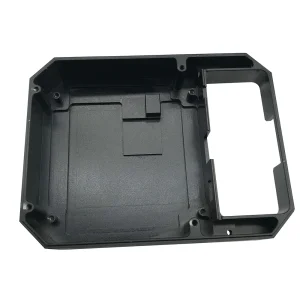
The United Kingdom's manufacturing sector continues to undergo a major digital transformation. As engineering requirements shift from traditional mass production towards high-mix, low-volume, and high-fidelity customization, UK CNC machining suppliers are increasingly forced to balance localized project management, prototyping speed, and global cost-competitiveness. Industries such as aerospace, motorsport (including the Formula 1 supply network), defense, and medical devices demand a robust, agile supply chain that can guarantee micron-level precision and material safety.
Historically, UK manufacturing hubs in the Midlands and Northern England have relied on local machine shops. However, the rise of modern digital supply networks has allowed global direct-manufacturing companies to integrate smoothly into these localized supply pipelines. This hybrid model combines the agility of UK-based engineering consultations with the cost efficiencies, capacity scalability, and raw production power of overseas precision manufacturing centers. This approach guarantees that critical engineering tolerances are met while reducing the high capital expense associated with onshore-only sourcing.
Global sourcing is no longer just about lower labor costs; it is about accessing advanced machinery pipelines and specialized engineering capabilities. Modern UK supply chain directors look for manufacturing partnerships that minimize lead times, maximize material performance, and maintain clear documentation. A hybrid approach allows engineering teams to keep design and rapid prototyping cycles close to home, while leveraging overseas factories for production runs that feature identical machinery setups and quality management systems.
This integration relies on standardization. By using the same CAD/CAM environments, such as MasterCAM or Unigraphics (UG), and maintaining shared quality inspection parameters, a component programmed in London or Bristol can be machined in Shenzhen with total precision. The result is a unified workflow that reduces supply chain risks, stabilizes part costs, and speeds up time-to-market.
Successful procurement relies on choosing suppliers who align with ISO 9001 quality management, maintain complete RoHS compliance, and use multi-axis tooling to complete complex geometries in a single setup.
Shenzhen Xiang Xin Yu Technology Co., Ltd. is a dedicated enterprise specializing in CNC machining, backed by years of industry experience and strong technical capabilities. We are equipped with advanced multi-axis CNC machine tools and inspection equipment, enabling us to handle processing requirements for complex, highly precise parts.
Our capabilities cover key components in the aerospace sector, high-precision parts in the automotive industry, fine components in medical equipment, and micro-structural components in the electronics industry. We provide customers with high-quality products built with precise craftsmanship and backed by strict quality control protocols.
The company focuses on technological innovation and team development, building a highly skilled professional engineering team. Our experts regularly research new machining processes and tooling paths to improve production efficiency, reduce cycle times, and ensure consistent product quality. We maintain a customer-first approach, working to understand your requirements and deliver tailored manufacturing solutions from initial order reception to final delivery.
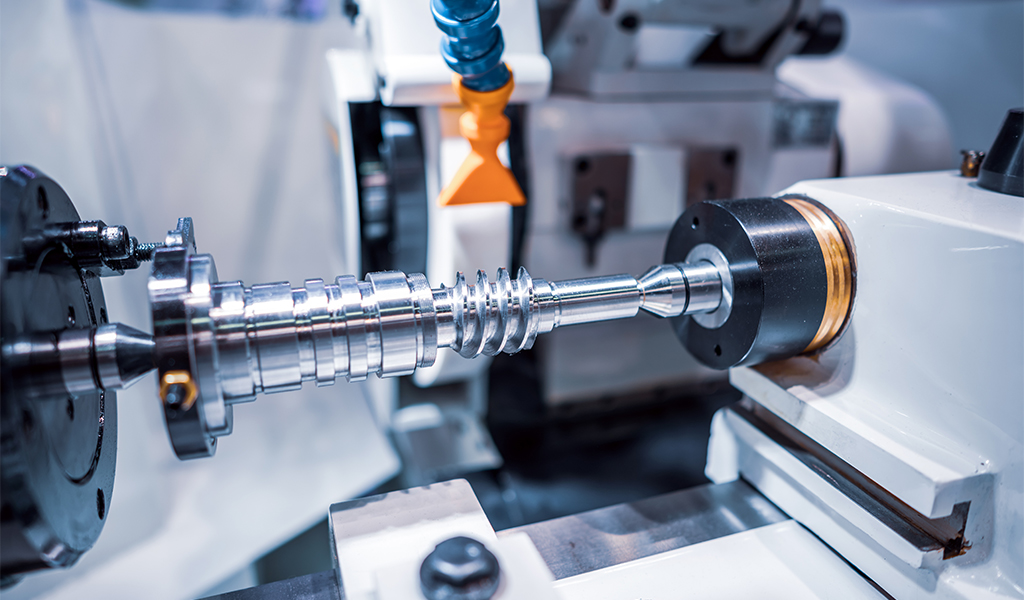
A professional CNC machining company built on a foundation of integrity, innovation, and engineering excellence.
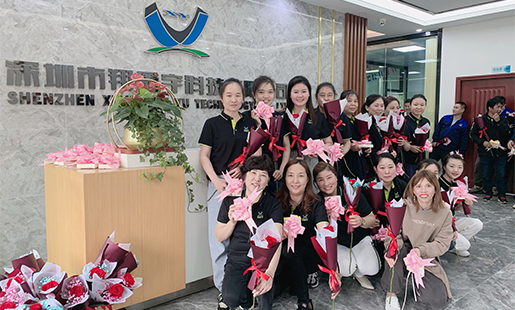
We encourage employees to continuously explore new processing methods and technologies to improve production efficiency, optimize tooling performance, and meet the changing needs of customers.
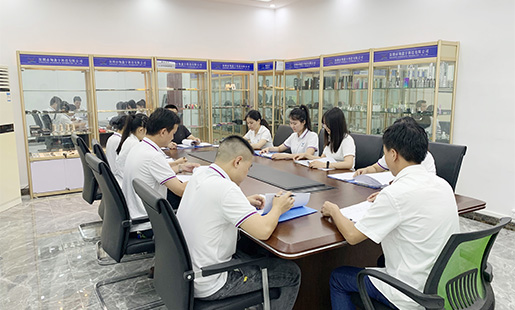
We pursue excellent quality, strictly control every step of the machining process, and work toward zero-defect manufacturing to deliver high-quality components to our global partners.

Our team members support and collaborate with each other, sharing experience and technical knowledge to overcome engineering challenges and work as a unified organization.

We build honest, cooperative relationships with customers and suppliers alike. We keep our promises and approach every transaction with honesty and fairness.
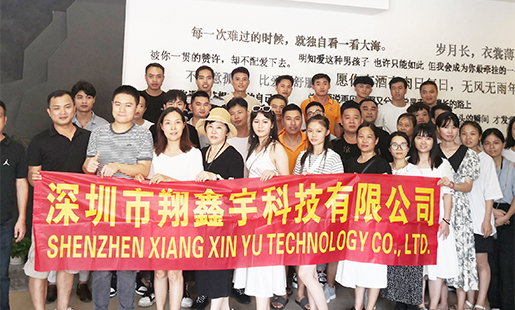
We understand that every component affects the performance and safety of our customers' products. That is why we maintain a high level of responsibility in everything we do.
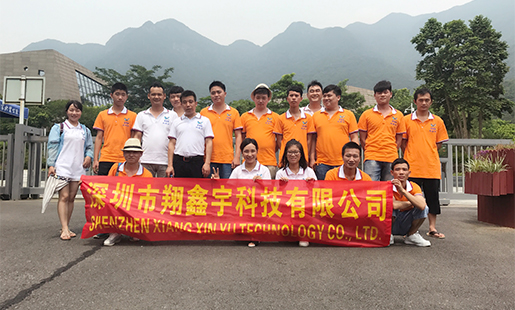
We respect the individuality and ideas of our employees, providing opportunities for professional growth while valuing the feedback and goals of our clients.
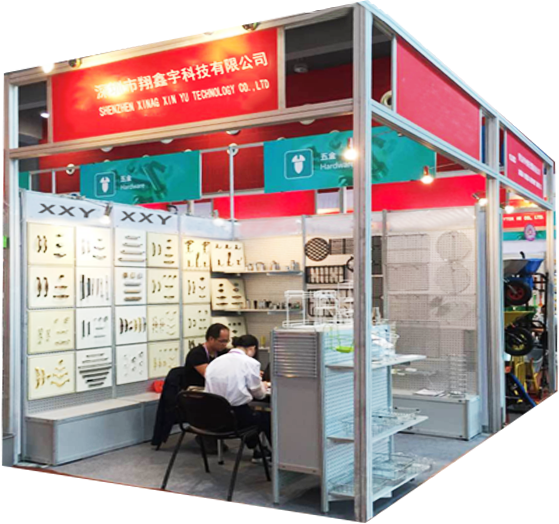
In the high-precision CNC machining sector, professional certifications are key metrics for measuring technical capability and compliance. They show that our manufacturing processes match global aerospace, medical, and industrial standards.
These certifications demonstrate our team's technical skills and our overall quality assurance capabilities, helping us remain competitive in demanding international markets.
Chinese direct factory for the silicone oil, MM, and other organosilicone materials.
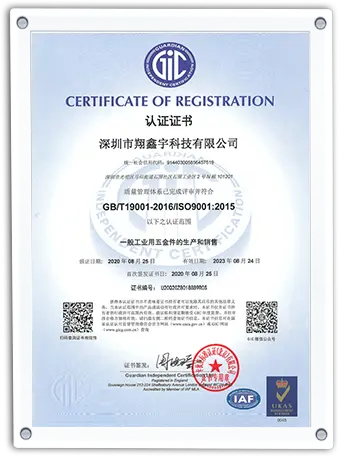
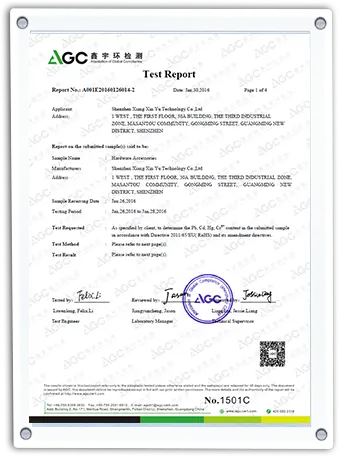
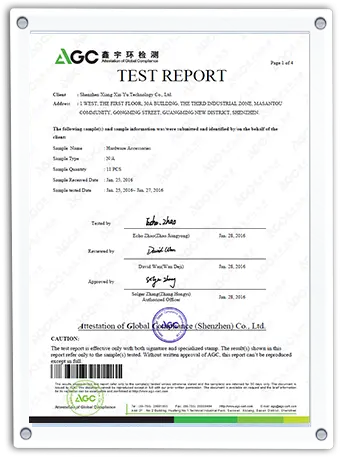
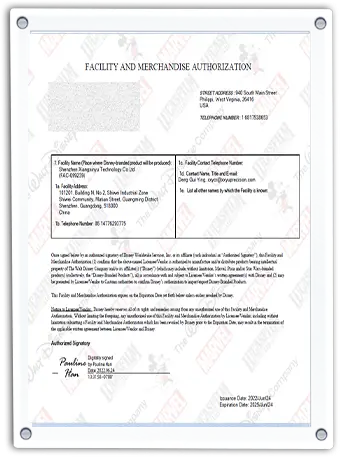
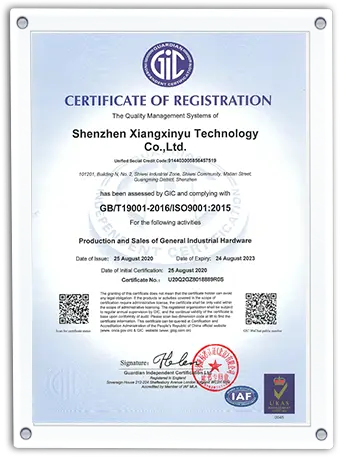
Doing business in the UK requires understanding localized compliance policies. Since Brexit, UKCA (UK Conformity Assessed) marking and CE certifications require careful attention. For UK aerospace and defense applications, raw materials must be traceably sourced with certificate of conformity (CoC) reports that match British Standards (BS) and European Norms (EN).
Additionally, environmental standards like RoHS (Restriction of Hazardous Substances) and REACH (Registration, Evaluation, Authorisation and Restriction of Chemicals) are closely monitored. High-quality CNC manufacturers provide complete documentation, including spectrometer material analyses and CMM (Coordinate Measuring Machine) dimensional reports. This ensures that every shipped batch is ready for integration into safety-critical environments.
The future of CNC manufacturing lies in automation, real-time toolpath correction, and hybrid subtractive-additive setups. As designs become more complex, traditional 3-axis setups are being replaced by 5-axis simultaneous milling centers. This allows parts with complex undercuts and compound angles to be machined in a single setup, reducing human error and improving geometric tolerances.
Integrating artificial intelligence into CAD/CAM software allows engineers to run structural analysis and toolpath simulations before cutting metal. This virtual validation reduces tool wear, avoids raw material waste, and optimizes thermal performance during high-speed cutting of difficult materials like Titanium Grade 5, Inconel, and PEEK.
Answers to common questions regarding lead times, material compliance, and 5-axis capabilities for the UK market.
Explore our turning, milling, and high-precision manufacturing services designed for demanding operating environments.
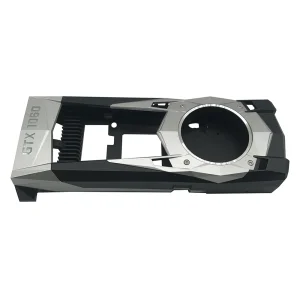
 Xiang Xin Yu