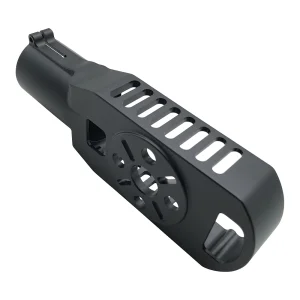
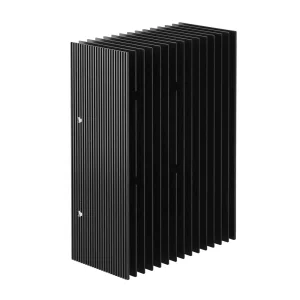
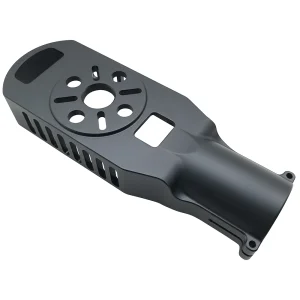
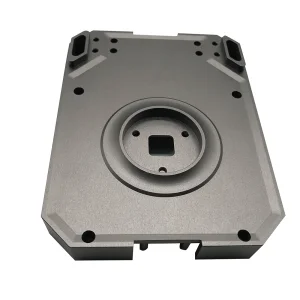
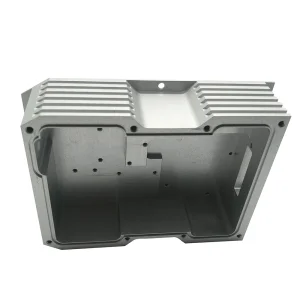
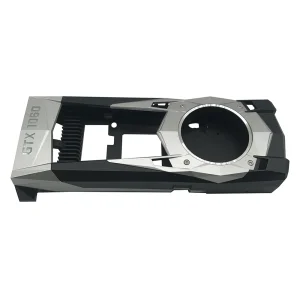
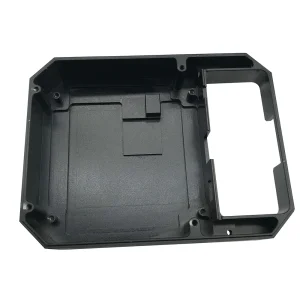
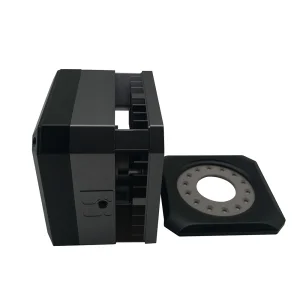
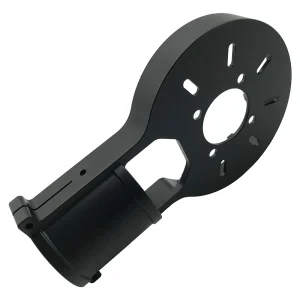
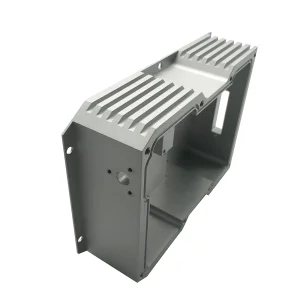
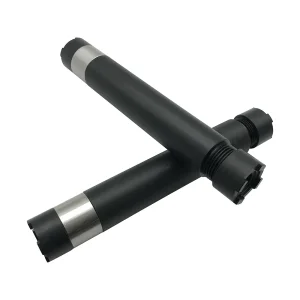
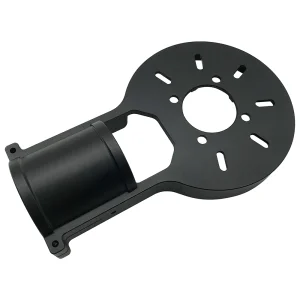
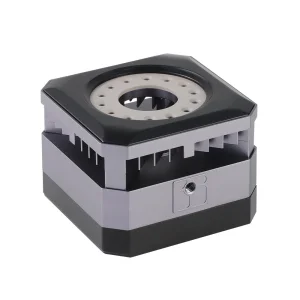
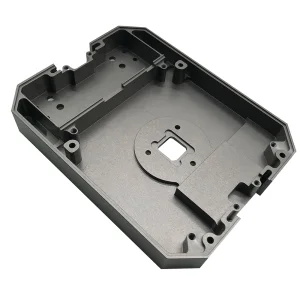
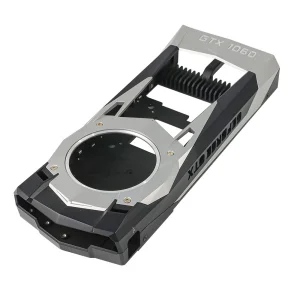
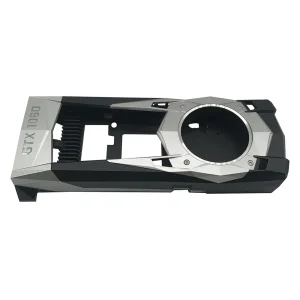
Explore our premium product selections engineered to micro-level specifications and certified tolerances.
Aluminum alloys remain the cornerstone of structural lightweighting and thermal management across next-generation industrial sectors. The transition towards high-velocity, multi-axis subtractive manufacturing processes is driven by the rapid growth of electric vehicles (EV), commercial aerospace expansions, defense applications, and miniaturized telecommunication devices. Contemporary manufacturing environments demand a convergence of high feed-rate optimization, advanced toolpath programming (such as trochoidal milling), and thermal control parameters to prevent thin-wall deflection and microstructural deformation during cutting cycles.
Modern machine shops are forced to evolve beyond standard job-shop capabilities to survive. Integrated multi-axis platforms, automated tool monitoring, and advanced CAD/CAM modeling have transitioned from optional premiums to standard operational baseline requirements. The integration of 6000, 7000, and 2000 series aluminum alloys into structural and functional assemblies requires deep metallurgical expertise to predict machining behavior, manage chip removal dynamics, and maintain absolute surface finish integrity.
“Sourcing from highly integrated digital facilities ensures that components retain structural uniformity while minimizing dimensional variance across mass fabrication runs.”
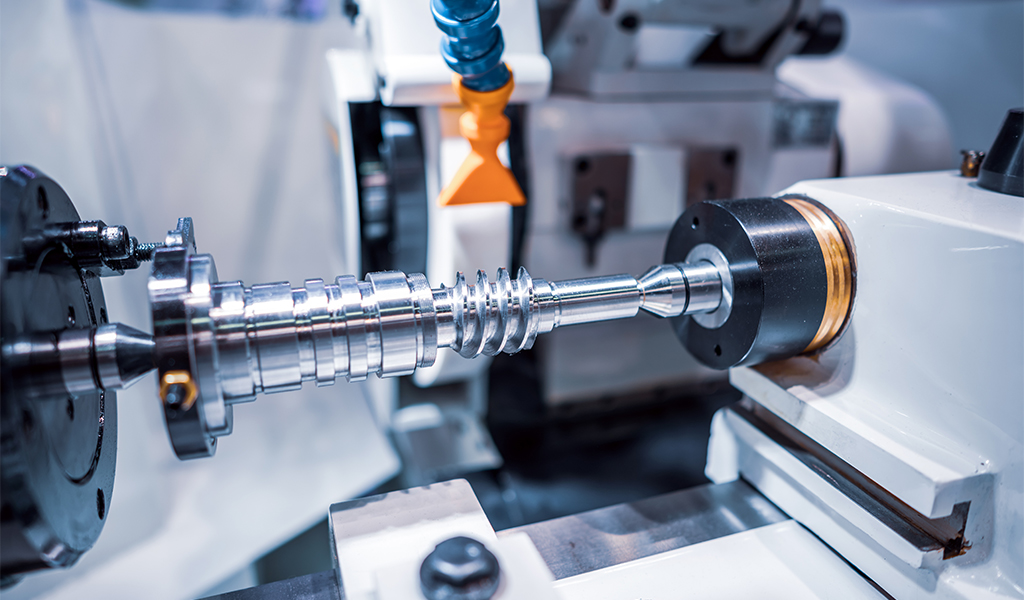
Addressing the strict parameters required by international supply chain procurement executives.
Global procurement teams prioritize tolerances down to ±0.005mm. Meeting GD&T (Geometric Dimensioning and Tolerancing) standards like ASME Y14.5 is imperative for plug-and-play assembly integration.
Uncompromised supply chain visibility requires Mill Test Reports (MTRs), chemical composition analysis, and verification of non-conflict materials. This ensures performance standards in critical operations.
Full compliance with RoHS, REACH, and local environmental standards is necessary to protect supply lines from customs delays, legal liabilities, and operational bottlenecks.
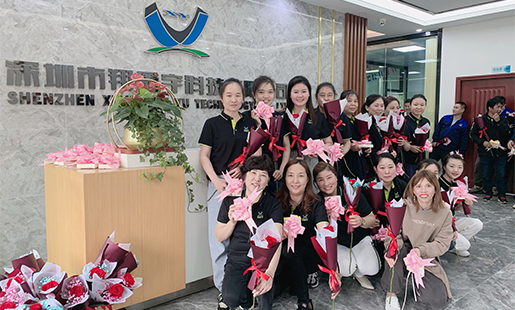
By leveraging advanced hardware ecosystems, Chinese manufacturers—specifically within technological epicenters like Shenzhen—have pioneered the transition into Industry 4.0 paradigms. Modern CNC machining setups combine high-speed multi-axis mills with IoT-enabled toolpath diagnostics, real-time tool wear sensors, and integrated automated material replenishment routes. This dynamic infrastructure minimizes standard human error components, resulting in unprecedented repeatability and cycle efficiency.
In addition to advanced machine automation, the local micro-supply chain structure yields remarkable economic and structural efficiency. Specialized processing, raw material extrusion mills, surface finishing shops (anodizing, passivation, chem-film), and logistical transport nodes are clustered in close geographical proximity. This cluster dynamic eliminates standard shipping transit delays, reduces processing lead times, and enhances supply chain resilience against global logistics blockages.
Precision Tolerance Capabilities
Simultaneous Interpolation Machining
RoHS & REACH Compliance
Quality System Audited Facility
Shenzhen Xiang Xin Yu Technology Co., Ltd. is a premier enterprise specializing in high-precision CNC machining, boasting years of industry experience and outstanding technical expertise. We are equipped with advanced CNC machine tools and inspection equipment capable of meeting the most complex and precise part processing requirements.
Our operational capabilities range from critical components in the aerospace field to high-precision parts in the automotive industry, as well as delicate micro-components in medical devices and complex micro-structures in consumer electronics. With exquisite craftsmanship and rigorous, process-driven quality control, we consistently deliver high-quality parts that meet international standards.
We focus on continuous technical innovation and talent development. Our professional engineering team actively researches new machining techniques, optimizes cutting toolpaths, and refines processes to improve production efficiency and raw material utilization. Adhering to a customer-centric model, we deeply analyze client designs to offer optimized customized manufacturing solutions from design validation to final shipping.
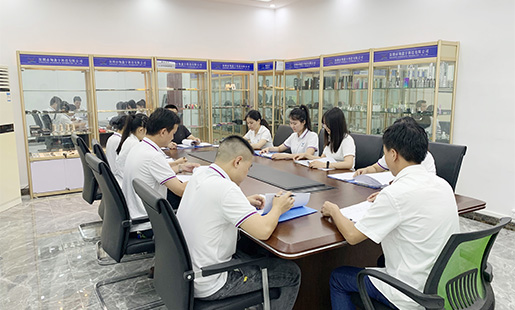
A professional approach to high-performance component engineering requires cultural alignment with quality, accountability, and technical innovation.
We encourage our engineers and machinists to constantly explore new processing techniques, tooling designs, and software integrations to optimize cycle times and improve output stability.
We target zero defects by enforcing rigorous quality control checks at every stage of the manufacturing cycle, from incoming raw material analysis to final metrology verification.

Our cross-functional teams work collaboratively with client engineering groups to resolve design-for-manufacturability (DFM) challenges and establish optimal manufacturing processes.

We build long-term, transparent relationships with suppliers and clients alike, adhering strictly to dimensional, material, and lead-time commitments.
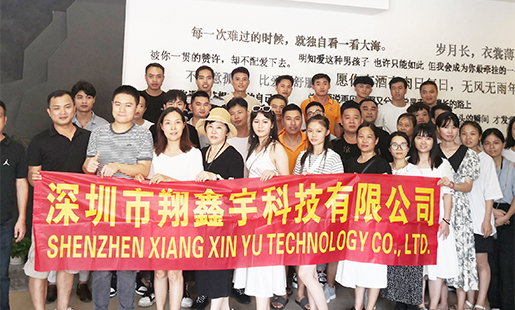
Recognizing that our precision parts are often critical components in automotive safety or aerospace assemblies, we maintain a strict standard of traceability and quality assurance.
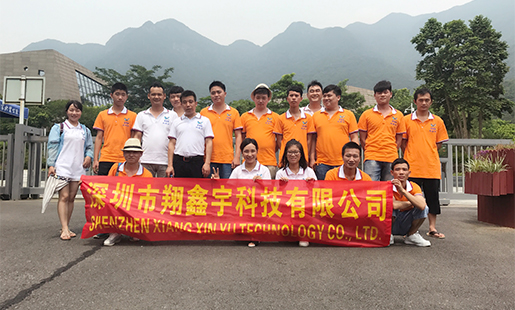
We respect the individual capabilities and career growth of our workforce, while prioritizing and honoring the proprietary technical intellectual property of our global clients.
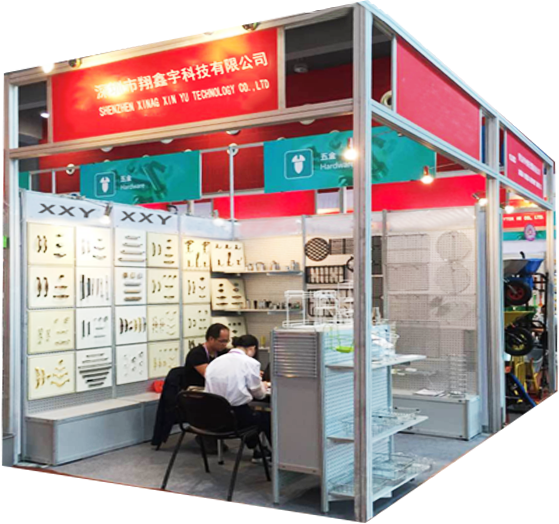
In high-precision manufacturing, professional credentials serve as primary metrics for validating engineering capability and product quality assurance. Our operational staff and facility carry crucial certifications to maintain continuous alignment with international industry standards:
Verified documentation supporting international material integrity, chemical compliance, and quality control systems.
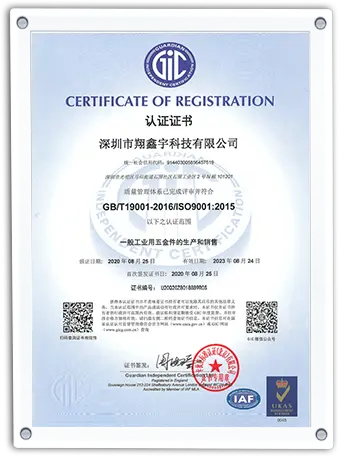
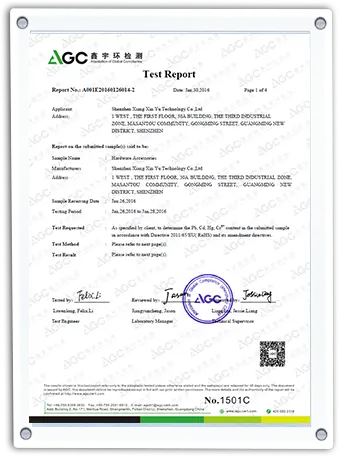
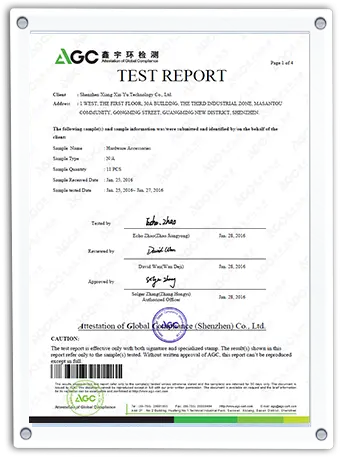
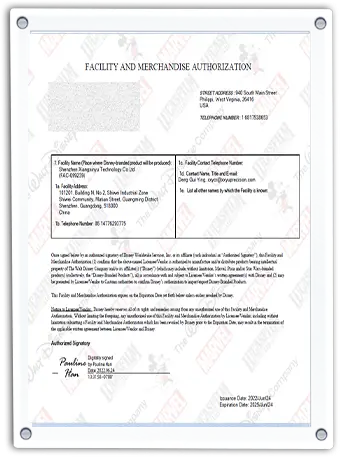
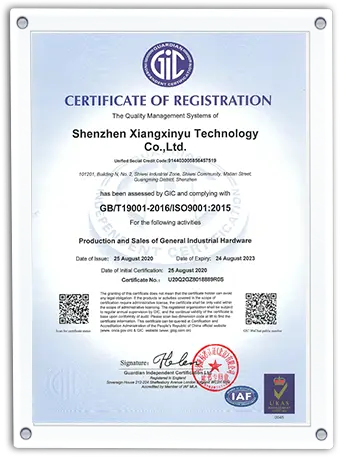
How our precision aluminum machined components perform in challenging operational environments.
Utilizing high-strength 7075-T6 aluminum alloys, we machine structural bulkheads, brackets, and wing ribs that must withstand heavy load profiles while minimizing deadweight.
We fabricate high-efficiency liquid cooling plates and motor housings for new energy vehicles (NEVs). Excellent thermal conductivity and geometric precision ensure reliable heat dissipation.
Using 6061-T6 and biocompatible materials, we machine end-effectors, housing units, and structural assemblies for robotic surgery devices that require strict dimensional accuracy.
Addressing key engineering, compliance, and supply chain queries from international technical buyers.
Aluminum 7075-T6 offers significantly higher tensile strength and yield strength, comparable to some structural steels, making it ideal for high-stress aerospace and military applications. However, 6061-T6 provides superior weldability, excellent corrosion resistance, and is more cost-effective for general structural and component-level applications.
We mitigate thin-wall distortion by executing multi-stage milling strategies. We utilize customized fixtures, optimized tool geometries to reduce tool pressure, high-speed trochoidal toolpaths, and intermediate stress-relief heat treatments where applicable. This ensures the physical geometry remains true to engineering models post-machining.
We provide a comprehensive range of surface treatments through local vertical partners, including: Type II sulfuric anodizing, Type III hardcoat anodizing, chromate conversion coatings (Alodine/Chem-film), bead blasting, chemical passivation, powder coating, and laser engraving.
All incoming raw material batches are accompanied by Mill Test Certificates (MTC). We conduct periodic third-party spectrographic analysis tests to verify chemical composition (zinc, copper, magnesium contents, etc.) and physical hardness prior to releasing raw stock into production lines.
Yes. All of our production processes, raw materials, and secondary surface plating operations are fully RoHS and REACH compliant, preventing the use of hazardous substances like lead, mercury, hexavalent chromium, and polybrominated biphenyls.
Explore our advanced non-standard CNC hardware products, multi-axis composite turning, and die casting components.
 Xiang Xin Yu