Access localized precision and global economic scaling via our top-tier manufacturing lines.
How OEM/ODM buyers leverage technological innovation to achieve massive cost savings without sacrificing structural integrity.
In the high-stakes sector of industrial manufacturing, acquiring a Machine Shop Quote is no longer just a pricing transaction; it is a critical optimization phase. Global industries are moving away from traditional bidding models to integrated, AI-assisted estimation platforms that utilize real-time material price indexes, regional labor dynamics, and geometric complexity algorithms. By restructuring how we approach procurement, modern factories can pass significant cost savings down the line, resulting in highly competitive discount pricing for precision-engineered components.
When engineering teams request quotes for complex parts, a balance must be struck between nominal tolerances, surface finish requirements, and overall machinability. A discount machine shop leverages cutting-edge CNC machining centers, automated tool-path calculations, and optimized material utilization strategies to drive down the cost-per-part metrics. In this comprehensive guide, we dissect the shifting dynamics of global CNC procurement, outline critical strategies for maximizing financial and geometric efficiency, and present the production values of one of China’s leading CNC innovators: Shenzhen Xiang Xin Yu Technology Co., Ltd.
Deciphering the anatomy of a CNC machining quote to identify key cost-saving nodes.
| Machining Strategy | Typical Applications | Dimensional Tolerance Capability | Cost Optimization Potential |
|---|---|---|---|
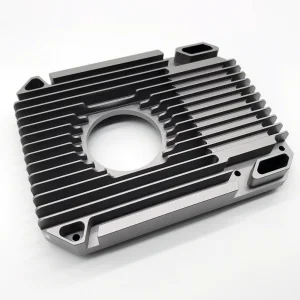
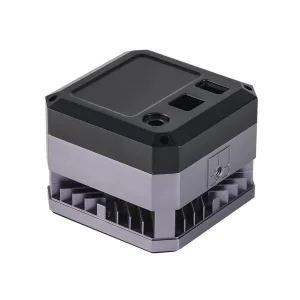
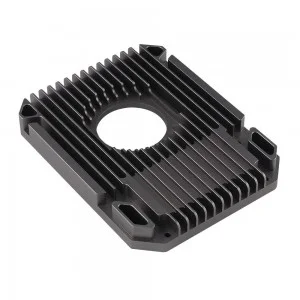
| 3 & 4-Axis CNC Milling | Enclosures, brackets, heat sinks, structural fittings | ± 0.01 mm | High - ideal for flat and prismatic geometries |
| Simultaneous 5-Axis Milling | Impellers, turbine blades, complex opto-mechanics | ± 0.005 mm | Medium - reduces setup stages but requires high-end tooling |
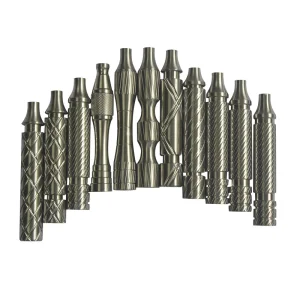
| Swiss-Type Turning | Medical implants, miniature connectors, custom pins | ± 0.003 mm | Very High - optimized for long, slender, high-volume components |
| Turn-Mill Composites | Valves, hydraulic shafts, complex cylindrical geometries | ± 0.008 mm | High - processes complex components in a single machine cycle |
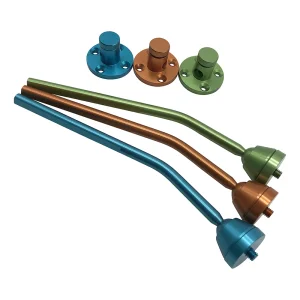
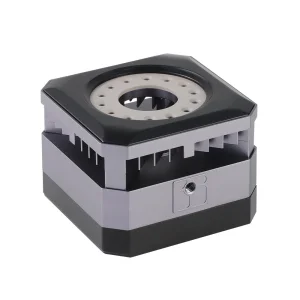
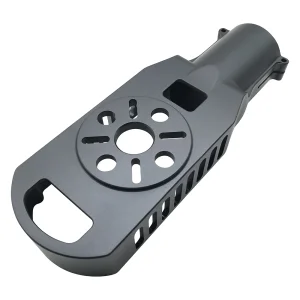
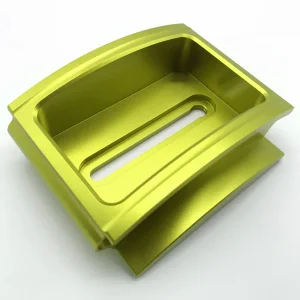
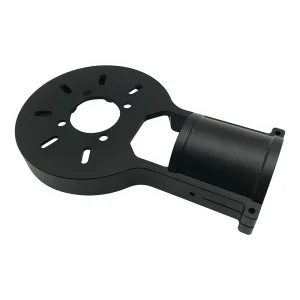
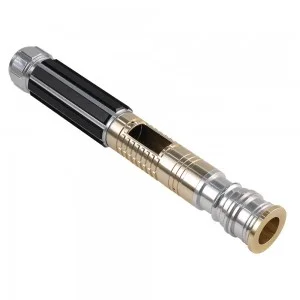
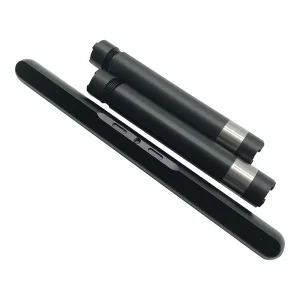
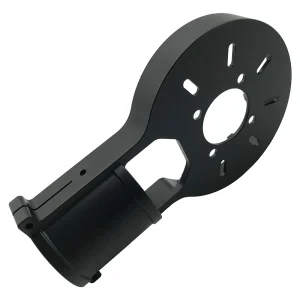
Shenzhen Xiang Xin Yu Technology Co., Ltd. is an enterprise specializing in CNC machining, with many years of industry experience and outstanding technical strength. We are equipped with advanced CNC machine tools and equipment, which can meet the processing requirements of various complex and precise parts. From key components in the aerospace field to high-precision parts in the automotive industry, from fine components in medical equipment to micro-structural parts in the electronics industry, we can provide customers with high-quality products with exquisite craftsmanship and strict quality control.
The company focuses on technological innovation and talent cultivation, and has an experienced and highly skilled professional team. They constantly explore and research new processing techniques and methods to improve production efficiency and product quality. We always adhere to the customer-centered approach, deeply understand customer needs, and provide customers with customized solutions and all-round service support. From order receipt to product delivery, every link is strictly controlled to ensure the timely delivery of high-quality products.
In terms of quality control, we have established a perfect quality management system and strictly manage the purchase of raw materials, production process monitoring and finished product inspection to ensure that each product meets industry standards and customer requirements. In the future, we will continue to uphold the concepts of professionalism, innovation, quality and service, constantly enhance our own strength, provide customers with better CNC machining services, and become a leading enterprise in the industry.
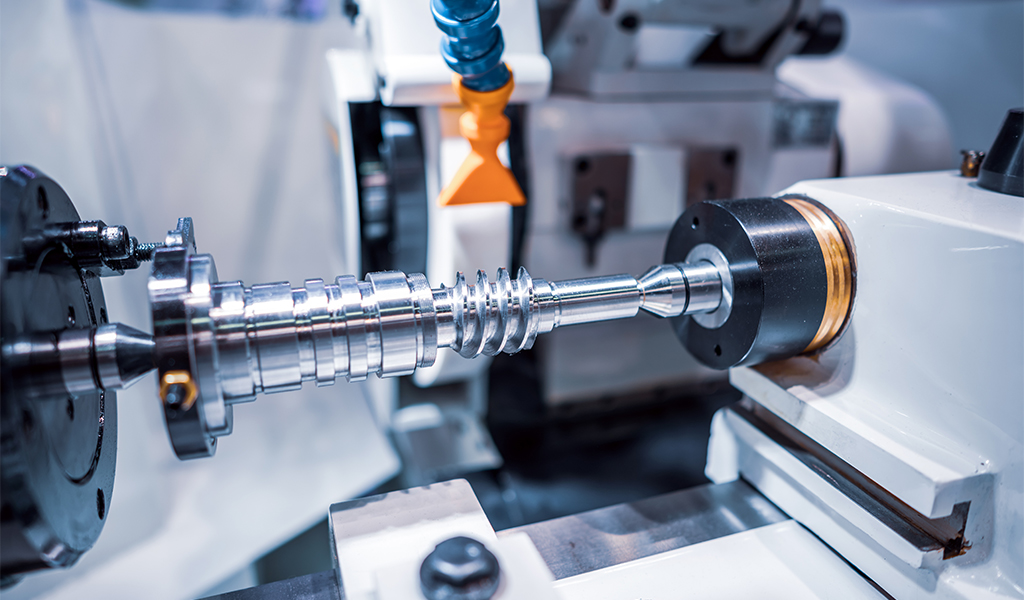
How our core values drive superior quality output for complex custom components.
We are a professional CNC machining company, and our corporate culture is built on the following core values:
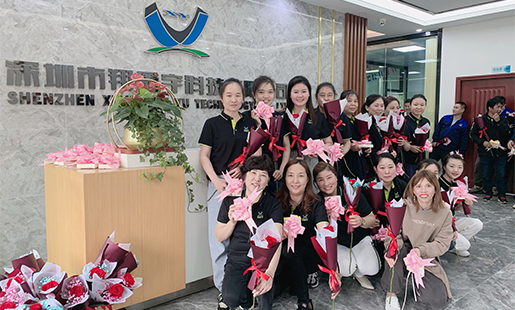
We encourage employees to continuously explore new processing methods and technologies to improve production efficiency and product quality and meet the changing needs of customers.
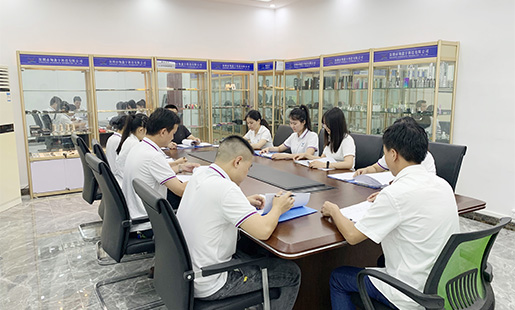
We pursue excellent quality, strictly control every processing link, and strive for zero defects to provide customers with the best products.
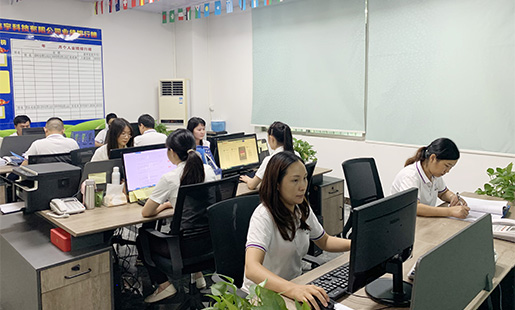
Team members support and collaborate with each other, jointly overcome difficulties, share experiences and knowledge, and form a strong whole.

Establish honest and cooperative relationships with customers and suppliers, keep promises, and treat every business with honesty and fairness.
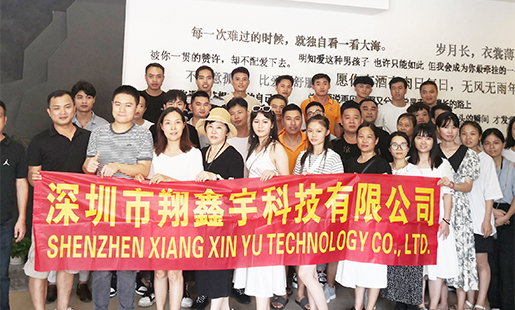
We are well aware that every product is related to the interests and safety of customers. Therefore, we always maintain a high sense of responsibility and take every job seriously.
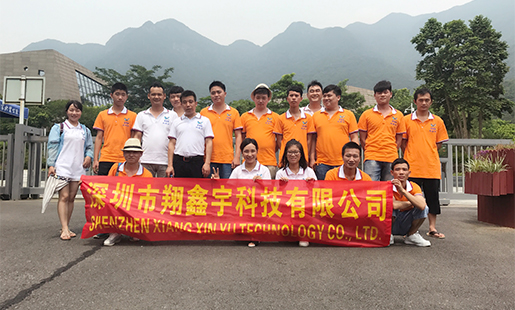
Respect the personality and ideas of each employee, provide a good development space for employees, and also respect the needs and opinions of customers.
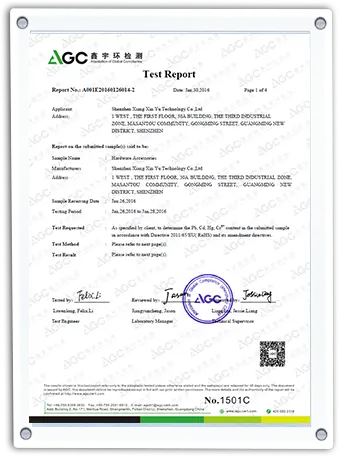
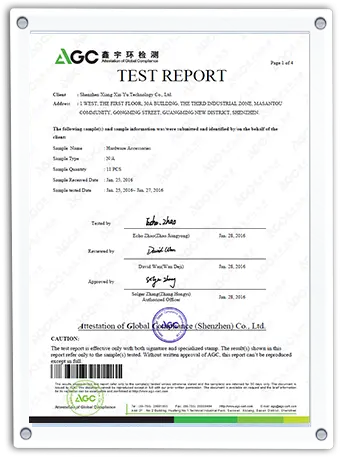
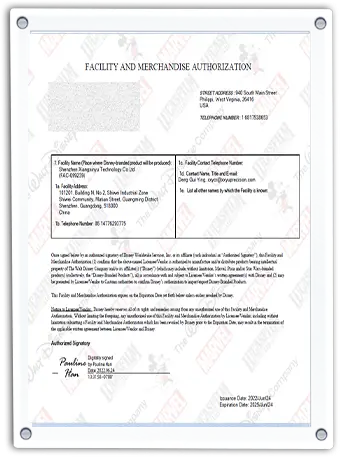
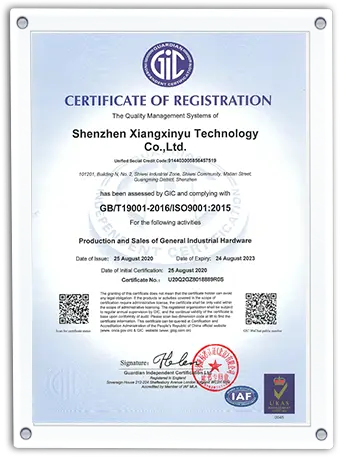
In a CNC machining company, professional certificates are important criteria for measuring the technical strength of the company and the professional quality of employees. These professional certificates not only represent the individual professional skills of employees but also reflect the overall technical level and quality assurance ability of the company, helping to enhance the company's competitiveness in the market.
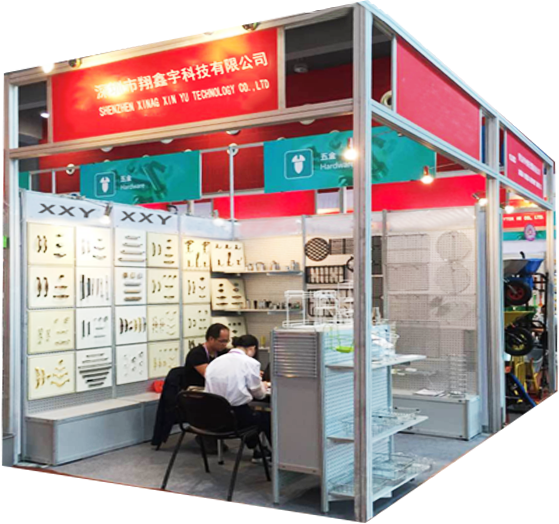
Chinese direct factory for silicone oil, MM, and other organosilicone materials - ensuring complete environmental safety and raw material traceabilities.
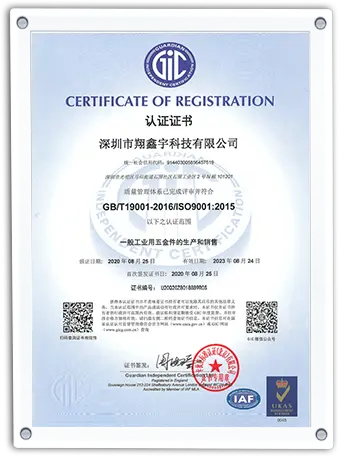
How algorithmic manufacturing, hybrid setups, and cloud intelligence shape the next generation of industrial components.
AI algorithms analyze structural CAD data to automatically generate optimal milling paths. This dramatically reduces roughing cycles, minimizes cutting tool stress, and decreases raw maching hours—cutting baseline costs by up to 25% for complex geometrics.
Integrating direct metal laser sintering (DMLS) with traditional high-velocity milling allows us to create components with complex internal cavities and highly polished exterior faces. This mitigates raw-material scrap and speeds up delivery times for specialized assemblies.
Equipping Coordinate Measuring Machines (CMM) with closed-loop optical feedback pipelines enables real-time tool compensation. If a cutting cutter deviates by even a single micron due to thermal expansions, the CNC adjusts instantly, securing near-zero scrap rates.
Key criteria for procurement managers looking to minimize budgets while maintaining premium structural reliability.
Purchasing components from low-cost suppliers often comes with hidden risks: structural inconsistencies, dimensional drift, lack of documentation, and delayed deliveries. To secure high-value discounts while preserving structural safety, implement this audit framework during evaluation:
Always demand Mill Test Reports (MTRs) to confirm raw stock composition matches standard specifications (e.g., verifying that Aluminum 6061 possesses the appropriate mechanical properties and temper). This step mitigates failures under extreme shear or load stress.
For high-precision aerospace or medical devices, ask for Cpk statistical data. A Cpk of 1.33 or greater guarantees the manufacturer’s machine tools can repeatedly hold the target tolerances without creating parts outside specifications.
Using a machine shop that offers post-processing—such as Type II/III anodizing, passivating, electropolishing, powder coating, or heat treatment—eliminates logistics overhead and extra quality risks from multiple third-party vendors.
Clear, technical answers to common queries regarding pricing, lead times, and engineering parameters.
Explore our complete range of customizable CNC milling, turning, sheet metal, and multi-axis options.
 Xiang Xin Yu