Explore our state-of-the-art lathe component categories engineered for multi-industry deployment.
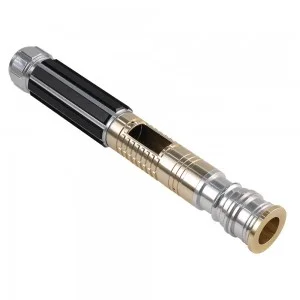
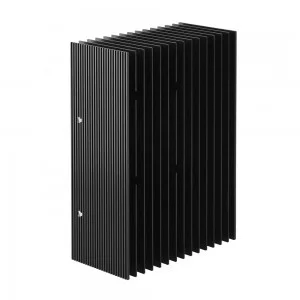
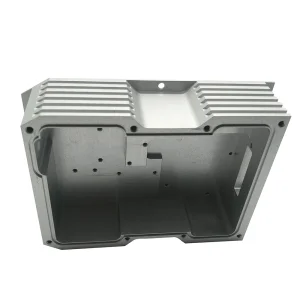
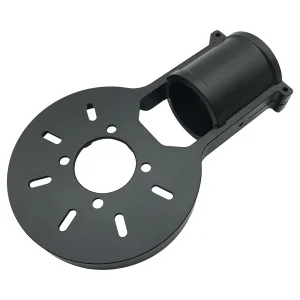
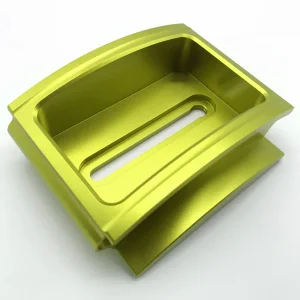
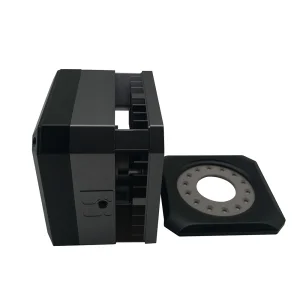
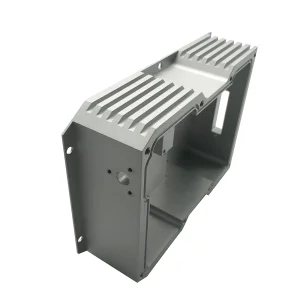
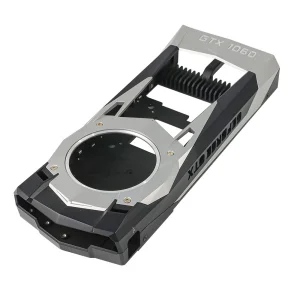
Unlocking supply chain agility, cost minimization, and unmatched quality control parameters for modern industrial applications.
In the contemporary landscape of high-stakes industrial manufacturing, sourcing premium custom lathe parts is no longer a matter of basic vendor screening. Global procurement teams representing the aerospace, surgical, defense, and high-speed transit sectors are dealing with complex compliance requirements, highly fluctuating raw material index costs, and localized logistics constraints. Sub-micron accuracy is the baseline requirement. Selecting an appropriate custom lathe parts supplier demands an analysis of their geometric capabilities, automation capabilities, statistical control protocols, and raw material access.
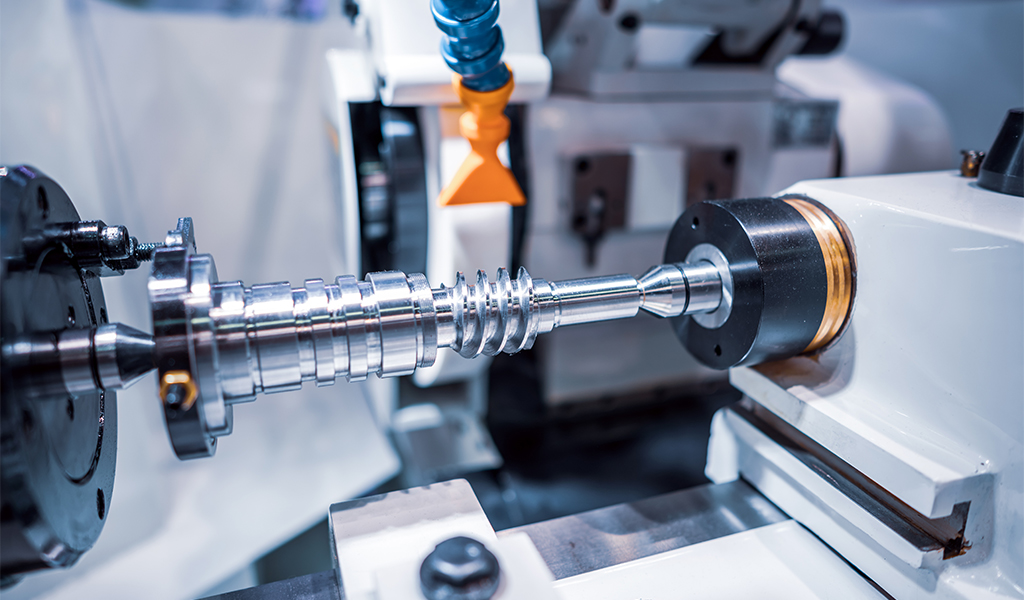
Industrial operations rely heavily on Swiss-type lathe turning systems and multi-axis turning centers to handle complex, narrow geometries while minimizing tool deflection. The procurement mandate goes beyond pricing to look closely at quality systems (such as PPAP Level 3 documentation, FAI protocols, and raw material lot traceability). For design teams, knowing the exact tolerances of custom lathe parts reduces downstream assembly errors, mitigates field risk, and extends product lifespan.
Utilizing high-frequency Statistical Process Control (SPC) loops to monitor critical dimensions, guaranteeing repeatability down to ±0.005mm.
Implementing live-tooling Swiss machining options to eliminate secondary milling setups, lowering turnaround times by up to 35%.
Ensuring compliance with RoHS directives, REACH regulations, and clean packaging specifications for medical applications.
Decoupling micro-tolerances from manufacturing limits. An engineering analysis of material capabilities and process optimization.
Precision turning is a balance of metallurgy, thermodynamics, and kinetic toolpaths. As materials like Inconel 718, Titanium Grade 5, and specialized biocompatible plastics (such as PEEK and medical-grade PTFE) find wider use across industries, standard lathe setups face limitations. Modern manufacturing demands multi-axis configuration, dynamic thermal calibration, and active vibrational dampening to consistently hold tolerances across large production runs.
| Machining Modality | Dimensional Tolerance Range | Surface Roughness (Ra) | Optimal Outer Diameter (OD) | Target Applications |
|---|---|---|---|---|
| Swiss-Type Sliding Headstock CNC | ± 0.002 mm - ± 0.005 mm | < 0.4 µm | 0.5 mm - 32 mm | Surgical implants, dental screws, aerospace sensor pins, optical hardware. |
| Multi-Tasking Turning Center (Live Tooling) | ± 0.008 mm - ± 0.012 mm | < 0.8 µm | 10 mm - 250 mm | Automotive transmission shafts, complex aerospace manifolds, hydraulic pistons. |
| Conventional Multi-Spindle Turning | ± 0.015 mm - ± 0.025 mm | < 1.6 µm | 8 mm - 65 mm | High-volume hardware fasteners, industrial pipe couplers, generic bushings. |
Technical Insight: Swiss-type machining holds a key advantage by supporting the stock close to the guide bushing throughout the cutting process. This design mitigates bar stock deflection, allowing for high aspect ratio turned components to be manufactured with minimal vibration and dimensional deviation.
Your Global Manufacturing Partner for Advanced CNC Machining and Precision Engineering Solutions.
Shenzhen Xiang Xin Yu Technology Co., Ltd. is a specialized enterprise in the CNC machining industry, backed by years of manufacturing experience and technical expertise. Equipped with advanced CNC machine tools and inspection equipment, the company is built to handle complex and high-precision parts processing. Our capabilities span aerospace components, automotive precision parts, medical assembly parts, and micro-structured electronics hardware, delivering high-quality products backed by strict quality control protocols.
The company maintains a strong focus on technical innovation and team development. Our engineering team continuously evaluates and refines machining processes to improve production yields, reduce cycle times, and control customer costs. We work closely with clients to understand their project requirements and provide tailored engineering support from initial DFM analysis through to final component delivery.
Our core operational principles guide every production process, quality inspection, and client relationship.
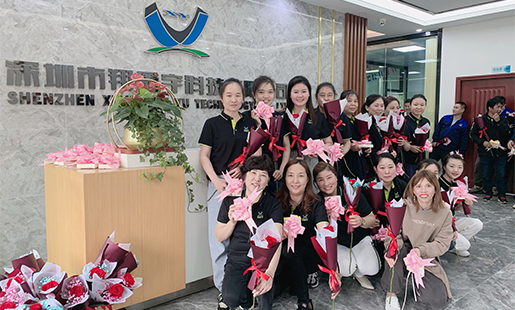
We encourage team members to explore new toolpaths, programming techniques, and tooling setups to improve production efficiency and product quality.
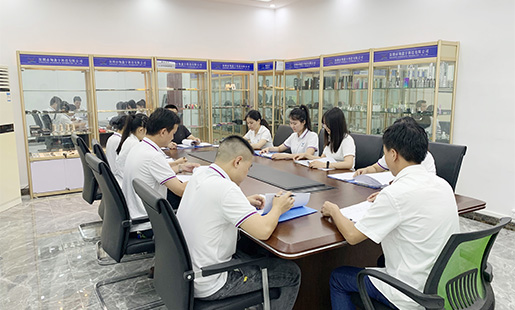
We target low defect rates across all production phases, relying on multi-tier inspection gates to ensure compliance with customer drawings.

Team members collaborate internally and work closely with client engineering departments to resolve design challenges early in the cycle.

We work to build long-term, transparent relationships with customers and material suppliers, ensuring clear communication throughout each project.
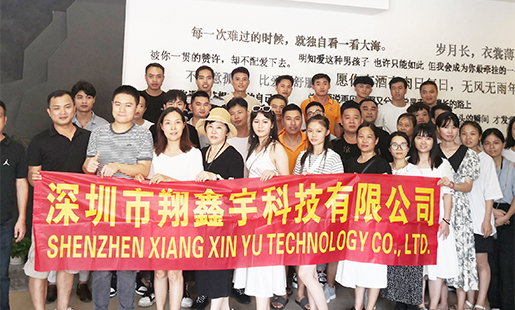
We recognize that component precision impacts product assembly and safety. Each machining run is handled with careful attention to detail.
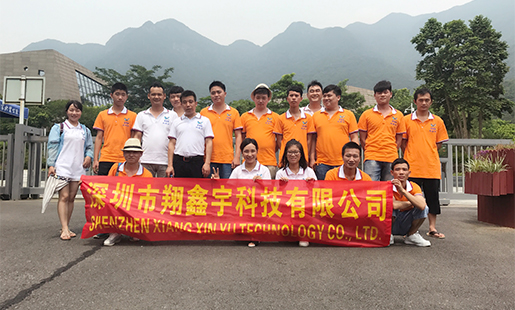
We foster a supportive workplace that values employee development, while respecting and adapting to the project needs of our customers.
Technical capabilities and quality assurance protocols for high-precision manufacturing.
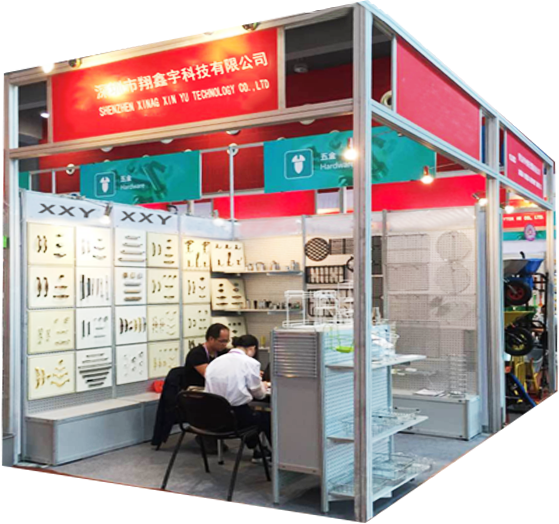
At Shenzhen Xiang Xin Yu Technology Co., Ltd., quality control is backed by structured inspection equipment and trained personnel. We maintain step-by-step quality gates starting at raw material check-in and continuing through in-process inspection and final dimension confirmation. This ensures that every batch meets the dimensional tolerances and surface finish requirements specified in customer drawings.
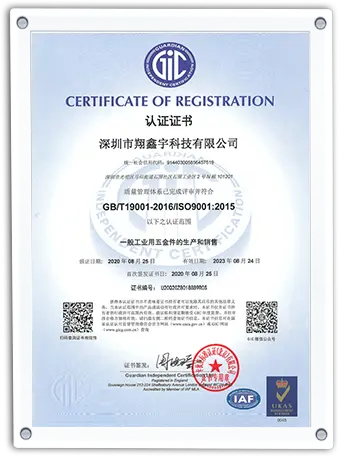
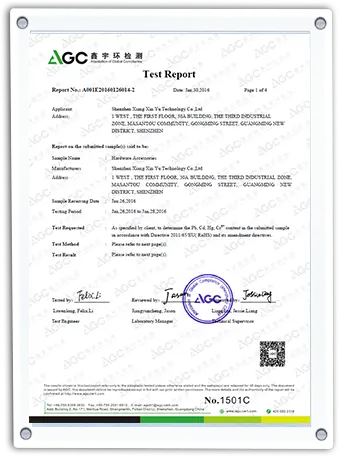
Verified documentation ensuring raw material and finish compliance for global trade and industrial applications.
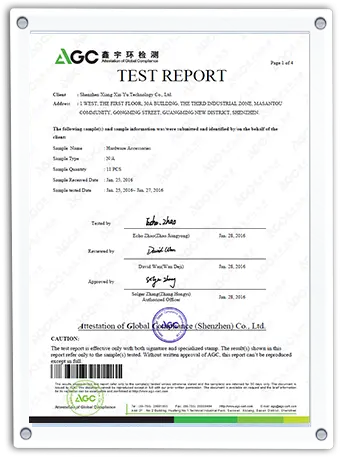
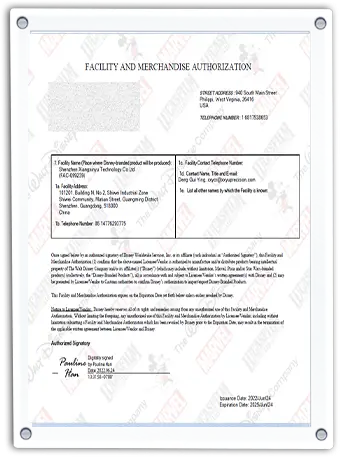
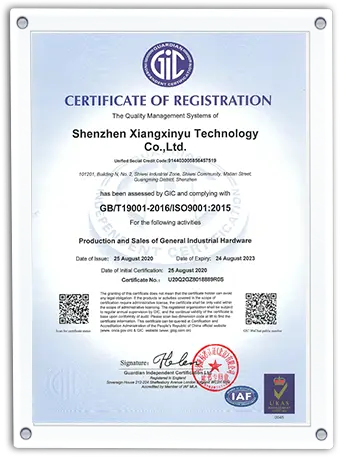
Expert technical insights regarding material performance, geometric limitations, and cost optimization for turned parts.
For standard CNC turning centers, an aspect ratio (length to diameter) of 3:1 to 4:1 is typical without supporting hardware. Exceeding this aspect ratio often introduces part deflection and tool vibration, which can affect tolerances. However, by using Swiss-type lathes equipped with guide bushings, we can support ratios up to 10:1 or even 20:1 in a single pass. This setup maintains the tool path very close to the support bushing, ensuring consistent dimensions.
Material machinability impacts production costs. Free-machining alloys, such as Brass 360 or Aluminum 6061-T6, allow for high feed rates and minimal tool wear, helping control unit costs. On the other hand, tough materials like Inconel 718, Hastelloy, or Titanium Grade 5 require slower cutting speeds and specialized tool coatings to manage heat and wear. Designing parts with standard, readily available materials when specialized alloys aren't required helps optimize both material costs and cycle times.
We use a combination of inline tool life monitoring, automated tool changes, and high-pressure through-spindle coolant systems. In-process probing detects dimensional shifts indicating tool wear before parts drift out of tolerance. For abrasive or hard materials, we select carbide tools with titanium aluminum nitride (TiAlN) or diamond-like carbon (DLC) coatings to extend tool life and maintain surface finish consistency.
We offer various surface treatment options depending on application needs: anodizing (Type II and Type III hardcoat) for aluminum to increase wear resistance; passivation and electropolishing for stainless steel to improve corrosion performance; chemical conversion coating (Alodine) for electrical conductivity; and plating options like nickel, gold, or zinc. Surface roughness can also be refined using secondary operations like grinding, honing, and polishing to achieve Ra values below 0.2 µm.
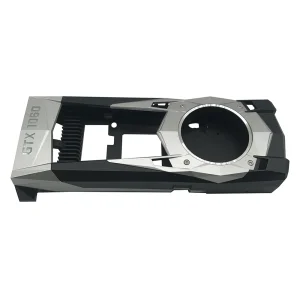
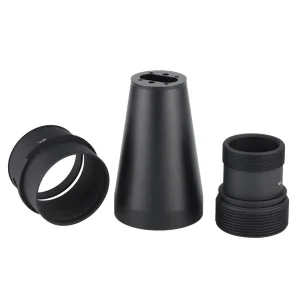
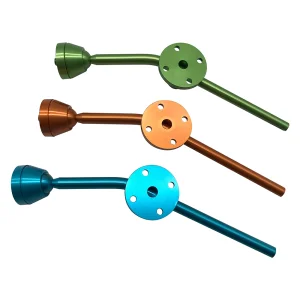
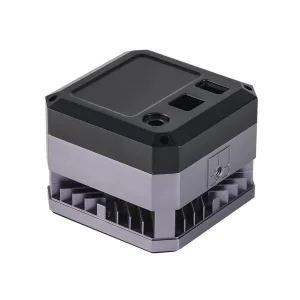
High-precision turned parts designed to meet strict performance requirements across multiple industrial applications.
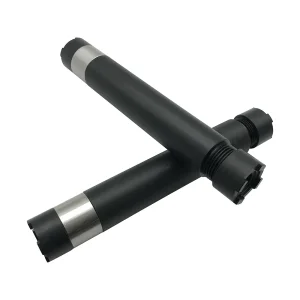
 Xiang Xin Yu