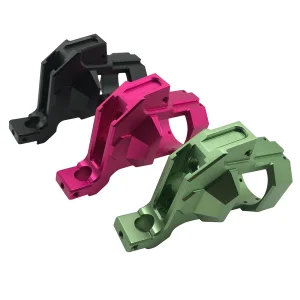
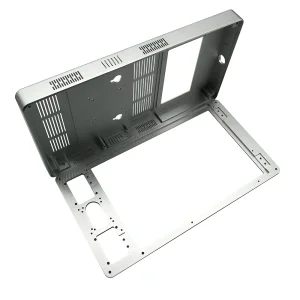
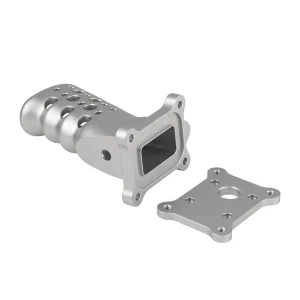
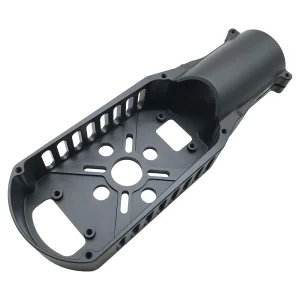
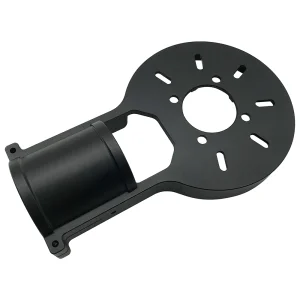
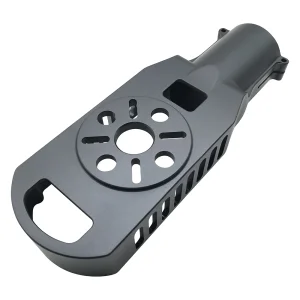
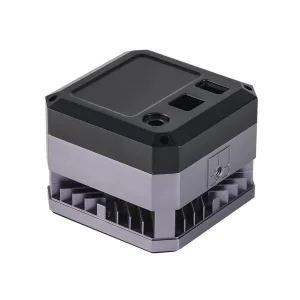
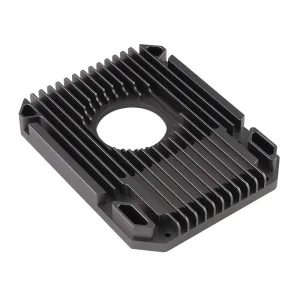
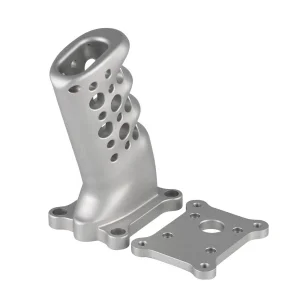
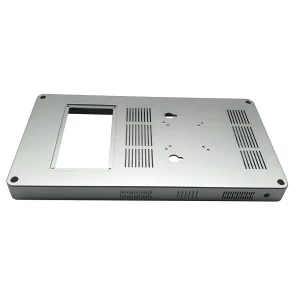
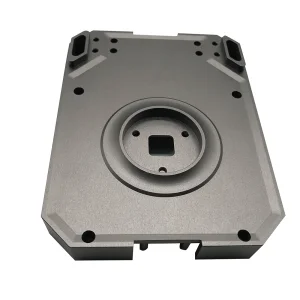
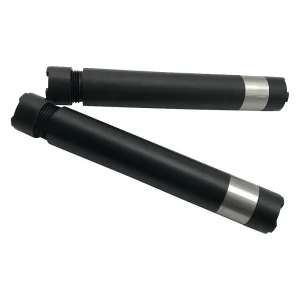
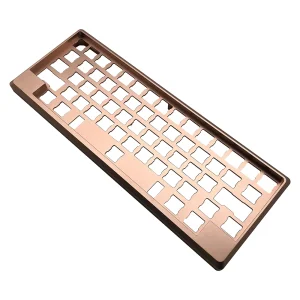
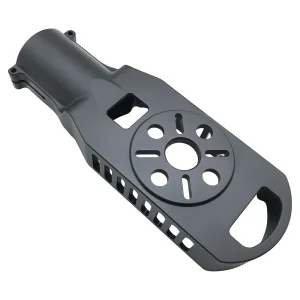
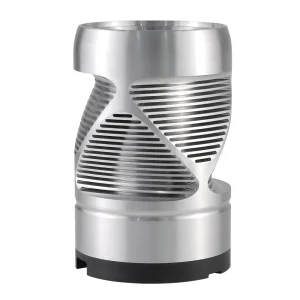
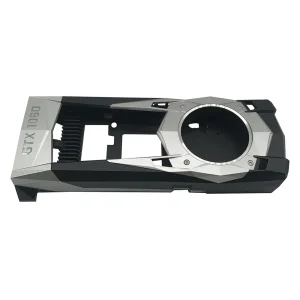
In modern industrial design, translating a digital CAD file to a physical asset requires balancing speed, cost, and dimensional fidelity. The term "First Cut Protolabs" describes the crucial initial cycle of rapid CNC machining. Here, subtractive methods carve end-use engineering materials instead of relying on additive layered prototypes. This ensures the physical testing phase accurately reflects structural performance, thermal resistance, and assembly tolerances.
By using multi-axis mills and high-speed turning centers, we skip the delays and costs of injection mold tooling. Engineers get functional components in metals like aerospace-grade Aluminum 6061-T6, Titanium, Stainless Steel 316, and engineering plastics like PEEK, Delrin, and Polycarbonate. This process helps hardware start-ups and enterprise-level R&D centers test fit, form, and function under real load conditions before scaling up production.
The goal is to optimize the Design for Manufacturability (DFM) feedback loop. By analyzing toolpaths, material removal rates, and geometry limitations early, designers avoid costly mistakes during volume production. The "first cut" is more than a prototype; it is a critical step in verifying geometry, proving process plans, and establishing a baseline for quality assurance.
Shenzhen Xiang Xin Yu Technology Co., Ltd. is a specialized CNC machining manufacturer built on technical expertise and reliable production systems. With years of experience and deep engineering capability, we handle complex and high-precision components across diverse industries. We manage the entire lifecycle of your custom parts, from rapid prototyping to full-scale production runs.
Our workshop features advanced CNC machine tools, multi-axis machining centers, and precision turning equipment. We meet strict requirements for parts used in aerospace systems, automotive components, medical instruments, and high-end electronics. Our experienced engineering team works directly with clients to refine design details, reduce machining cycle times, and control costs.
We prioritize technical development and regular staff training to keep our manufacturing techniques current. By focusing on customer needs and using a reliable quality management system, we ensure accurate, reliable, and on-time delivery for every project we undertake.
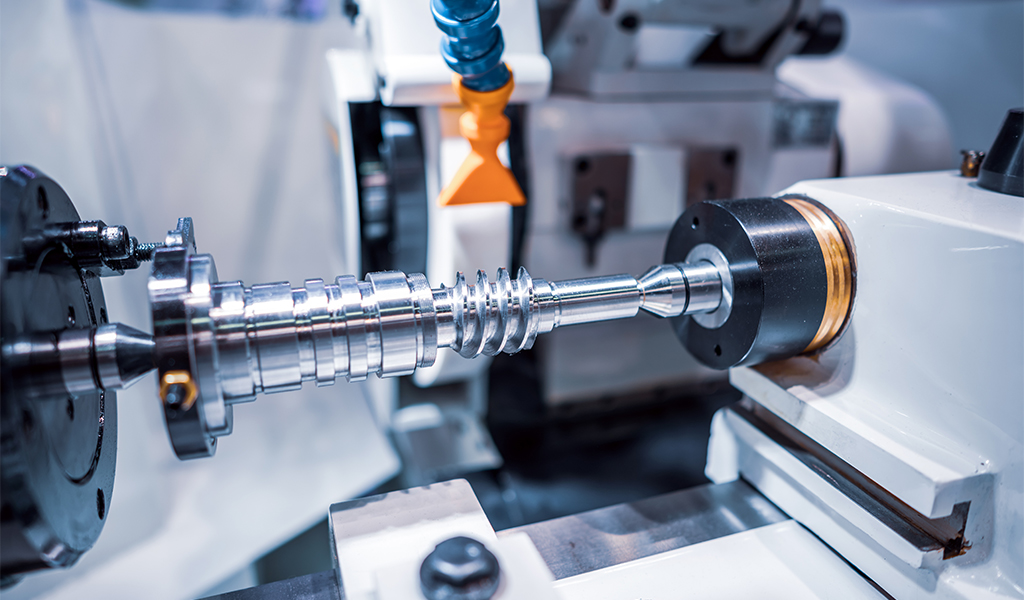
At Xiang Xin Yu, our success is driven by core values that guide our operations, customer service, and long-term business relationships.
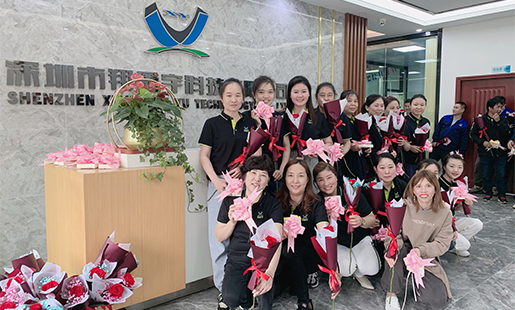
We encourage employees to continuously explore new processing methods and technologies to improve production efficiency and product quality and meet the changing needs of customers.
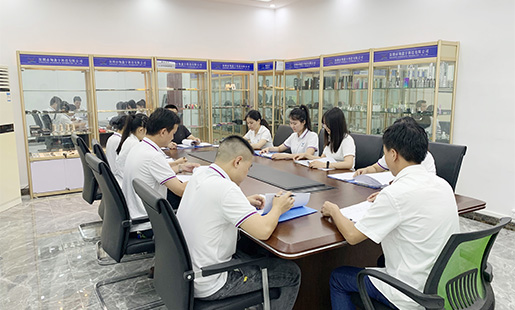
We pursue excellent quality, strictly control every processing link, and strive for zero defects to provide customers with the best products.
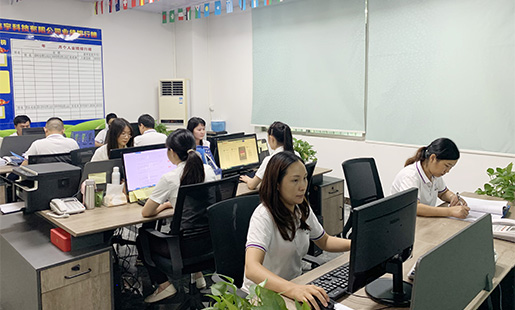
Team members support and collaborate with each other, jointly overcome difficulties, share experiences and knowledge, and form a strong whole.

Establish honest and cooperative relationships with customers and suppliers, keep promises, and treat every business with honesty and fairness.
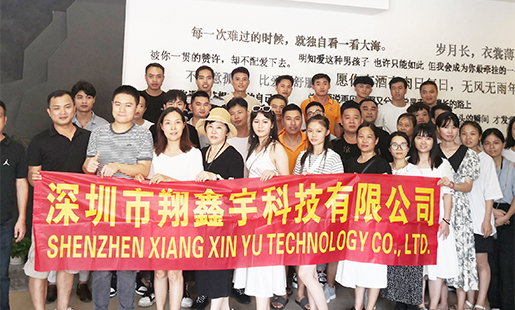
We are well aware that every product is related to the interests and safety of customers. Therefore, we always maintain a high sense of responsibility and take every job seriously.
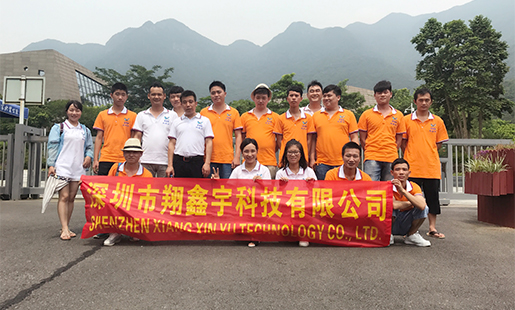
Respect the personality and ideas of each employee, provide a good development space for employees, and also respect the needs and opinions of customers.
Shenzhen's manufacturing ecosystem provides major advantages for rapid prototyping and volume production. As a centralized hub for precision machining, it offers direct access to raw material markets, specialized secondary processors, and streamlined international logistics. This clustering effect reduces transition times between production steps and protects schedules from global supply disruptions.
Our facility leverages this local network to source certified metals and engineering plastics quickly. We coordinate directly with local heat treatment facilities, anodizers, and plating shops. This integrated network helps us maintain short lead times even for complex, multi-stage production plans, offering a reliable alternative to fragmented regional supply lines.
This localized efficiency translates directly into cost advantages. By minimizing transit times, optimizing material yields, and using automated production setups, we reduce setup overhead. Clients receive parts that meet international standards at competitive rates, allowing R&D budgets to stretch further during prototyping and validation cycles.
Direct integration with domestic mills for rapid delivery of certified materials including 7075-T6 aluminum, surgical-grade stainless steels, and medical-grade PEEK.
Proximity to local anodizing, passivation, and mechanical finishing services keeps post-processing turnaround times within 24 to 48 hours.
Our facility scales smoothly from a single "first cut" test part to thousands of production units, adjusting machine allocation to match project requirements.
High-precision machining is vital across multiple technical fields. In the Aerospace sector, parts like housings, brackets, and structural elements must withstand mechanical stress while remaining lightweight. Precision turning and milling ensure these parts meet exact material and dimensional tolerances. Similarly, the Medical device industry relies on custom machining for biocompatible instruments, implants, and diagnostic system components that demand clean surface finishes and tight dimensional control.
In Opto-mechanical assemblies, maintaining alignment is critical. Standard fabrication methods can introduce small deviations that disrupt light paths or sensor accuracy. Our machining setups deliver the dimensional stability and flat surfaces required for optical housings, mirrors, and alignment mounts. Additionally, we serve the High-end consumer technology market, providing functional prototypes and production enclosures with precise cosmetic finishes, anodized colors, and detailed texturing.
Machined brackets, manifolds, and structural components using lightweight, high-strength alloys like Titanium Grade 5 and Aluminum 7075, following strict aerospace traceability standards.
High-precision surgical guides, implant prototypes, and diagnostic equipment enclosures machined from certified materials like PEEK and Stainless Steel 316L.
Stable, low-stress mounting structures and lens barrels designed to hold optical alignment under varying thermal conditions without warping.
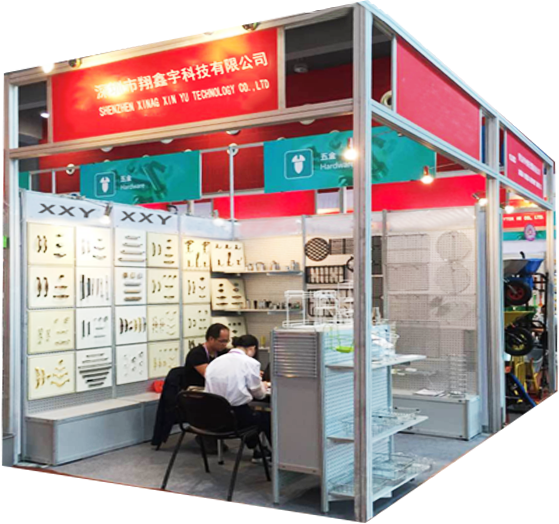
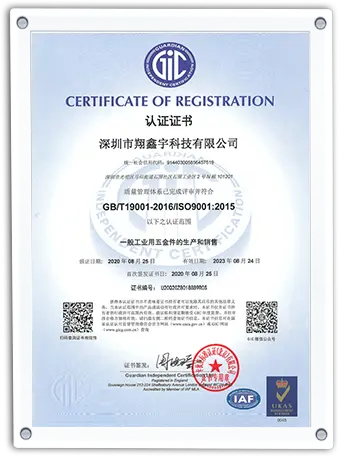
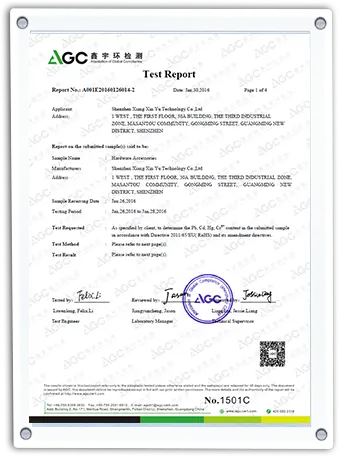
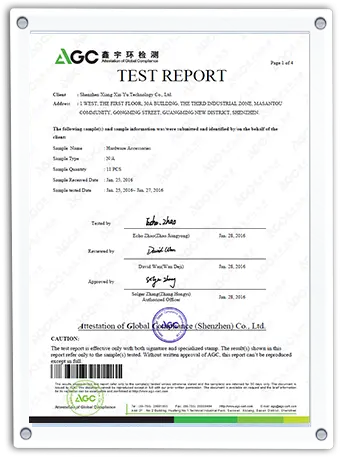
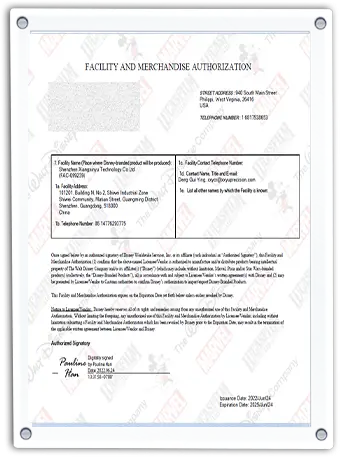
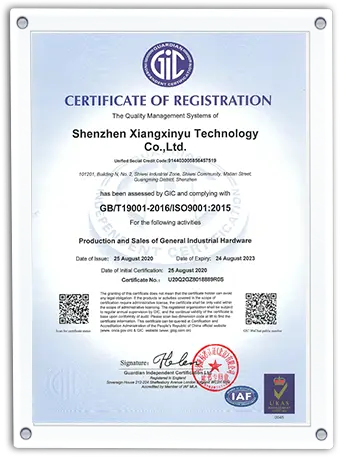
In a CNC machining company, professional certificates are important criteria for measuring the technical strength of the company and the professional quality of employees. Common professional certificates related to CNC machining include:
These professional certificates not only represent the individual professional skills of employees but also reflect the overall technical level and quality assurance ability of the company, helping to enhance the company's competitiveness in the market.
Direct supplier auditing and strict quality verification protocols for raw silicones, metals, and performance plastics.
Our engineering roadmap focuses on integrating advanced automation and data-driven quality control into our machining systems. To handle increasingly complex part geometries, we are expanding our multi-axis CNC capability, allowing us to machine intricate shapes in a single setup. This reduces handling errors and improves dimensional consistency across production runs.
We are also introducing automated CAD analysis tools to provide faster design feedback. These systems evaluate model geometries for tooling access and setup requirements, flagging potential manufacturing issues before chips fly. By linking DFM reviews directly to our scheduling systems, we minimize prep work and speed up the transition from initial design to active production.
At the same time, we are updating our facilities to support green manufacturing goals. This includes adopting efficient coolant filtration systems, tracking energy usage per machine, and maximizing scrap metal recycling. These improvements help us maintain strict quality standards while reducing environmental impact for our global partners.
 Xiang Xin Yu