Premier High-Precision CNC Machining & Mechanical Sub-Assembly Partner
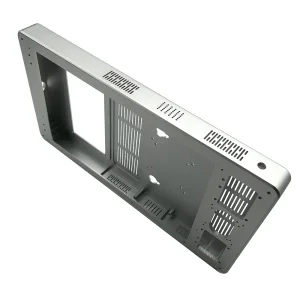
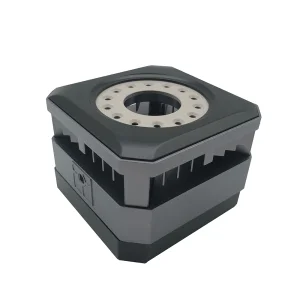
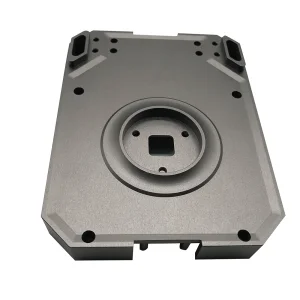
Shenzhen Xiang Xin Yu Technology Co., Ltd. is an enterprise specializing in CNC machining, with many years of industry experience and outstanding technical strength. We are equipped with advanced CNC machine tools and equipment, which can meet the processing requirements of various complex and precise parts. From key components in the aerospace field to high-precision parts in the automotive industry, from fine components in medical equipment to micro-structural parts in the electronics industry, we can provide customers with high-quality products with exquisite craftsmanship and strict quality control.
The company focuses on technological innovation and talent cultivation, and has an experienced and highly skilled professional team. They constantly explore and research new processing techniques and methods to improve production efficiency and product quality. We always adhere to the customer-centered approach, deeply understand customer needs, and provide customers with customized solutions and all-round service support. From order receipt to product delivery, every link is strictly controlled to ensure the timely delivery of high-quality products.
In terms of quality control, we have established a perfect quality management system and strictly manage the purchase of raw materials, production process monitoring and finished product inspection to ensure that each product meets industry standards and customer requirements. In the future, we will continue to uphold the concepts of professionalism, innovation, quality and service, constantly enhance our own strength, provide customers with better CNC machining services, and become a leading enterprise in the industry.
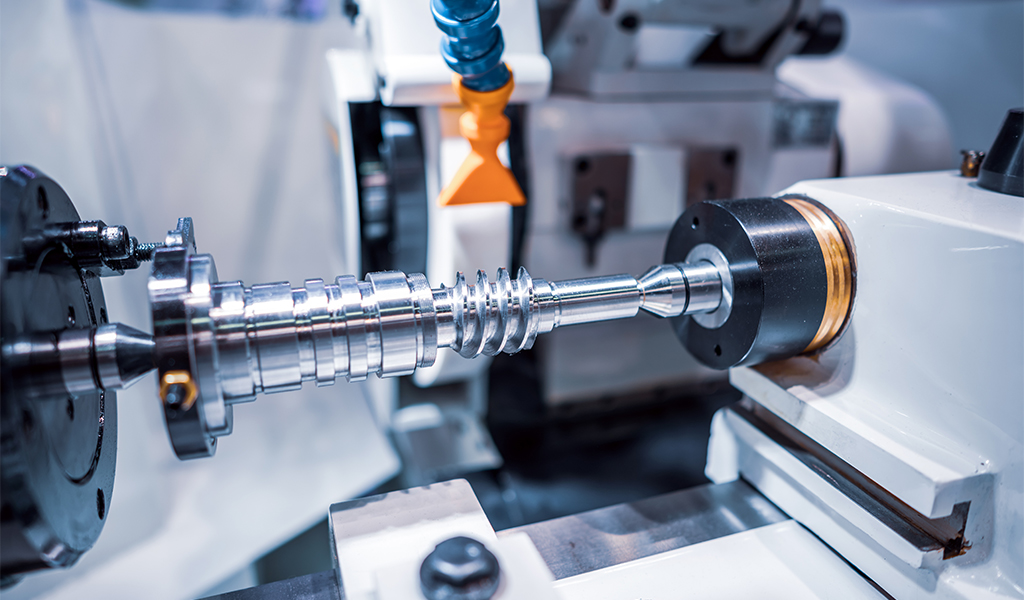
The convergence of micro-precision machining, automated robotic integration, and advanced structural materials.
Modern medical devices, defense avionics, and semiconductor equipment demand extremely tight mechanical assemblies. Micron-level micro-machining is no longer custom; it is a baseline expectation. Sub-assembly units now incorporate micro-threaded components, ultra-thin walls, and multi-material connections requiring Zero-Flash molding and high dimensional consistency.
The manufacturing shift is moving towards hybrid CNC assemblies that blend 3D printed additive parts, composites, and subtractive CNC components into a cohesive mechanical module. Managing the differences in thermal expansion coefficients (CTE) and galvanic corrosion of dissimilar metals is a critical design-for-manufacturing (DFM) focus.
Global logistics demand absolute transparency. OEMs require a complete Chain of Custody (CoC) including material test reports (MTR), heat treatment charts, mill runs, plating thickness measurements, and RoHS verification certificates. Modern CNC assembly factories must provide these as standard digital packages.
Aligning OEM requirements with the capabilities of a premium Tier-1 CNC assembly factory.
Procuring custom CNC assembly parts is far more complex than purchasing simple machined components. An assembly involves multiple mating tolerances, thermal reactions, fastening mechanisms, and specialized surface finishes. To build a robust supply chain, procurement professionals evaluate factories on three core levels:
A precision assembly is only as good as its worst-performing part. A premium factory must run comprehensive Tolerance Stack-Up Analysis (RSS and worst-case methods) during the Design-For-Manufacturing (DFM) review. This process ensures that parts fabricated across different machining centers (e.g., Swiss turning, 5-axis milling, wire EDM) integrate perfectly without binding or excessive play.
Assembled parts often feature varying metals (e.g., stainless steel fasteners inside aluminum housings). We employ advanced anodizing (Type II & Type III Hardcoat), chemical conversion coatings (Alodine/Chem Film), passivation, and electropolishing. This prevents galvanic corrosion and ensures the structural integrity of the module throughout its operating life cycle.
In-process checks are insufficient for assemblies. We implement specialized functional validation protocols: air/water leak pressure testing for manifold blocks, torque validation for critical threaded fasteners, electrical continuity inspections, and coordinate measuring machine (CMM) dimensional verification of the fully assembled unit.
Providing sector-specific structural components engineered for extreme environments.
Lightweighting is the main driver in aerospace design. We machine and assemble structural components from high-strength aerospace alloys (Titanium Ti-6Al-4V, Aluminum 7075-T6, Inconel 718). Assemblies feature helicoil insert installations, precision interference press-fits, and strict conformance to flight safety standards.
Precision assemblies for surgical robotics, implants, and diagnostics require cleanroom assembly and biocompatible materials (Stainless Steel 316L, Titanium Gr. 5, PEEK). Our micro-machined parts undergo passivation and ultra-pure cleaning cycles to ensure they are free of trace tooling oils.
Processing equipment parts demand extreme dimensional fidelity and ultra-clean surfaces. We offer Zero-Flash mold components, high-precision vacuum chambers, gas manifold assemblies, and ceramic-to-metal bonding assemblies that perform reliably in corrosive processing environments.
The foundation of our commitment to engineering excellence and long-term partnerships.
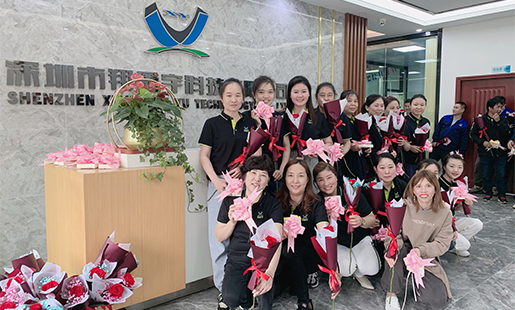
We encourage employees to continuously explore new processing methods and technologies to improve production efficiency and product quality and meet the changing needs of customers.
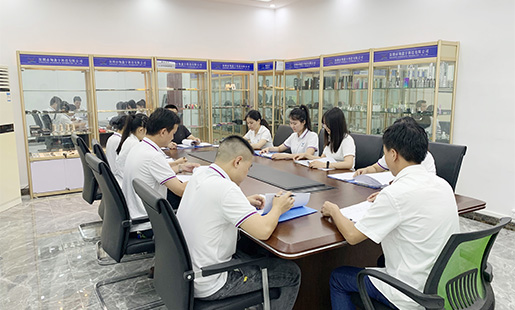
We pursue excellent quality, strictly control every processing link, and strive for zero defects to provide customers with the best products.

Team members support and collaborate with each other, jointly overcome difficulties, share experiences and knowledge, and form a strong whole.

Establish honest and cooperative relationships with customers and suppliers, keep promises, and treat every business with honesty and fairness.
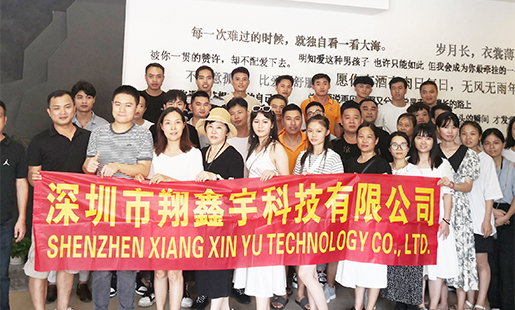
We are well aware that every product is related to the interests and safety of customers. Therefore, we always maintain a high sense of responsibility and take every job seriously.
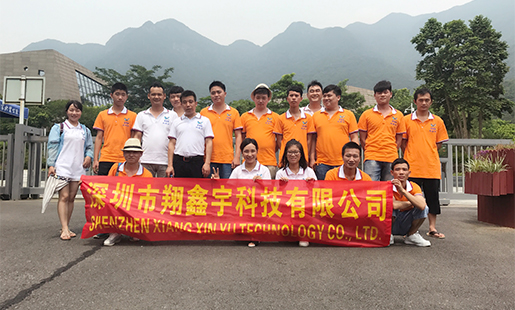
Respect the personality and ideas of each employee, provide a good development space for employees, and also respect the needs and opinions of customers.
Providing fully certified precision components to ensure project safety and compliance.
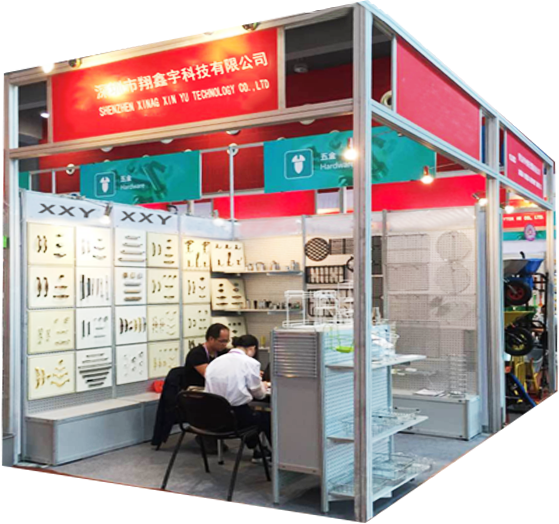
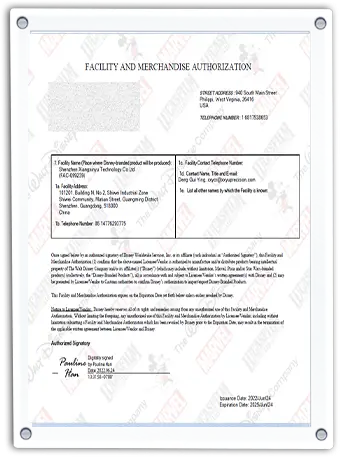
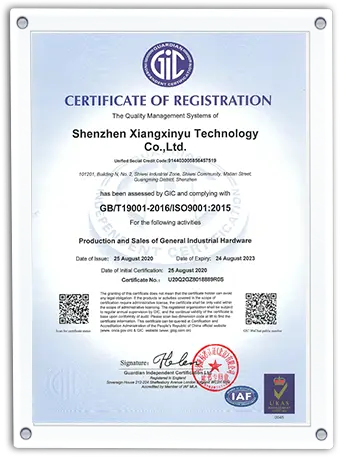
In a CNC machining company, professional certificates are important criteria for measuring the technical strength of the company and the professional quality of employees. These certificates demonstrate proficiency, quality adherence, and structural capability.
Direct factory sourcing with complete verification documentation. Our facility offers high-grade metalwork and specialized material components engineered to meet stringent standards.
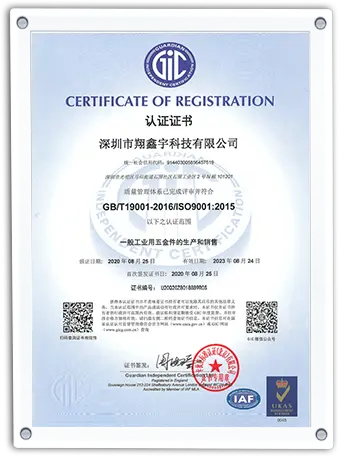
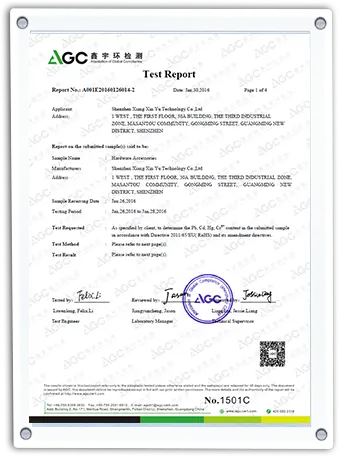
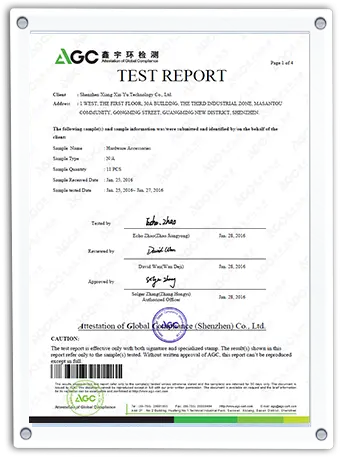
Our strategic technological investments to lead precision assembly manufacturing.
Detailed technical insights on custom CNC assembly parts, design optimization, and factory operations.
We perform systematic Design-for-Manufacturing (DFM) reviews on all client engineering drawings. Our team inputs your models into 3D tolerance stack simulation software, comparing Worst-Case scenarios and Root Sum Squared (RSS) statistical models. By optimizing the dimensional limits of mating parts (e.g., shafts, bearings, and housings), we keep your design functional without driving up machining costs through unnecessary micro-tolerances.
When assembling dissimilar metals—like stainless steel fasteners combined with aluminum structural components—galvanic corrosion can degrade the threads. We use a combination of Type III Hardcoat Anodizing on aluminum substrates and chemically inert thread sealants. Where critical, we also use non-conductive plastic isolating washers or sleeves (like PEEK) to prevent direct electrical contact between dissimilar metals, maintaining the structural connection's integrity.
We offer customized testing protocols tailored to the assembly's application: helium and air pressure decay leak testing for fluid manifolds, digital torque calibration for threaded connections, Coordinate Measuring Machine (CMM) inspections for critical features, and optical profile projection for micro-machined interfaces. Material testing records and certificates of conformity (CoC) accompany all shipments.
We source raw materials exclusively from certified vendors who provide Material Test Reports (MTRs) and chemical composition breakdowns. We conduct independent RoHS compliance checks on incoming metal stocks and post-machining chemical surface treatments. Final compliance documentation is maintained digitally and shipped with the corresponding batches.
Metal-plastic hybrid assemblies must account for differences in thermal expansion (CTE) and material hardness. Plastics like PEEK, POM (Delrin), or PTFE expand more than aluminum or stainless steel under thermal load. We modify mating tolerances to prevent binding, design custom insert interfaces, and use zero-flash molding techniques to create smooth, reliable transitions between materials.
 Xiang Xin Yu