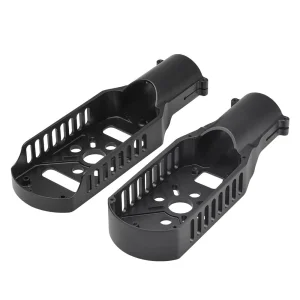
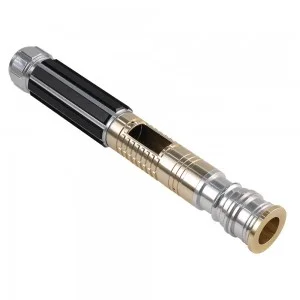
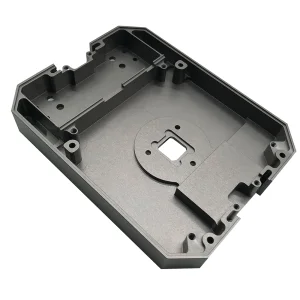
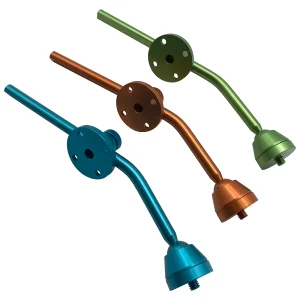
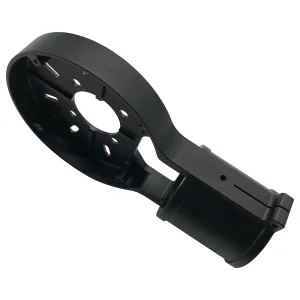
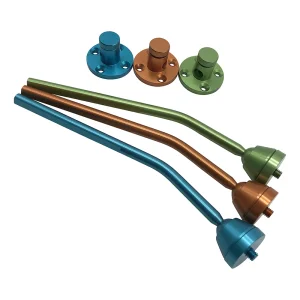
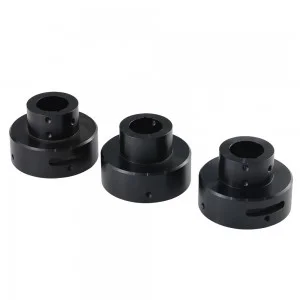
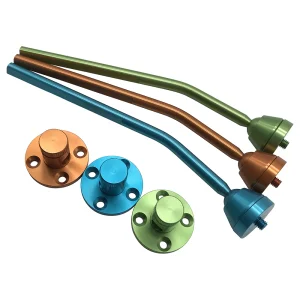
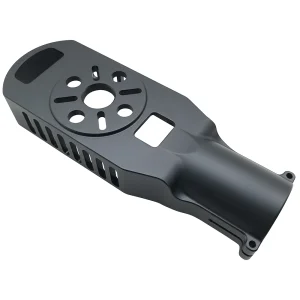
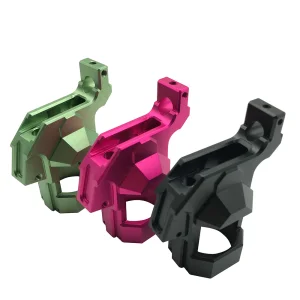
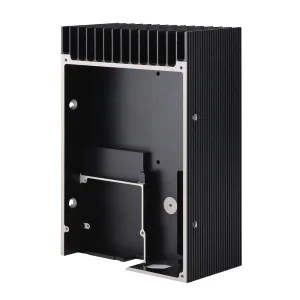
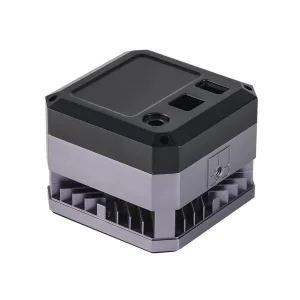
Explore our elite grade polymer components and complex geometries engineered for aerospace, medical device, automotive, and electronics industries.
Shenzhen Xiang Xin Yu Technology Co., Ltd. is an enterprise specializing in CNC machining, with many years of industry experience and outstanding technical strength. We are equipped with advanced CNC machine tools and equipment, which can meet the processing requirements of various complex and precise parts. From key components in the aerospace field to high-precision parts in the automotive industry, from fine components in medical equipment to micro-structural parts in the electronics industry, we can provide customers with high-quality products with exquisite craftsmanship and strict quality control.
The company focuses on technological innovation and talent cultivation, and has an experienced and highly skilled professional team. They constantly explore and research new processing techniques and methods to improve production efficiency and product quality.
We always adhere to the customer-centered approach, deeply understand customer needs, and provide customers with customized solutions and all-round service support. From order receipt to product delivery, every link is strictly controlled to ensure the timely delivery of high-quality products. In terms of quality control, we have established a perfect quality management system and strictly manage the purchase of raw materials, production process monitoring and finished product inspection to ensure that each product meets industry standards and customer requirements.
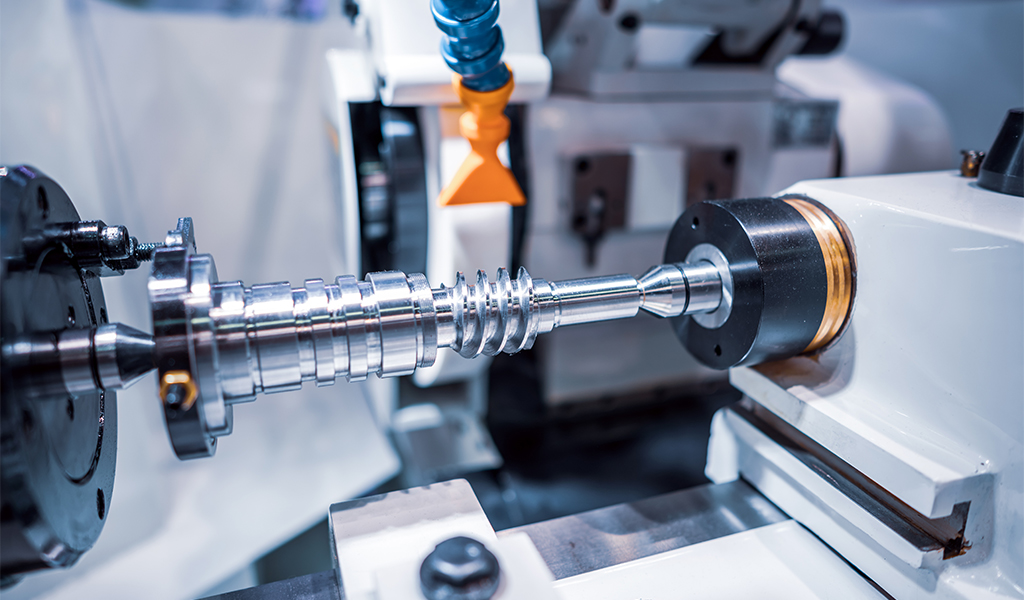
Technical parameters, material behaviors, sourcing methodologies, and global market dynamics for OEMs.
In modern industrial manufacturing, the transition from traditional metallic alloys to ultra-high-performance polymers is accelerating rapidly. The demand for lightweight materials with high chemical resistance, dielectric insulation properties, and self-lubricating structures has made plastic CNC machining a critical manufacturing pillar. Shenzhen Xiang Xin Yu Technology Co., Ltd. has established itself at the forefront of this revolution, providing complex geometry milling and sub-micron turning services that meet strict Western engineering standards at competitive pricing scales.
Global procurement networks face unique challenges when sourcing plastic components. Unlike metal machining, polymer machining is highly sensitive to temperature fluctuations, internal stresses, and tool wear dynamics. Partnering with a specialized China-based facility that integrates advanced engineering oversight with high-speed Japanese and German CNC centers allows procurement officers to reduce cost-per-part indices by 30% to 50% while mitigating the risks of dimension drift, micro-cracking, and contamination.
The choice of polymer determines the machining parameters. At Shenzhen Xiang Xin Yu Technology Co., Ltd., we categorize plastics into three tiers depending on their performance envelope and ease of machinability:
| Material Category | Common Polymers | Key Properties | Optimal Industrial Applications |
|---|---|---|---|
| High-Performance | PEEK, Torlon (PAI), Ultem (PEI) | Extreme temperature stability, high chemical resistance, excellent tensile strength. | Aerospace propulsion components, downhole oil & gas tools, medical implant fixtures. |
| Engineering Grade | POM (Delrin), Nylon (PA6/66), PTFE (Teflon) | High dimensional stability, low friction coefficient, high wear resistance. | Precision gears, bushings, sliding bearings, fluid control manifolds. |
| Standard Commodities | PC (Polycarbonate), Acrylic (PMMA), UHMW-PE | High optical clarity, impact strength, food-grade safe. | Fluid reservoirs, optical lenses, diagnostic covers, wear strips. |
Machining plastics requires fundamentally different physics than metal machining. Our manufacturing engineering team has developed specific protocols to address critical polymer properties:
The future of precision plastic machining lies in automated 5-axis simultaneous milling and sub-micron micro-machining. Shenzhen Xiang Xin Yu is actively investing in robotic arm loading arrays, integrating CAM simulation software to predict cutter deflection, and developing cryogenic machining protocols. Cryogenic cooling with liquid nitrogen allows for the high-tolerance milling of soft, elastomeric plastics that are typically unmachinable at standard ambient room temperatures.
In addition, sustainable polymer processing is gaining momentum. We maintain dedicated recycling loops for clean thermoplastic chips and have implemented minimal quantity lubrication (MQL) systems to reduce our environmental footprint while maintaining absolute part cleanliness for medical applications.
We are a professional CNC machining company, and our corporate culture is built on these foundational tenets:
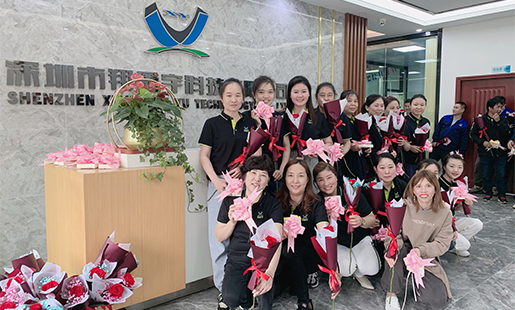
We encourage employees to continuously explore new processing methods and technologies to improve production efficiency and product quality and meet the changing needs of customers.
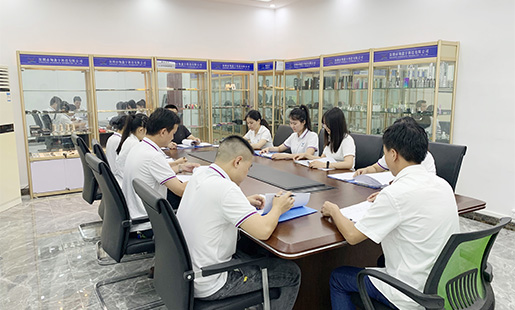
We pursue excellent quality, strictly control every processing link, and strive for zero defects to provide customers with the best products.
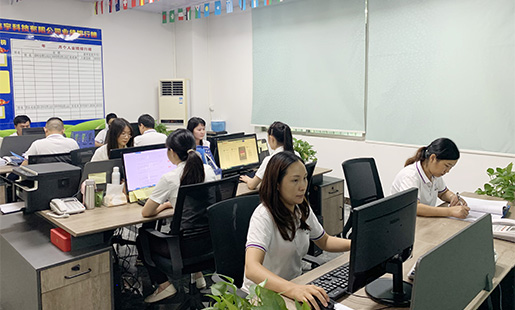
Team members support and collaborate with each other, jointly overcome difficulties, share experiences and knowledge, and form a strong whole.

Establish honest and cooperative relationships with customers and suppliers, keep promises, and treat every business with honesty and fairness.
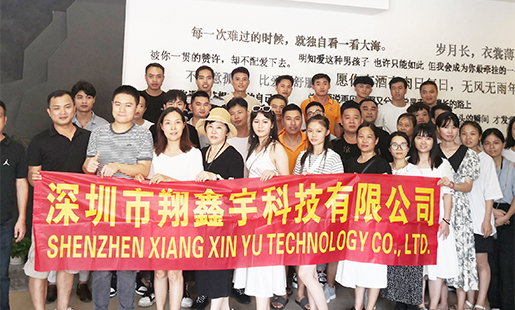
We are well aware that every product is related to the interests and safety of customers. Therefore, we always maintain a high sense of responsibility and take every job seriously.
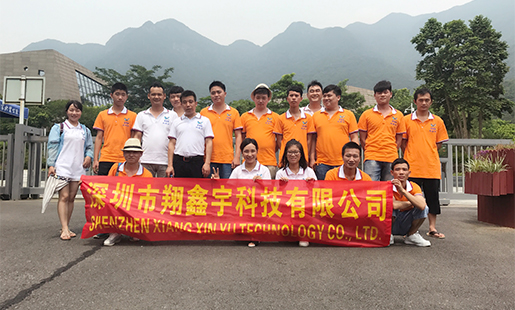
Respect the personality and ideas of each employee, provide a good development space for employees, and also respect the needs and opinions of customers.
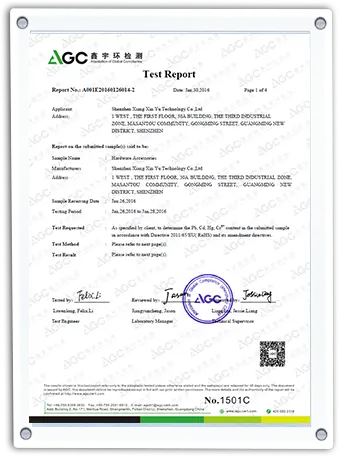
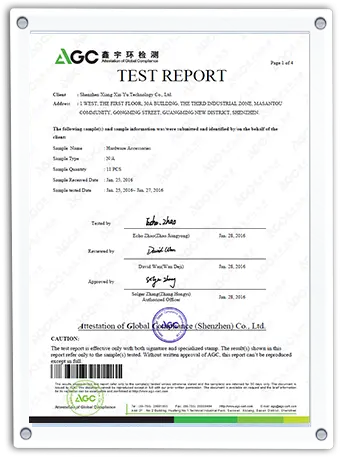
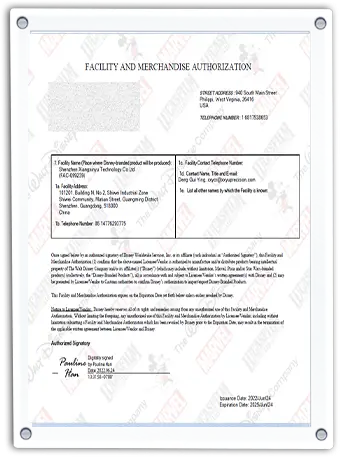
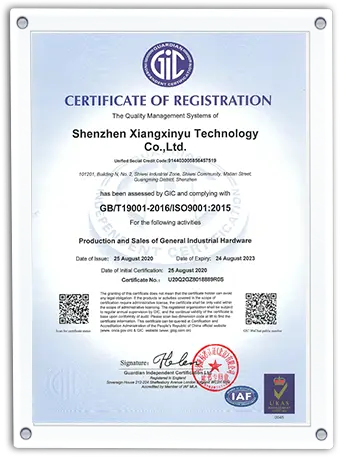
Validation of technical competence, employee credentials, and material safety compliance.
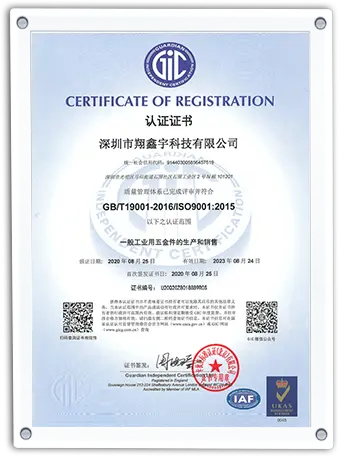
In a CNC machining company, professional certificates are important criteria for measuring the technical strength of the company and the professional quality of employees.
These professional certificates not only represent the individual professional skills of employees but also reflect the overall technical level and quality assurance ability of the company, helping to enhance the company's competitiveness in the market.
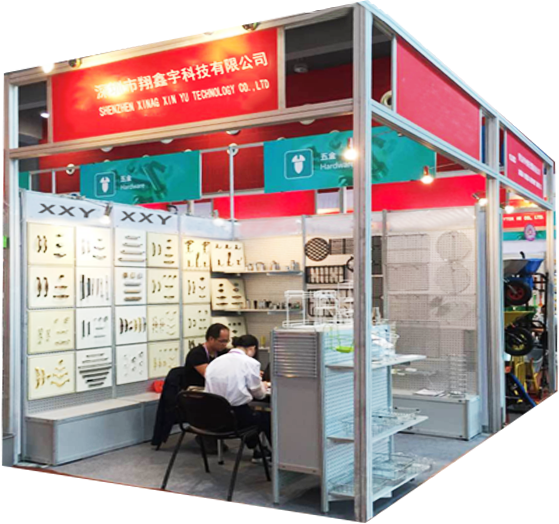
Chinese direct factory for the silicone oil, MM, and other organosilicone materials. Delivering authenticated compliance to the global supply chain.
Answers to engineering and procurement questions regarding quality, polymer physics, and logistics.
Thermoplastics have linear expansion coefficients (CLTE) up to ten times higher than metals. If the cutting zone gets hot, the plastic expands. If cut at that size, it contracts below spec once cooled. We resolve this by using polished diamond-like carbon (DLC) tooling, selecting low-friction cutting strategies, keeping high-volume coolant flowing, and allowing parts to stabilize in our climate-controlled QC lab before inspection.
Extruded plastic rod stock contains significant internal stress. Machining releases these stresses, which can cause warping. Our engineering protocol involves placing the raw material through a program-controlled heat cycle (annealing) to relieve stress. For complex geometries, we rough-machine the parts, perform a second stress-relief bake, and then do the final finish passes to hold critical geometries.
We source all stock shapes directly from premium manufacturers, such as Quadrant, Ensinger, and Rochling. Every incoming raw material batch undergoes spectral analysis verification and is checked against our RoHS/REACH compliance standards. We keep full chemical composition tracking paperwork for each part throughout its run.
For sterilization environments, medical-grade PEEK, PPSU (Radel), and PEI (Ultem) are the top recommendations. These materials retain their strength and stiffness through autoclaving cycles and have passed ISO 10993 biocompatibility testing. We machine these in a dedicated clean environment to prevent grease contamination.
Generally, if the volume is under 3,000 units per year, CNC machining is more cost-effective because it avoids high tooling setup costs ($3,000 to $20,000). CNC is also better for rapid design updates, thick walls that would sink during injection molding, and tighter tolerances that are hard to achieve through molding.
We use diamond milling tools to obtain excellent surface finishes, then apply hand-polishing or vapor-polishing methods (using chemical solvent vapors) depending on the geometry. This removes micro-scratches and restores complete optical clarity to the plastic.
Discover our specialized engineering services for complex industrial components and sub-micron assemblies.
 Xiang Xin Yu