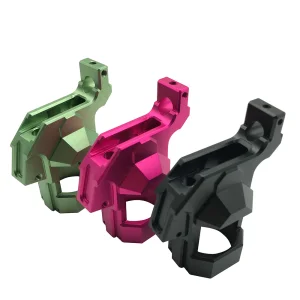
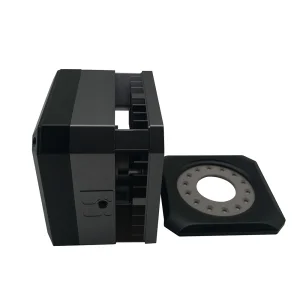
Explore our foundational range of CNC machining services, custom components, and manufacturing solutions exported to industrial hubs worldwide.
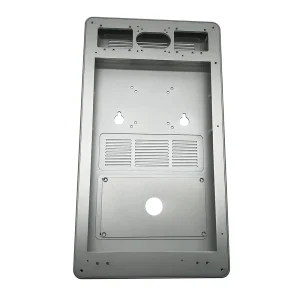
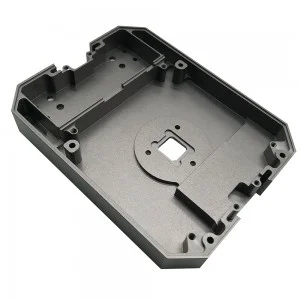
How modern OEMs scale production, reduce lead times, and optimize weight-to-strength ratios through localized manufacturing innovations.
In the modern industrial environment, weight reduction has shifted from an aerospace-specific priority to a ubiquitous engineering mandate. As the automotive industry shifts toward Electrification (EVs), maximizing range requires minimizing vehicle chassis and structural weight. Aluminum alloys (particularly 6061-T6 and 7075-T6) offer the ideal combination of excellent strength-to-weight ratio, structural integrity, high thermal conductivity, and superb anti-corrosion properties.
However, achieving the dimensional stability and tolerance limits (frequently under ±0.01mm) required by modern design engineers presents a steep technical hurdle. Thin-walled features, complex deep cavities, and micro-scale geometry demand advanced milling methods. Spindle vibration, thermal expansion, and chip evacuation issues can lead to scrap or critical failures in downstream assemblies.
Shenzhen Xiang Xin Yu Technology Co., Ltd. is an enterprise specializing in CNC machining, with many years of industry experience and outstanding technical strength. We are equipped with advanced CNC machine tools and equipment, which can meet the processing requirements of various complex and precise parts. From key components in the aerospace field to high-precision parts in the automotive industry, from fine components in medical equipment to micro-structural parts in the electronics industry, we can provide customers with high-quality products with exquisite craftsmanship and strict quality control.
The company focuses on technological innovation and talent cultivation, and has an experienced and highly skilled professional team. They constantly explore and research new processing techniques and methods to improve production efficiency and product quality. We always adhere to the customer-centered approach, deeply understand customer needs, and provide customers with customized solutions and all-round service support. From order receipt to product delivery, every link is strictly controlled to ensure the timely delivery of high-quality products.
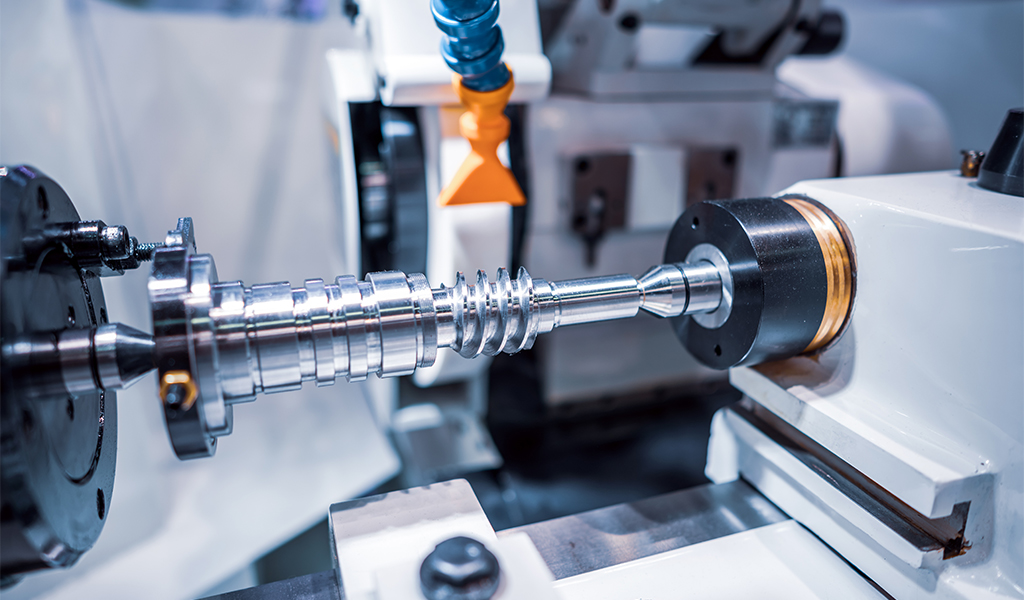
Understanding why global procurement teams source precision aluminum components from localized Chinese manufacturing hubs.
Proximity to massive metallurgical refinement facilities provides seamless, traceable, and immediately available aluminum sheets, bars, and extrusions. This dynamic eliminates import lead times, reducing overall factory turnaround schedules.
Shenzhen's industrial parks house a high concentration of high-speed 3-axis, 4-axis, and simultaneous 5-axis machining systems. Multi-axis systems allow complex profiles to be machined in a single setup, improving dimensional concentricity.
Experienced tooling technicians optimize toolpaths using high-speed CAM software (MasterCAM, UG). This rapid optimization enables quick verification of design iterations before transitioning to high-volume manufacturing run-times.
From deep-vacuum environments to high-vibration aerospace frameworks, here is how machined components adapt to specialized industries.
Thin-walled bulkheads, brackets, and avionics enclosures require high strength-to-weight ratios. Utilizing AL7075-T6, we execute deep pocket milling that reduces material weight by up to 80% while retaining structural integrity under high G-forces.
Components inside vacuum chambers require surfaces free of micro-imperfections to prevent outgassing. We provide precise machining and chemical conversion treatments to clean parts to nanoscale fab standards.
Liquid cold plates, electric motor housings, and structural suspension mounts. These parts are designed with internal channels and complex fluid ports to support modern high-voltage thermal management systems.
Bio-compatible components, surgical positioning arms, and diagnostic scanner housings. Precision tolerances ensure component interaction without clearance issues, meeting strict regulatory requirements.
A professional CNC machining company built on foundational core values to ensure reliable partnerships.
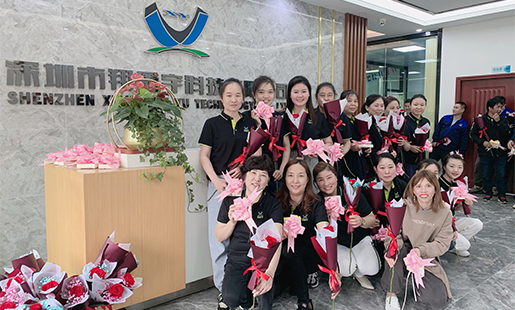
We encourage employees to continuously explore new processing methods and technologies to improve production efficiency and product quality and meet the changing needs of customers.
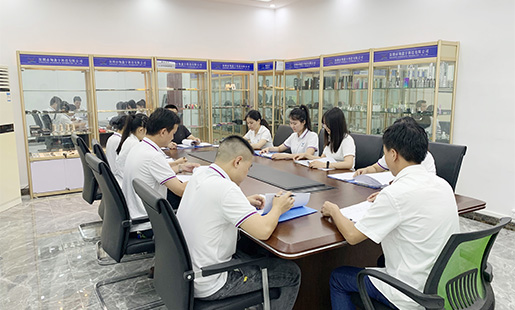
We pursue excellent quality, strictly control every processing link, and strive for zero defects to provide customers with the best products.
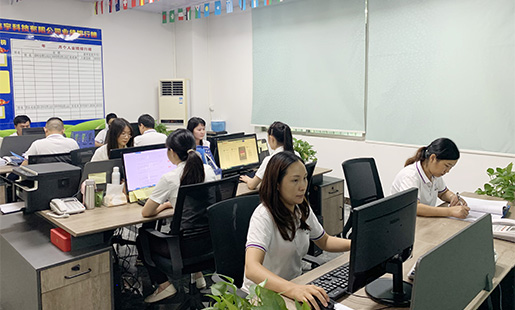
Team members support and collaborate with each other, jointly overcome difficulties, share experiences and knowledge, and form a strong whole.

Establish honest and cooperative relationships with customers and suppliers, keep promises, and treat every business with honesty and fairness.
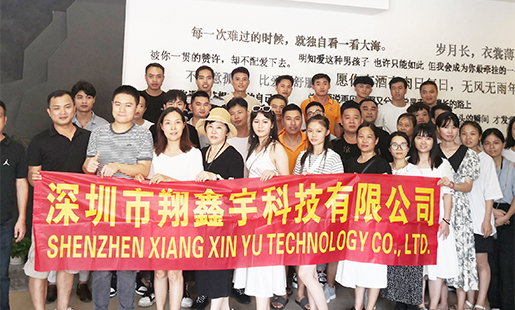
We are well aware that every product is related to the interests and safety of customers. Therefore, we always maintain a high sense of responsibility and take every job seriously.
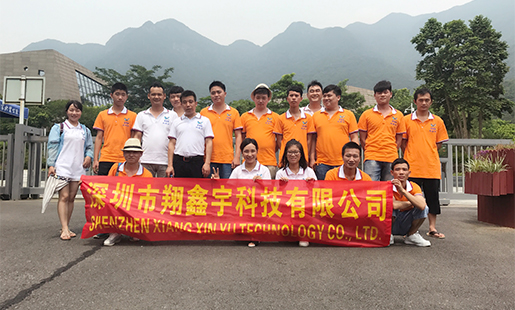
Respect the personality and ideas of each employee, provide a good development space for employees, and also respect the needs and opinions of customers.
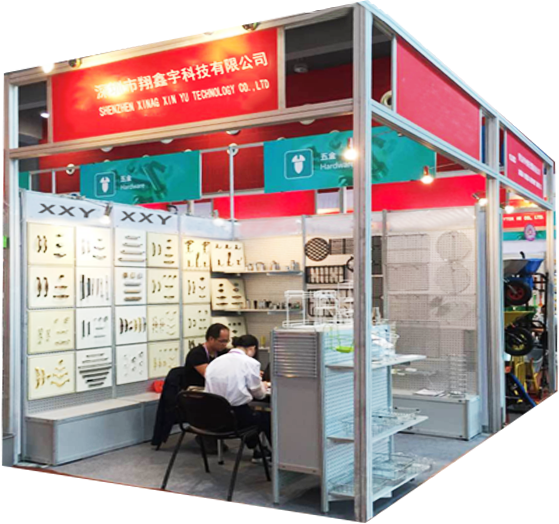
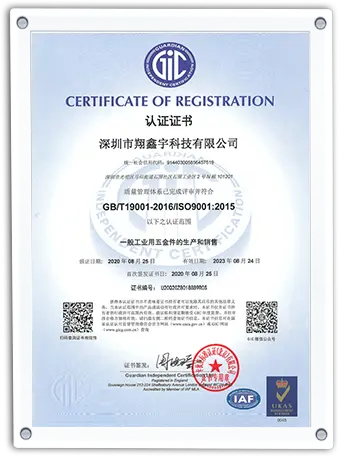
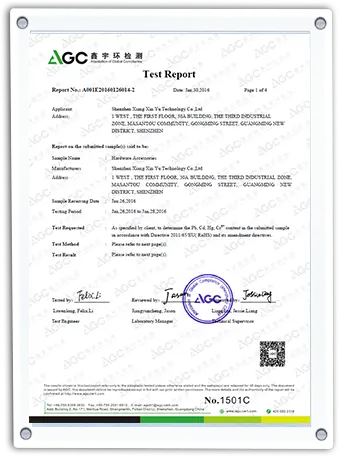
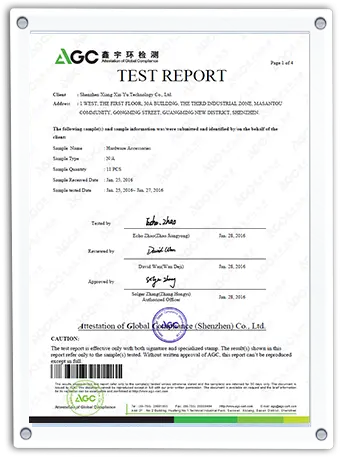
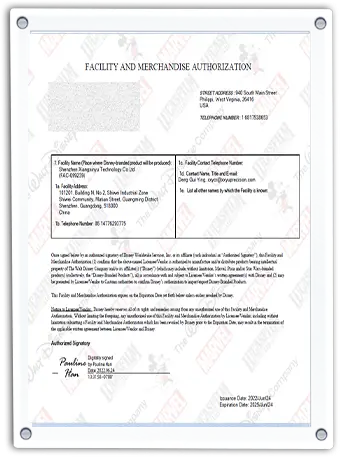
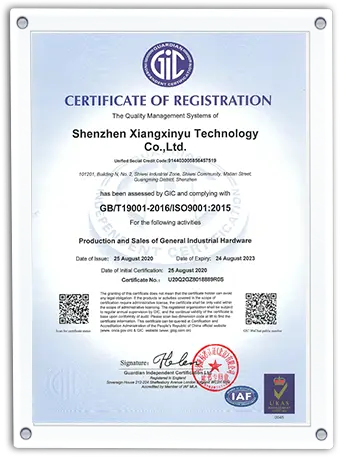
In a CNC machining company, professional certificates are important criteria for measuring the technical strength of the company and the professional quality of employees.
Common professional certificates related to CNC machining include:
These professional certificates not only represent the individual professional skills of employees but also reflect the overall technical level and quality assurance ability of the company, helping to enhance the company's competitiveness in the market.
Chinese direct factory for the silicone oil, MM, and other organosilicone materials, and high precision components matching international regulatory compliance frameworks.
How automation, algorithmic CAM programming, and ecological sustainability shape the next generation of custom components.
By utilizing integrated sensor technology on our milling machine spindles, real-time vibration and temperature data can feed back to predictive software packages. This helps avoid surface chatter, extend carbide tool life, and maintain strict tolerances across large production runs.
Combining additive 3D printing (metal sintering) with subtraction CNC milling allows the production of complex components. This hybrid process utilizes 3D printing for internal structural shapes and CNC milling for final precise dimensions and mating surface finishes.
Global procurement guidelines now require tracking scope-3 carbon footprints. Utilizing high-efficiency coolants, closed-loop chip collection systems that recycle 98% of waste aluminum shavings, and high-efficiency inverter-driven spindles allows factories to minimize carbon output while reducing overhead.
Integrating touch-probes directly within the machining envelope allows for real-time measurements without removing the workpiece from the fixture. This minimizes misalignment errors and supports high compliance rates.
Key guidelines for purchasing agents, procurement managers, and engineers sourcing precision components from China.
A key step in cost reduction is establishing a direct line between the factory's CAM developers and the customer's design engineers. Minor adjustments to internal corner radii (allowing larger endmill tools) and thread depth requirements can reduce cycle time by 20% to 35%.
Specify the required alloy grades on the engineering drawing. Quality assurance relies on chemical composition reports and tensile test certifications. Traceability from raw metal billet to final parts is critical for high-load applications.
Surface preparation is key to extending the service life of aluminum components. Anodizing (Type II for color/wear resistance, Type III for structural hardcoating), chem film/chromate conversion (for electrical conductivity), bead blasting, and electroless nickel plating should be explicitly outlined in the initial RFQ.
Clear answers to common questions regarding machining tolerances, raw material options, tooling requirements, and shipping timelines.
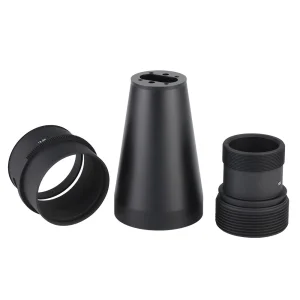
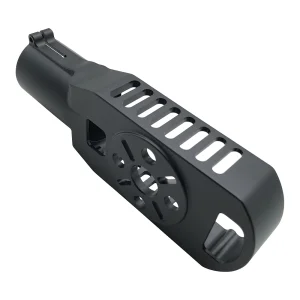
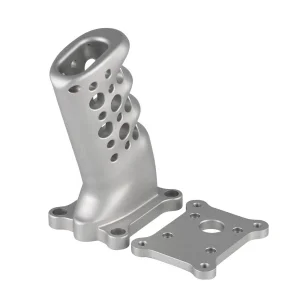
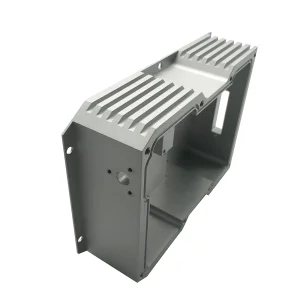
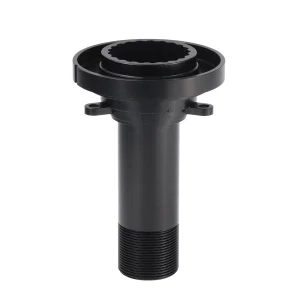
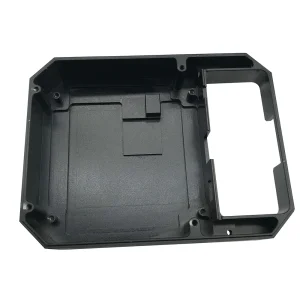
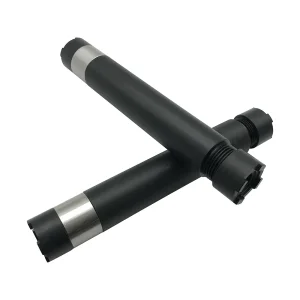
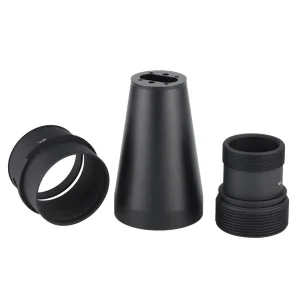
Our complete manufacturing range, including CNC turning, milling, and complex hardware components designed to international specifications.
 Xiang Xin Yu