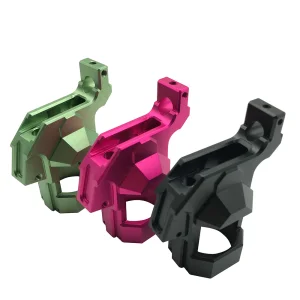
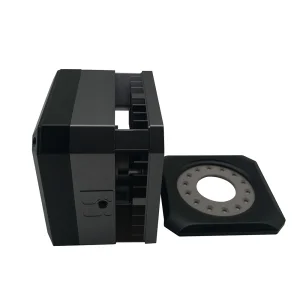
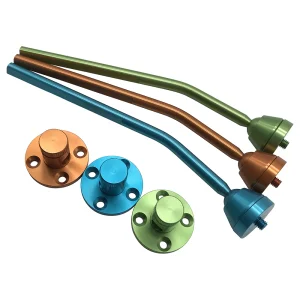
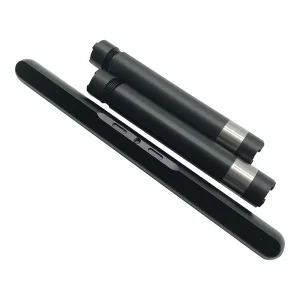
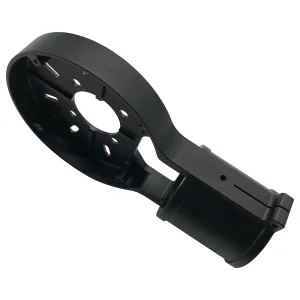
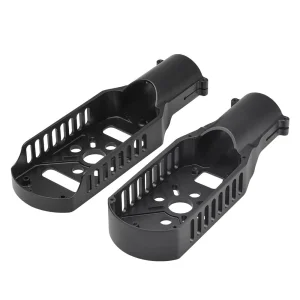
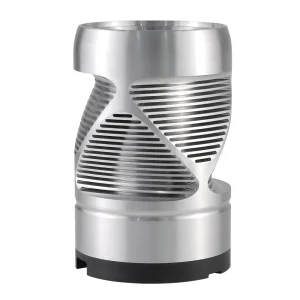
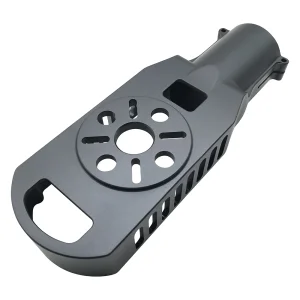
Engineered to deliver high dimensional fidelity, rapid prototyping, and complex 5-axis geometries at optimization scales.
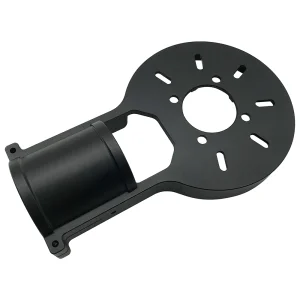
The global supply chain relies on CNC machined aluminum components to fuel massive shifts in lightweight designs, carbon reduction targets, and structurally rigid frameworks. Sectors like Aerospace, Electric Vehicles (EV), Telecommunications, and Smart Consumer Electronics require components that balance structural endurance with thermal dissipation.
In these hyper-competitive sectors, searching for "cheap" manufacturing does not mean compromising on structural metrics. Instead, modern procurement strategies focus on optimizing production layouts, increasing chip-removal rates, and utilizing geographical clustering advantages to lower unit expenses. By eliminating mechanical redundancies and deploying multi-axis geometries, designers secure high-fidelity parts without high premiums.
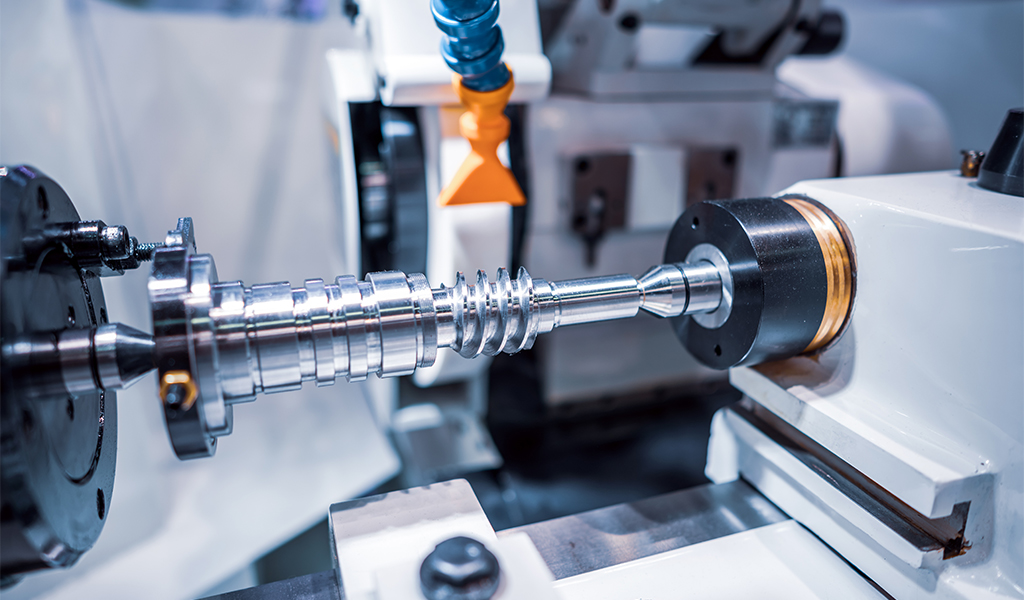
Decoding the infrastructure, supply-chain density, and engineering ecosystem of Shenzhen's industrial networks.
Within Chinese manufacturing hubs like Shenzhen, Raw Material Sourcing, Multi-Axis Tooling, Surface Treatment, and Shipping Logistics operate within highly integrated corridors. This close proximity reduces intermediate transit times from days to hours, allowing for rapid iterations and minimizing factory downtime.
Rather than using older, manual machining methods, Chinese factories use advanced high-speed CNC centers that operate 24/7. This high level of utilization distributes overhead costs across millions of parts. Programmers specialize in optimizing toolpaths to minimize cutting time and material waste.
We reduce cost by using specialized fixtures (such as multi-part tombstones and quick-change vacuum chucks). This reduces setup times and lowers labor costs. Our operations focus on high yield, keeping errors to a minimum so that cost savings are passed directly to our customers.

Shenzhen Xiang Xin Yu Technology Co., Ltd. is an established manufacturer specializing in high-precision CNC machining. With years of experience and deep technical expertise, we design and produce complex components for key global industries.
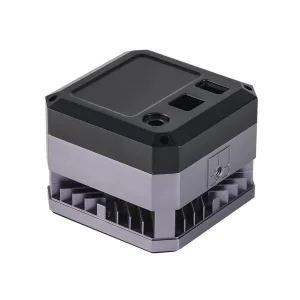
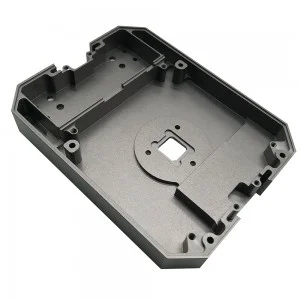
Equipped with multi-axis CNC machine tools, we manufacture highly precise components for automotive assemblies, micro-machined parts for medical devices, custom electronics housings, and aerospace structures. We focus on continuous technological optimization and quality control to ensure dependable manufacturing solutions.
We encourage our engineering teams to explore new toolpath strategies, modern tool geometries, and advanced post-processing technologies to continuously improve yield rates.
We maintain strict dimensional controls and quality checks across all stages of production, working toward zero-defect components.
We work closely with client engineering departments to refine designs for manufacturability (DFM), reducing overall lead times and development costs.
We build long-term relationships with material suppliers and global buyers through open, transparent pricing and project progress reporting.
Every machined component must meet the client's assembly tolerances. We inspect batches carefully to maintain quality and mechanical performance.
We respect our employees' safety and workspace quality, and focus closely on providing clear answers to our customers' design requests.
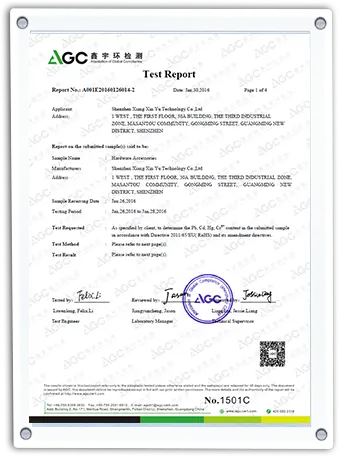
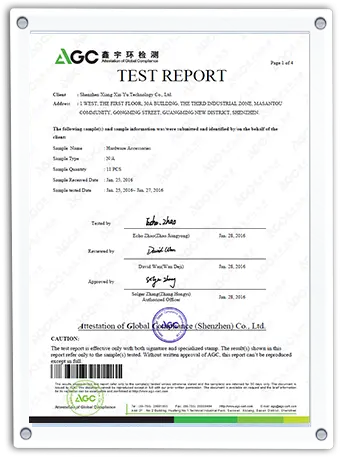
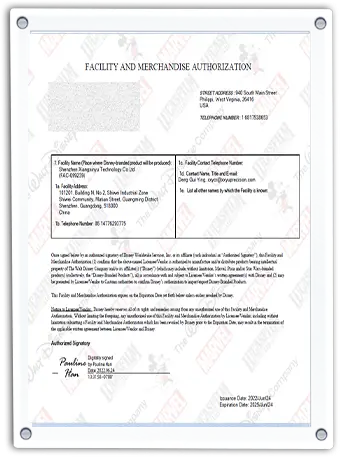
Operating under global certification regimes guarantees that machined components interface seamlessly with European, American, and Asian environmental regulations. In high-precision applications like electronics housings, semiconductor equipment, or medical sensors, raw material certificates and trace environmental analysis are critical requirements.
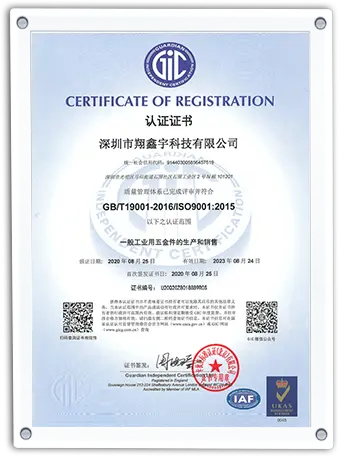
We verify that all aluminum blocks (including 6061-T6, 7075-T6, and 5052 series) match their mill run certifications. Our processes conform to the ISO 9001:2015 quality standards, and we test finish materials to verify they are RoHS compliant and free of heavy metals.
An engineering guide to designing, fabricating, and optimization of CNC aluminum parts.
Choosing the correct aluminum alloy affects both structural performance and machining costs. The table below highlights the key mechanical characteristics of common aluminum alloys used in CNC machining:
To reduce machining costs, consider these Design for Manufacturability (DFM) practices:
Clear answers to help engineering and purchasing teams optimize their manufacturing projects.
The total cost is mainly determined by machining time, material usage, setup complexity, and secondary surface finishing. Pocket depth, internal corner radii, and tight tolerances (less than ±0.02mm) also increase run times. Standardizing designs to fit common raw plate sizes and using standard tool geometries help reduce costs.
We verify dimensions using Coordinate Measuring Machines (CMM), optical comparators, thread gauges, and digital micrometers. Measurements are documented in Inspection Reports and shared with the client before shipping.
Yes. We offer both Type II protective anodizing and Type III hardcoat anodizing in clear, black, and custom colors, working with certified regional chemical partners. This ensures clean, corrosion-resistant surfaces that meet environmental compliance guidelines.
We work with international logistics providers to manage customs documentation, packing lists, and export duties. Air freight typically takes 5 to 9 business days, while ocean shipping is available for larger production runs to reduce transport costs.
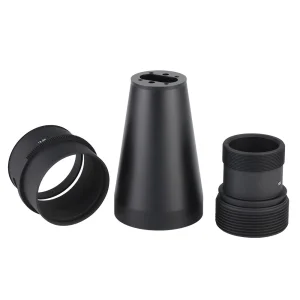
Engineered solutions for electronics, opto-mechanical assemblies, and sub-micron components.
 Xiang Xin Yu